Sign in. It’s quick, free and it’s up to you.
An account is an optional way to support the work we do. Find out more.
Sign in. It’s quick, free and it’s up to you.
An account is an optional way to support the work we do. Find out more.
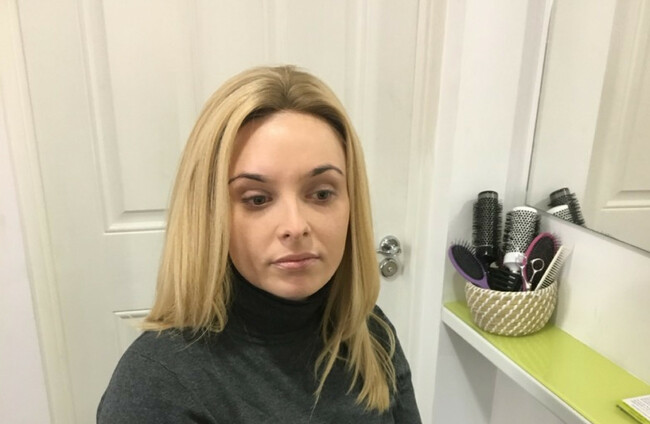
LAST UPDATE | 19 Aug
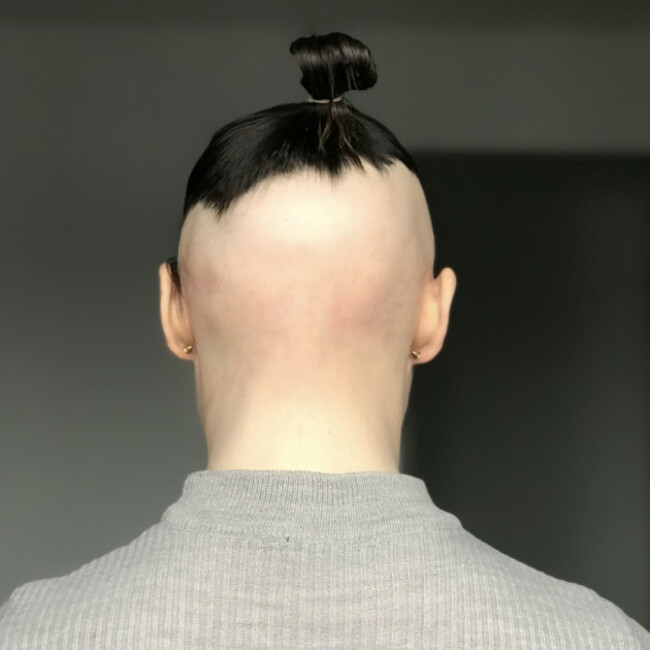
MY NAME IS Chloe, and I have Alopecia Areata – Ophiasis to be specific. My version, ophiasis, is a particularly insidious form of alopecia, in that it does not present as hair loss in small, round patches, like regular areata, but rather tends to create large, band-like patterns around the back and sides of your head.
It forms a band on the scalp (occipitotemporal scalp) and is an autoimmune disorder that mainly affects young people and is more common in children than young adults.
So there’s no ignoring this alopecia; it shows up fast and tells you it’s in charge.
Alopecia launched into my life in 2017. As someone living with it now for several years, I was overwhelmed watching the newly crowned Rose of Tralee this week, as she discussed her alopecia openly.
Westmeath Rose, Caoilfhinn Ní Choiligh was presented with her sash last night after winning the competition, but it was the night before when she captured the hearts of the crowd and viewers by using her slot and talent segment on stage to illustrate her favourite wigs.
Caoilfhinn did it in an attempt to raise awareness about alopecia, and it worked. It was a hugely brave thing to do, and watching her speak so well brought up so much emotion for me and a sense of recognition and acceptance of people like myself.
There has been a lot of stigma around alopecia over the years, and I know of many women in particular of our parents’ generation who would have worked hard for years to quietly live with wigs, but never saying anything.
The approach was to hide the condition; such was the embarrassment and shame. But it’s heartening now that with social media and people like Caoilfhinn being so publicly open, things are changing. That stigma is being erased.
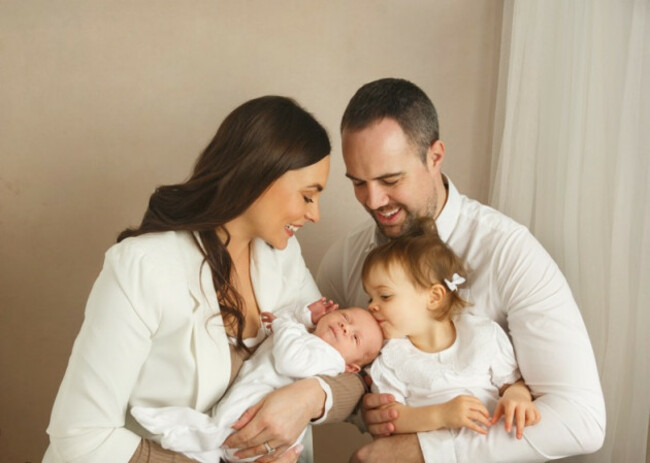
I’m 33 and am three years married to Declan. We have two kids, Kate, aged two and Robbie, aged seven months. I’ve always been active, and before February 2017, I never had any great health challenges or worries.
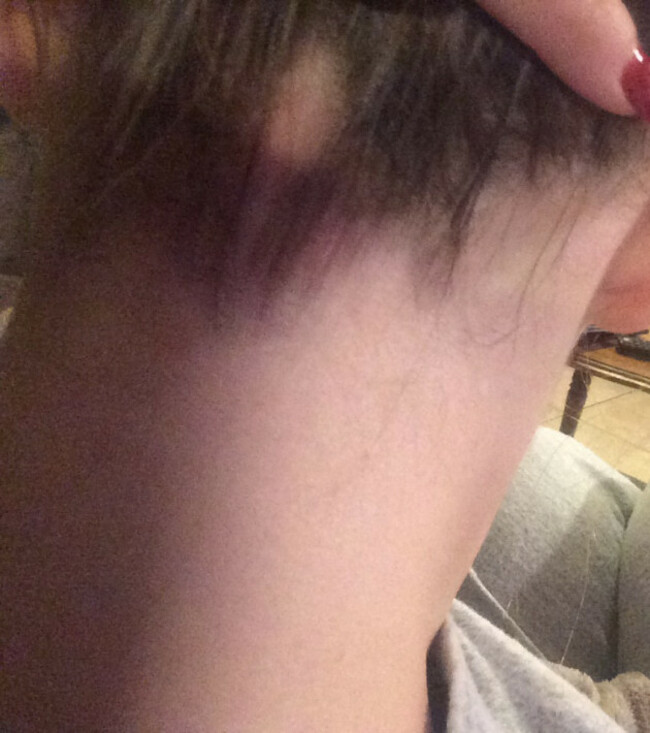
But that month, everything changed. I was getting my highlights done at the hairdresser’s when they noticed a small coin-sized bald patch on the back of my head. I was a bit concerned, but not overly worried at the time.
My hair then began to fall out in clumps, but I was always able to hide it. Looking back, I see now that I was in complete and utter denial at the time, convinced it was just some temporary glitch. Maybe stress-related, or diet…
Luckily for me, by September it had all grown back! So my theories at the time were validated, and feeling relieved, I got on with life.
My relief, though, was short-lived, as that November, my hair began to fall out again. And this time it was much worse. I could feel it this time; there was no going back.
That part was terrifying; the uncertainty that Alopecia brings is overwhelming. It’s not something we’re ever programmed for: that feeling that your body is working against itself, and there’s nothing you can do. It was a dark time, truly.
By Christmas, I had lost over 80% of my hair, and it was only getting worse. I was now trying on wigs. This was tough; I felt a sense of horror that it had come to this, but the idea of a wig was only marginally easier than the idea of living in the world with a bald head. As women, we are taught that our hair is everything; it’s part of our identity as little girls, combing, drying, curling, up-do, down, long, short. It’s a very tough thing to let go of.
The speed at which the hair loss progressed would mean most mornings I would wake up and look different to a couple of hours earlier. I slipped into a period of depression and insomnia as I was afraid to fall asleep at night, not knowing if I’d lose more hair or not.
After the shock phase, I allowed my emotions and feelings to sit, and when I was ready (thanks to my amazing support system of family and friends), I picked myself up and really focused on self-care, including meditation, mindfulness and yoga.
I bought my first wig on 16 January 2018. By that day, I had made my peace with it being something that had to be done.
“At least the modern wigs are nice, not like 30 years ago”, was what I told myself.
But buying a wig was probably the only part of the process that I calmly submitted to. When it came to finding answers to why and how this was happening, I handled things very differently.
The drive of trying to find answers became the only thing that would get me up in the mornings. Losing my identity was so unbearable. I was a young girl in my 20s who no longer recognised herself in the mirror.
I dove straight into masses of research and studies. Medical takes, not-so-medical takes, medication, injections, magic cures, herbs, Eastern and Western. You name it, I was researching it. “There’s got to be an answer here”, is what I was thinking.
And I’ve done it all. From creams and shampoos to clinical trial drugs and multiple types of scalp injections, I’ve explored every avenue I could think of. I’ve consulted specialists from different parts of the world and tried every suggestion along the way… even cabbage stalks.
Yes, you read that right: I rubbed cabbage stalks all over my bald head every day for seven weeks!
You name it, I’ve given it a go.
I can’t say for sure if any or none of those efforts made a difference, but during the Covid lockdowns in 2020, a small little tuft of hair began to grow. It was like a miracle. Against all the medical advice and ‘statistics’, my hair began to grow back. Not fully, but some hair.
I cannot tell you the sense of hope and relief that that act from my body brought. Something was working, and things would improve. It wasn’t a full regrowth, however, so I still live my life with wigs.
I still have a patch at the back that has never grown back since day one, and I have had the odd touch of Alopecia when life may throw stuff my way, but now I feel I know how to deal with it and am more accepting.
I set up my Instagram page @chloeshairaffair in May 2020, and it’s the best thing I could have ever done. I meet incredible people daily, and we can help to support each other. I wouldn’t have gotten through those dark days without my amazing support system, and some people don’t have that, so I like to think I’m available to be their support.
Society is wrong in what it has taught us — being different does not make you less beautiful; it makes you more beautiful in your own right because the world would be a very boring place if we were all the same.
And that’s the thing about these life-altering conditions like alopecia, these medical issues… sometimes, it’s just part of life and the lessons it brings; sometimes there are no answers. Well, not for now, anyway.
Currently, there is no cure for alopecia. There are many theories ranging from genetics to inflammation, stress hormones, you name it… But no breakthroughs as yet.
Maybe some genius will find an answer soon; maybe AI will fix it for us in the future, and we’ll look back in years to come and laugh at how we managed, but for now, it’s something we do have to live with. Or hopefully, live well with it, even thrive with it. And that acceptance is half the battle.
I don’t take my hair for granted at all now. I am so careful with it, and I know that alopecia is part of my life. Some days I don’t think about my hair at all. Other days it’s the first thing I think of. Living with alopecia has taught me more about confidence than anything else ever could — never settle. Just know some days are strong, some days are quiet, but both are okay.
And if alopecia is new to your life, don’t panic, seek supports, there is a happy life ahead.
Chloe Dinneen is a wife and mum living in Cork and raising awareness about alopecia. More at @ChloesHairAffair.
To embed this post, copy the code below on your site











have your say