Sign in. It’s quick, free and it’s up to you.
An account is an optional way to support the work we do. Find out more.
Sign in. It’s quick, free and it’s up to you.
An account is an optional way to support the work we do. Find out more.

LAST UPDATE | 7 May
LAST YEAR ALONE, the National Society for Prevention of Cruelty to Animals (NSPCA) investigated more than 3,500 cases of animal cruelty, nearly 10 every single day. But that’s only the tip of the iceberg.
This is not the picture of an animal-loving nation we pride ourselves on being, but sadly, it’s the current reality.
I have however been heartened by our research and by my own on-the-ground experience that shows a growing public concern for animal welfare and recognition that animals deserve protection, compassion and respect.
But to match that growing awareness, our laws must catch up.
We at the NSPCA believe we can make real progress. By focusing on the areas where animals suffer most, we can make significant headway towards an Ireland where those animals are protected from cruelty and harm.
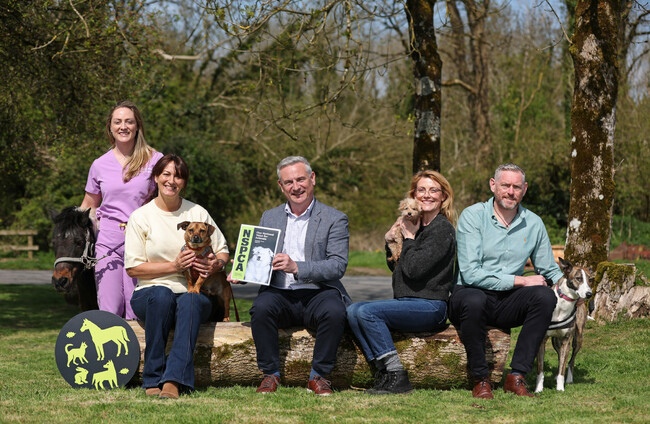
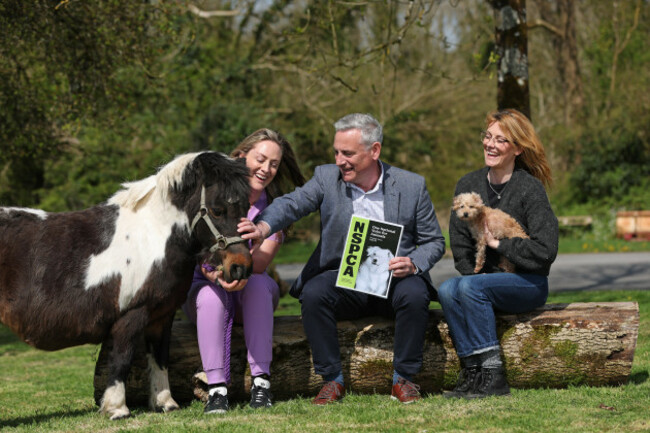
Our newly launched five-year strategy sets out how we achieve this: by focusing on protecting animals, preventing cruelty, championing welfare and strengthening our systems that support this work.
And we have set out the four policy priorities that will help us realise these goals in tangible terms.
In my view, one of the most pressing issues is the free-for-all we see in large-scale dog breeding in Ireland.
Right now, commercial dog breeding establishments can house up to 300 female breeding dogs, while the number of additional puppies and male dogs present is completely unregulated.
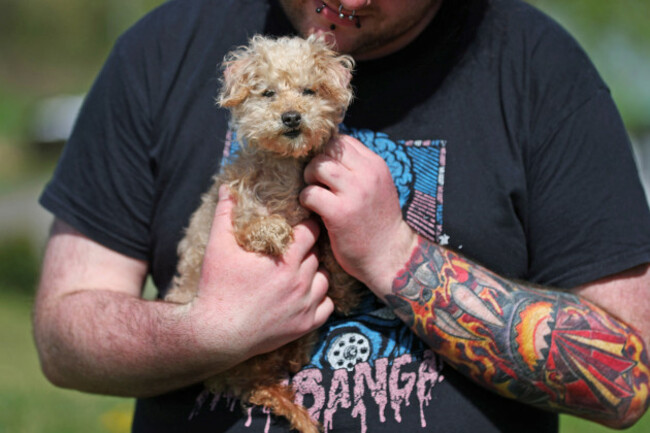
Too often, these animals are kept in cramped, unhygienic conditions, and the mothers are treated like production lines rather than living beings.
Every day, I see dogs like Layla, a six-year-old Staffie, come into our care severely emaciated and bearing the marks of neglect, likely after being used for breeding. She’s been given a second chance, but many dogs like her never will.
The NSPCA is calling for a full review of dog breeding legislation, including a cap on numbers per establishment and stronger inspection and enforcement.
Public support for this is clear. Our latest national survey found that almost 90% of people support stricter dog breeding regulations, while 79% would like to see more government resources being allocated to animal welfare.
With the responsibility of the Dog Breeding Establishments Act recently transferred to the Department of Agriculture, Food and the Marine, now presents a timely window of opportunity to introduce meaningful reforms.
If we are serious about dog welfare, we must also confront the issue of greyhound racing.
This is a deeply embedded part of Irish culture and tradition, but it comes at a cost.
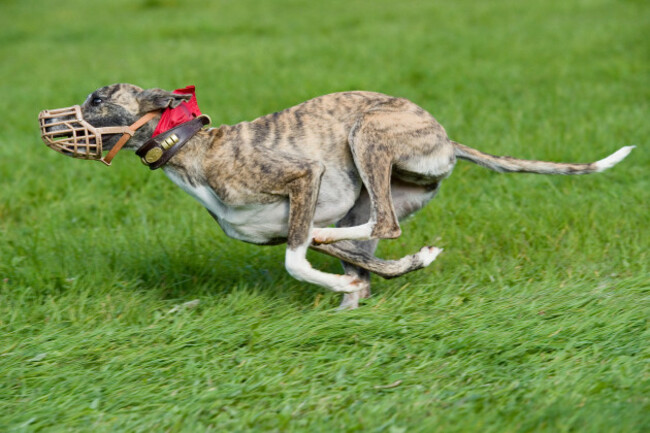
I know many people enjoy the competition and showmanship of this practice, but behind the curtains, welfare organisations deal with overbreeding, abandonment and poor living conditions for many of these animals.
In 2022, the remains of several greyhounds were discovered dumped in a bog in Kildare. Cases like this expose the darker reality behind an industry many still see as part of our culture.
I believe the time has come to phase out greyhound racing. Our research has found that over two-thirds (67%) of Irish people do too.
I recognise the concerns around employment and the future of these animals, which is why any transition must be carefully managed with rehoming supports and alternative opportunities for those working in the industry.
But we cannot continue to prioritise profit and entertainment over animal welfare.
When it comes to the exploitation of animals for profit, horses present another big concern. Every summer, we receive almost daily complaints about horse-drawn carriages. Horses that are in poor conditions, underage horses being used for work, and injured horses collapsing under their carriage.
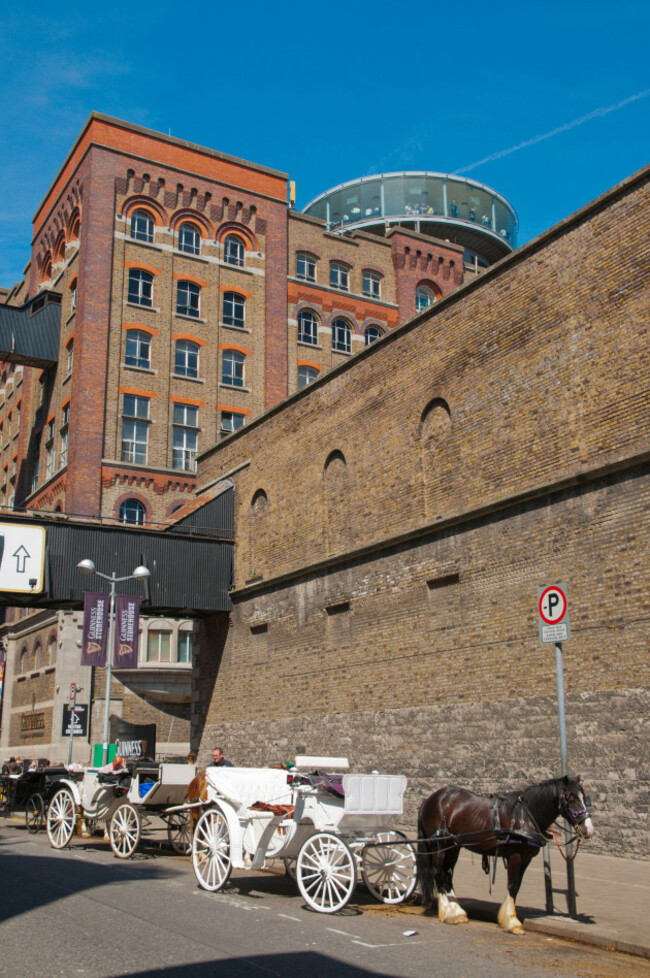
Many cities around the world, like London and Paris, have already banned horse-drawn carriages. In Ireland, however, the horse carriage industry is unregulated.
Worse still, in Dublin city, the Council is unable to impose a ban due to outdated legislation dating back to 1853.
As our urban areas and technologies advance, so must our mode of transport. And we already see this working well in other European cities where electric carriages have been introduced, showing us a way forward.
Some of the most gruesome outcomes I see in my line of work, however, are those of sulky racing on public roads.
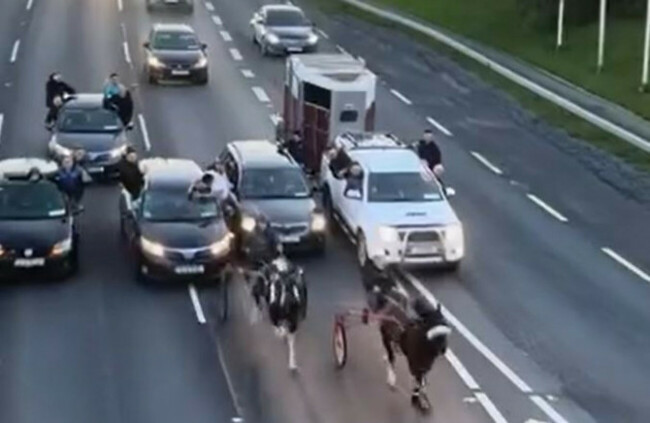
Just last month, we saw a tragic case of a horse pulling a sulky killed in Clonmel after it was involved in a crash with two cars. This isn’t just a serious threat to these animals but to public safety.
Public roads are not a safe place for horses, and we are calling for stronger oversight, including a ban on carriage horses in cities and a phasing out of sulky racing on public roads.
Finally, our growing compassion must reach wildlife too and with that, we must address fox hunting for sport.
While population control can be necessary, hunting foxes with dogs for sport causes prolonged suffering and has no place in modern society.
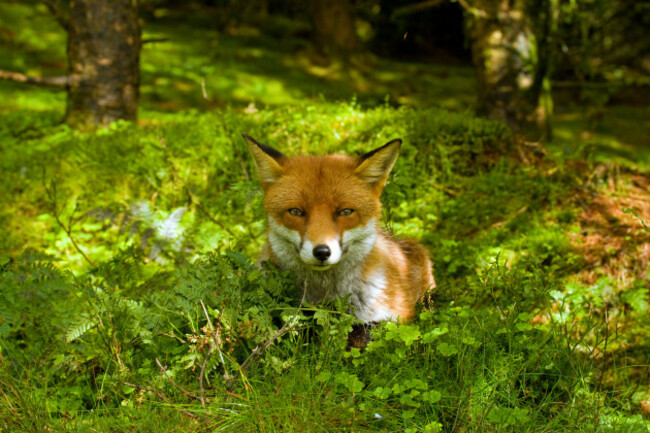
According to our opinion survey, the vast majority (82%) agree.
We are calling for legislation banning fox hunting for sport that clearly distinguishes it from necessary pest control and livestock protection, so as not to infringe on the farming community.
Ireland has changed enormously over the past decades. Our attitude towards animals has too.
Now our laws must reflect that.
If we fail to act, our claim to be a nation of animal lovers rings hollow.
Pat Watt is CEO of the National Society for Prevention of Cruelty to Animals, NSPCA.
To embed this post, copy the code below on your site

















have your say