Sign in. It’s quick, free and it’s up to you.
An account is an optional way to support the work we do. Find out more.
Sign in. It’s quick, free and it’s up to you.
An account is an optional way to support the work we do. Find out more.

LAST UPDATE | 15 Apr
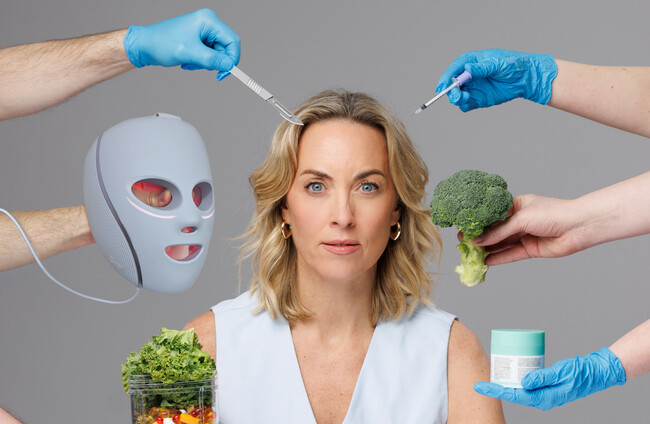
ANTI-AGEING, BIOHACKING, LOOKSMAXXING. Face lifts, Botox, fillers, rapamycin, Resveratrol, Senolytics… the list goes on. A whole ecosystem, offering us a shot at perfection, has exploded in the last decade, driven at speed by social media.
Don’t want to get old? No problem, here’s an exhaustive list of all the things you NEED to start doing today, before it’s too late… because the clock is ticking, and none of us wants to end up with grey hair and aching joints. Perish the thought.
And your face! If you aren’t injecting Botox by the age of 16, it’s game over. Kiss your youthful looks goodbye. No one will love you with wrinkles. And of course, skincare begins at age nine; we all know that.
Dementia! How to avoid it: Two tablespoons of this supplement a day should do the trick. Or how about this enzyme, that protein? You’re nothing without these… what have you been doing with your life?
Our algorithms act as trumpeteers for this new world, peddling a daily dose of content from ‘pioneers’ in these fields… the so-called experts, led out front by the biohacking bros. And the poster boy for the movement is Bryan Johnson.
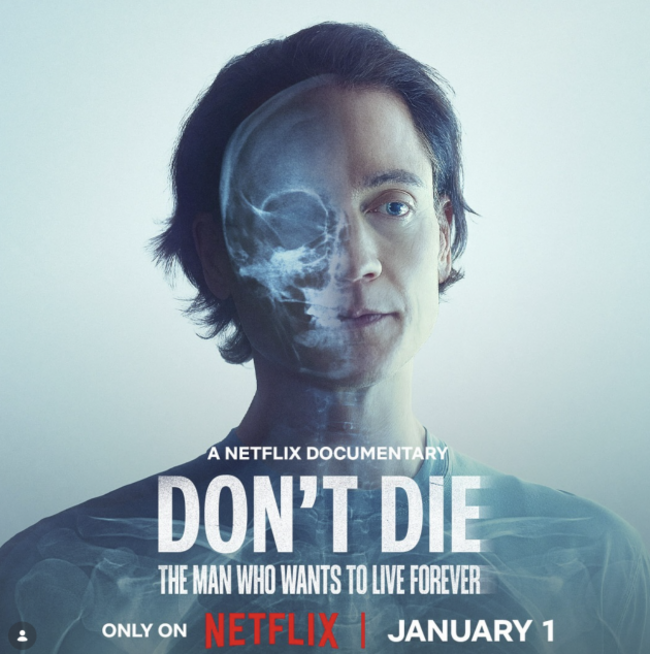
Biohacking has become a buzzword for everything from boosted brainpower, enhanced endurance, to increased youthfulness and everything in between. With its ties to the tech world, it is marketed as the ultimate optimisation of mind and body.
And this new world of mostly pseudoscience is aimed at women, men, young and old. There are, of course, exciting new studies showing the benefits of some of the advice on offer, but, in the main, as with all things driven by tech, if you’re locked in hard to the online longevity space, you’re not necessarily in safe hands.
This constant flood of unsubstantiated advice and fixation on eternal youth is not harmless; it brings real-world risks. This week, the manosphere-adjacent “looksmaxxing” trend veered into dangerous territory when a prominent figure, Clavicular, was hospitalised mid-livestream following what The Hollywood Reporter called a “suspected overdose”.

Real name Braden Peters, the 20-year-old is said to be in a stable condition after the episode, which alerted his fans watching the livestream at the time. There is no clarity as to what caused him to collapse, but he remains a key player in this worrying new trend.
Aimed directly at young men, looksmaxxing sells the benefits of extensive exercise, grooming, dietary and beauty routines, including supplements like testosterone, so that someday soon, you too can become the perfect man.
Borne out of the incel subculture, the extreme end of looksmaxxing includes a practice called ‘bone smashing’, the breaking of facial bones with a hammer to realign the jaw. Not recommended.
Clavicular recently cut short an interview on 60 Minutes Australia when asked about his perceived links to the manosphere and controversial figures like Andrew Tate.
In her latest two-part series, Kathryn Thomas scrutinises this booming global industry around longevity, youthfulness and the desire to wind back the clock.
In Young Forever: The Death of Ageing? Thomas investigates longevity clinics, cutting- edge aesthetic treatments and how entrepreneurs, tech billionaires and scientists are investing eyewatering sums of money in the pursuit of eternal youth.
How much of Biohacking is science? How much of it is quackery to dupe us out of hard-earned cash, and what is the evidence for what works for long term health and peak performance?
Infrared saunas are promoted for cellular regeneration and detoxification – the scientific evidence to back these claims is limited. Young blood transfusions were a Silicon Valley trend, promising anti-ageing benefits but lacking robust scientific evidence outside of animal studies.
Do-it-yourself (DIY) gene therapy involves the dubious practice of attempting to alter your own genetic material using self-administration kits outside of clinical or academic settings; that present mind-boggling safety issues.

The first episode of Young Forever focused on the ability of supplements and drugs to delay ageing. But while much was made of these new-age biohacks, there was little evidence of the science behind these claims.
Our understanding of the mechanisms that make us grow old is indeed improving at pace. The biological changes that occur with ageing increase the risk of chronic diseases like cardiovascular disease, cancer and dementia.
The question is, if drugs could make people biologically younger, could they also reduce the risk of age-related diseases such as cancer, heart disease, stroke and dementia, as well as prevent the onset of wrinkles? Let’s have a look at some of the headline advice:
One such drug that was highlighted in the documentary is rapamycin – probably the most promising of the longevity drugs.
Rapamycin is used as an immunosuppressant for transplant patients to reduce the risk of organ rejection. Animal studies in mice have found the drug can increase the rate of autophagy – the removal of dysfunctional proteins that accumulate in our bodies as we age and recycle them as fresh functional proteins.
Research published in Nature (2009) outlined how rapamycin extended the average lifespan of mice by a fifth (20%).
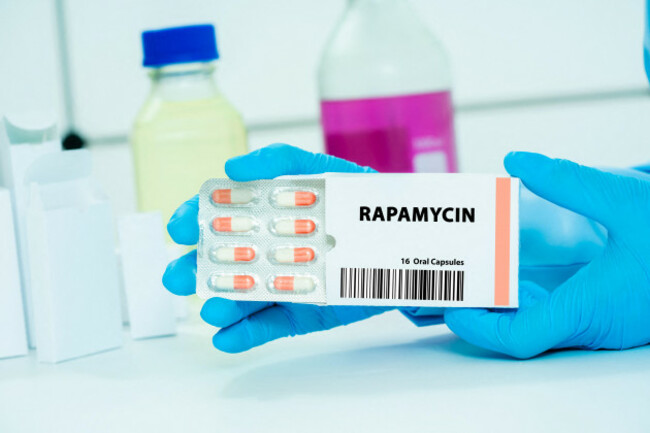
Rapamycin has also been found to extend the lifespan of worms, flies and marmosets. To date, there has been no randomised controlled trial in humans, so the evidence is interesting but nowhere near conclusive.
A paper published in Medical Research Archives (2024), the journal of the European Society of Medicine, attempted to rank existing approved drugs in terms of their potential ability to increase lifespan in people or animals.
Diabetes drugs known as SGLT-2 inhibitors were ranked highest, with evidence of wider health benefits in people and enhanced longevity (14%) in mice.
Other diabetes drugs, including metformin and acarbose, bisphosphonate drugs for bone loss, and more recently, weight loss treatments like semaglutide (Wegovy or Ozempic) are considered to have the potential to improve longevity.
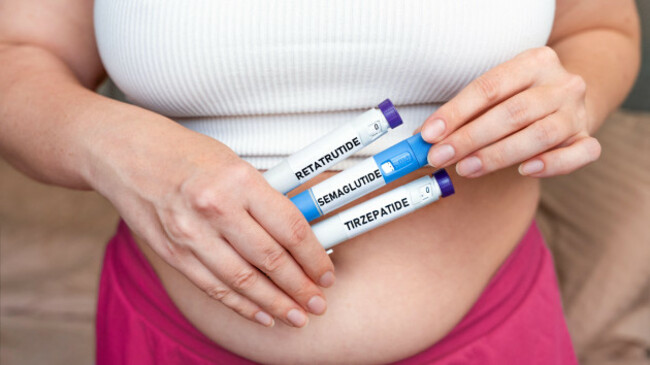
The fact that these drugs are already in use, with comprehensive knowledge of effective dosages and safety profiles, makes trials to test their ability to delay ageing more practical.
Other drug treatments have the potential to clear up ageing or ‘senescent’ cells that can no longer divide effectively and potentially cause the wider signs of ageing in the body. Studies in mice, published in Nature Medicine (2018) found that the combination of a chemotherapy drug dasatinib and quercetin (a flavanol found in fruit and vegetables), cleared senescent cells from ageing mice and allowed them to be both fitter and live longer in good health.
These ‘senolytic’ drugs are being intensively researched, and there is a race to bring these products to the market.
Recent studies are trying to see if a mix of drugs could produce even greater benefits. In theory, this could happen because rapamycin can worsen blood sugar in both humans and mice, so combining it with a diabetes drug could dampen this effect. A study published in Ageing Cell (2022) produced some pretty impressive findings – with the combination producing a 40% increased lifespan in male mice and 30% enhanced longevity in female mice.
The Longevity Escape Velocity (LEV) Foundation hosted the Longevity Summit in Dublin in August, which featured in Thomas’s documentary. The LEV Foundation are researching different combinations of potential longevity treatments – including rapamycin, a senolytic, a therapy to strengthen the protective caps or telomeres on DNA, and a bone marrow transplant.
Over 1,000 mice are being tested in ten groups, and results are awaited. Early results suggest that mice receiving all four treatments are living the longest.
So, where does all that leave us? Drugs have the potential to enhance ageing, but as of yet, the evidence that they enhance longevity in humans is just an exciting pipe dream.
The reality is that, for now, the best biohacks are the most boring – food, lowered stress, movement, sleep and connection.
If there is one component of food that is central to healthy ageing, it has to be fibre. A study of nearly 11,000 adults over almost a decade found that eating 20 – 25g of fibre per day was associated with a 20% lower risk of dying from any cause. The risk of dying from cardiovascular disease was 40% lower.

When stress becomes long-term, the immune system becomes less sensitive to cortisol. This decreased sensitivity leads to increased inflammation that can get out of control. Long-term inflammation is a hallmark for chronic disease, including heart disease, diabetes, cancer and dementia, so lowering stress in your life can lower disease risk and enhance longevity.
The fitter you feel physically, the better you can function intellectually. Small regular routines like a morning swim, walking or taking public transport to work can be all it takes to improve your levels of movement and build fitness. It also helps you socialise and feel part of the wider world.

Increasingly, in a society that prizes productivity, sleep is considered expendable, something to trade for working late, doom scrolling in bed, or binge watching just one more episode of your favourite show. But good sleep is not a luxury; it should be given the same level of attention as diet or movement.
The benefit from being involved with other people and avoiding isolation is that it keeps the brain healthy and, for many people, prevents depression and feelings of loneliness – emotions that influence how we feel and think but also how we make decisions.
These five biohacks are a bit boring, but they work. Tech billionaires and scientists can keep their eye-wateringly expensive and dubious biohacks for boosted brainpower and the quest for eternal youth.
I prefer Helen Mirren’s celebration of ageing. “Forty is good, 50 is great, 60 is fab, and 70 is f***king awesome.” With that in mind, the voice of Irish stylist and designer, Cathy O’Connor, at the end of Kathryn Thomas’ first episode, was a refreshing and welcome one. O’Connor has created Women Unbranded, to promote and encourage the healthy and positive ageing of women over 40. The tagline is, “we’re not anti-ageing, we’re pro-living fully”.
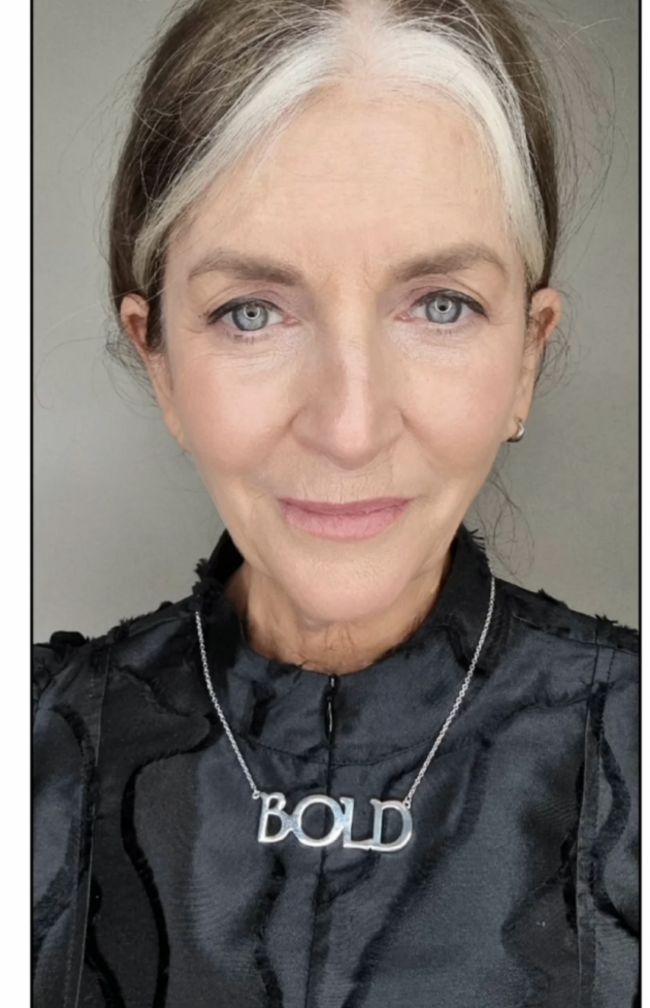
I would prefer to see the work of O’Connor, Mirren and accomplished people like them platformed and celebrated, rather than the pressured, self-doubting narratives coming from the subconscious of the internet algorithms.
The reality is that routine around whole food, sleep, movement, stress management and social engagement will all massively increase the ability to thrive, physically and mentally, at any age.
For the most part, solid evidence for the ability of biohacks to enhance longevity does not exist. Maybe in time, biohacking will lead to a magical youth pill, but we won’t hold our breath. And if that day comes, will we be truly happier? Does young really mean fulfilled?
How about a healthier focus instead on the quality of the life we are now in, rather than fretting about the future?
Dr Catherine Conlon is a public health doctor in Cork.
To embed this post, copy the code below on your site
















have your say