Sign in. It’s quick, free and it’s up to you.
An account is an optional way to support the work we do. Find out more.
Sign in. It’s quick, free and it’s up to you.
An account is an optional way to support the work we do. Find out more.
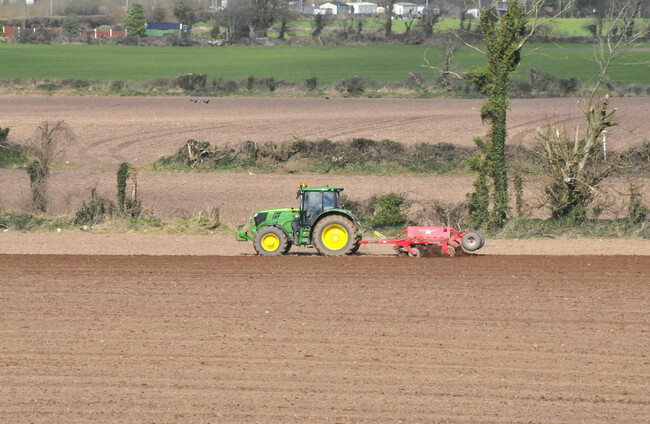

MODERN AGRICULTURE IN Ireland has been built on a model of growth – growth in inputs, in outputs and growth in profits. But as those profits increase further up the supply chain, the primary producer, i.e. the farmer, is suffering at the bottom.
It has also been built on control, and to a certain extent fear. Fear of change has paralysed farmers across the country: fear of trying something different, fear of what the neighbours will think, fear of the grass not growing, fear of weeds, fear of the department official or the Bord Bia inspection.
This system leaves these farmers incredibly vulnerable to the ever-increasing shocks facing their farm businesses – shocks from climate change, from market volatility and from rising input costs – because they are unwilling, or unable, to change their own system of farming. They are trapped on a hamster wheel that keeps spinning faster.
This system is pretty damaging to our natural environment too, and the reports on the declining state of Ireland’s habitats, biodiversity, water, air and soil quality are well documented. It’s a system of farming that is no longer suited to the demands of modern society, and was never going to be good for a natural world under pressure.
So we’re left with a model of farming that above all else serves the economic growth of an agri-business sector, and a cohort of farmers who lack the flexibility or the capacity for change, essentially trapped in a system that devalues what they produce.
A quick flick through the pages of the farming papers in this country will also give you a sense of what is important in the world of Irish agriculture, and it ain’t food! Editorials laced with undertones of anti-environmental sentiments, alongside advertisements from agrochemical companies and animal health inputs.
Agriculture is about 12,000 years old, yet the powers-that-be have determined that a 50- or 60-year-old model of farming (since the not-so-Green Revolution) is the one we must follow. Farming is no longer the employer it was, and relative farm incomes have declined as more links have been added to the supply chain.
Get big or get out has certainly been the prevailing direction for the most profitable of farming sectors, the dairy sector; but this sector is perhaps even more vulnerable than most to the volatility that exists. The model that worked 10 or 15 years ago is no longer reliable for today’s farmer (rye grass struggles in the changing climate and fertiliser is no longer cheap), despite all the proclamations from the government that the sector is booming and a Nitrates’ derogation is essential to its future.
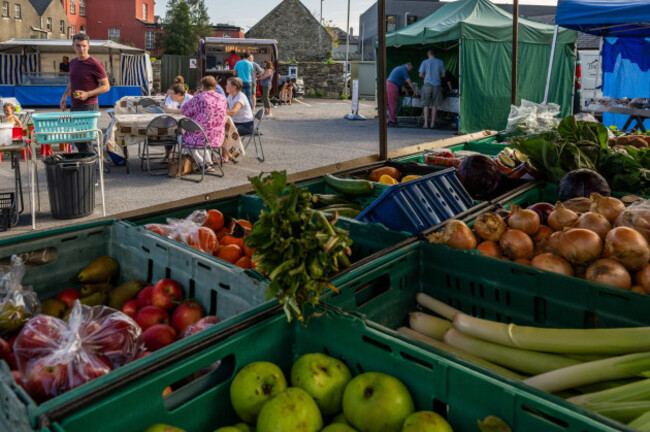
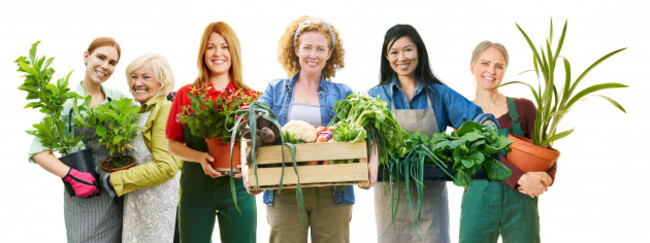
A new revolution is needed, and thankfully it is starting to take root in farms all across Ireland. Farmers who have taken a different path – be that going organic, adopting regenerative practices, or taking out the middleman and selling their food directly to consumers. These farmers have stepped away from the fragile prescriptive-based system of commodity production; they have taken the goggles off, and have seen a different way forward.
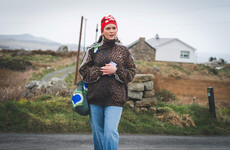
I have met so many Irish farmers who are doing just that, and what is even more exciting is that more and more of them are women – and this is liberating!
This year is being recognised by the UN as the International Year of the Woman Farmer, and boy, what a bang for your buck you can get! I took part in a panel discussion at last weekend’s Burren Winterage Festival about the role women play in farming, and it was such a positive and uplifting event for all that attended. I’ve been to my fair share of male-dominated farm organisation meetings, with plenty of table thumping and finger pointing, and demands for more support; all that’s missing is a few pitchforks!
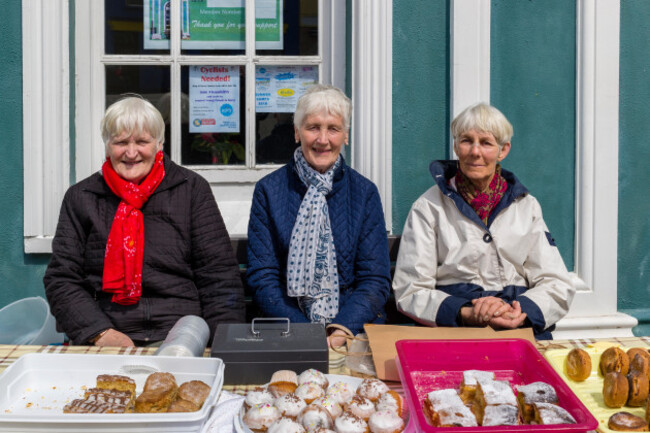
Yet at this event, there was no helplessness or self-victimisation; it was a discussion led by women on how they had addressed the challenges they saw in front of them on their own farms and in their farming lives. And they are enjoying farming, making a living and loving life, and are supported by their male spouses and partners along the way.
Mary Robinson puts it well when she says that “climate change is a man-made problem that requires a feminist solution”. This is no anti-man declaration; it’s about recognising the strengths women can bring to addressing the challenges.
We need problem solvers and risk-takers all in one. People with care and compassion, and who can think holistically about the challenges in front of them. For me, most women tick these boxes.
Up and down the country, women young and old, from Hannah Quinn Mulligan to Darina Allen, are challenging the system, and perhaps most importantly, are not afraid to call it out. These are no shrinking violets, and they empower all farmers across this country to question “Why?”
It’s no secret that women in Irish agriculture have long been invisible – unrecognised by the State (contributory pensions were only permitted from 2014), and in most cases overlooked by their own parents as successors to the family farm.
That’s why it’s uplifting to see so many strong women stepping up to the mark in true suffrage style, reclaiming the right to shape the future of agriculture, bringing much-needed compassion to the debate, and innovative critical thinking to the table. More women, please!
Dr Pippa Hackett is a former Green Party Minister of State in the Department of Agriculture, Food and the Marine. She has a PhD and runs a farming and bloodstock enterprise with her husband in Co Offaly.
To embed this post, copy the code below on your site














have your say