Sign in. It’s quick, free and it’s up to you.
An account is an optional way to support the work we do. Find out more.
Sign in. It’s quick, free and it’s up to you.
An account is an optional way to support the work we do. Find out more.
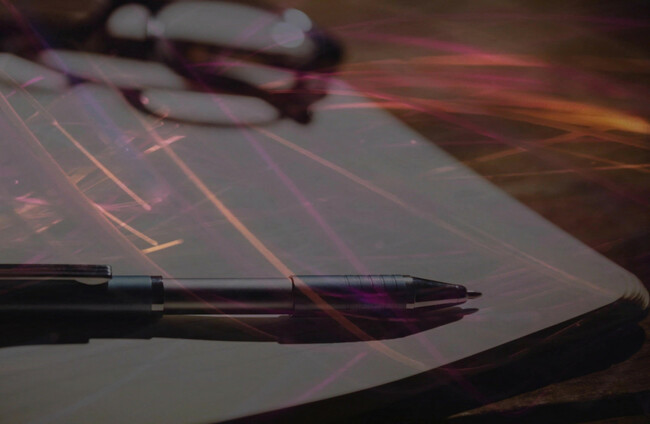

SMART GLASSES HAVE recently been dominating headlines, evoking a mix of curiosity, trepidation, excitement and horror. Politicians and the public have growing concerns about the privacy and safety violations experienced by those who are covertly filmed by the devices.
Grassroots campaigns are being set up with the aim of having smart glasses banned entirely (or at least have measures put in place to offer them only to people who rely on them for accessibility). One newly forged group, entitled Stop Smart Glasses, has launched a coordinated initiative to demand that retailers and opticians stop selling smart glasses, as the risk posed to the public by the lack of regulation is so significant.
Across the board, many are growing uneasy with the potential that the technology has to facilitate the abuse and harassment of oblivious, vulnerable and non-consenting individuals.
For those who are unaware, smart glasses are near identical to standard eyeglasses –largely due to partnerships that companies like Meta have established with well-known retailers like Ray-Ban and Oakley.
Meta, of course, isn’t the only company involved in the space. Competitors include Lucyd and Viture, while companies like Samsung and Apple are also eyeing up opportunities in the space.
These glasses include a range of features including speakers that can play music or give wearers AI-generated advice. The latest version of Meta’s glasses also offer augmented reality (AR), which overlays maps, text messages and other notifications onto the lens of the glasses.
Essentially, we’re looking down the barrel of a future where every waking moment will become screen time.
In some regards, smart glasses have fantastic potential. From an accessibility perspective, they’re a game changer for people with visual and hearing impairments. I’ve been impressed with how their AI assistants can accurately describe objects and people in front of the glasses. And that’s coming from a staunch AI sceptic.
I’ve tested the glasses and had them read out ingredients in food, describe the appearance of my coworkers and read out signage. Imagine what this could eventually mean for a blind individual with food allergies (though I wouldn’t put that much trust in tech at present).
The AR features also offer real-time subtitles for social situations, which has obvious benefits for people who are hard of hearing. It’s unfortunate that the trade-off for affordable accessibility tech is the price we pay when it comes to privacy.
Even when the footage isn’t published, it’s still being accessed by third-party employees, such as the Kenyan workers who were made redundant after whistleblowing the fact that they were analysing and labelling footage of people using the toilet and undressing.
On the back of all of this, content from the perspective of smart glasses has boomed on social media.
Much of it is filmed with the intent of humiliation, mocking and harassment. It’s apparent that this is mostly targeted towards women and girls. Wearers are recreating pick-up artist and ragebait content in order to elicit reactions that go viral.
Even in places that are supposed to offer privacy and safety, such as classrooms, tech is being used to bypass the controversial pouches that were introduced to prevent smartphone usage at school.
As much as we’d like to see Ireland avoid this trend, I fear it’s only a matter of time before we see footage of teachers and students appearing online. This is because new technologies like ‘spy pens’ have removed the financial barriers to entry. Costing roughly €20 – €50, these inexpensive and more discreet gadgets are making their way into the hands of people deterred by the pricing of Meta Glasses (€200 – €550).
Ahead of a segment on Ireland AM, I purchased one of these pens online to test it out and see how inconspicuously I could film friends and family (with their full consent). The website I purchased it from claimed that 74,000 people had also bought this product. This was just one of the many websites that sell these unbranded pens online.
Perhaps manufacturers are afraid to associate themselves with the devices, but it means there’s an alarming lack of accountability for the harm spy pens cause. There are also laws in many jurisdictions that prevent the use of hidden cameras, including regulations like GDPR and the Data Protection Act, so there would be ramifications, only for these cameras haven’t gained adequate attention from regulators.
When my pen arrived, I was horrified by its similarities to a standard pen. It was difficult to differentiate without close inspection. I’m reluctant to even share this, for fear of bringing it to the attention of people who might use it nefariously, however, it’s crucial that people can identify these technologies wherever possible – and very few people even know that these pens exist.
There are countless, unfathomably horrific ways in which these devices can be abused. Already, many people hold concerns about hidden cameras in public bathrooms or hotel rooms. These kinds of spy cameras, which are not linked to Wi-Fi networks, make it even harder to detect recording devices. We’ve already seen them used for appalling crimes, such as a case in the UK where a teacher was jailed after taking up-skirt photographs of students with spy pens.
Beyond sexual harassment, child exploitation and anti-social behaviour, these cameras pose a huge risk to national security. It’s really in nobody’s interest for these devices to exist. However, a number of people profit and benefit from the ways they can be used by pranksters, those racking up social media views and those hoping to facilitate even more sinister use cases.
Last week, the Guardian spoke to an individual who makes a living altering Meta Glasses to disable the LED light that lets people know they’re being filmed. He told the publication: “If you’re really worried about your privacy, don’t go outside.”
Some will argue that these technologies are no different from CCTV. It’s critical that we push back on this idea and resist the normalisation of covert surveillance technologies, which herald the end of privacy as we know it. CCTV, while often questionable, doesn’t exist solely to stalk people or farm likes and outrage on social media.
If regulators and the public don’t push back now, a future of paranoia, distrust and danger looms over us all.
Kelly Earley is a writer and podcaster from Coolock, who has a deep interest in culture, technology, community and social justice. She writes for The Journal every week.
To embed this post, copy the code below on your site













have your say