Sign in. It’s quick, free and it’s up to you.
An account is an optional way to support the work we do. Find out more.
Sign in. It’s quick, free and it’s up to you.
An account is an optional way to support the work we do. Find out more.
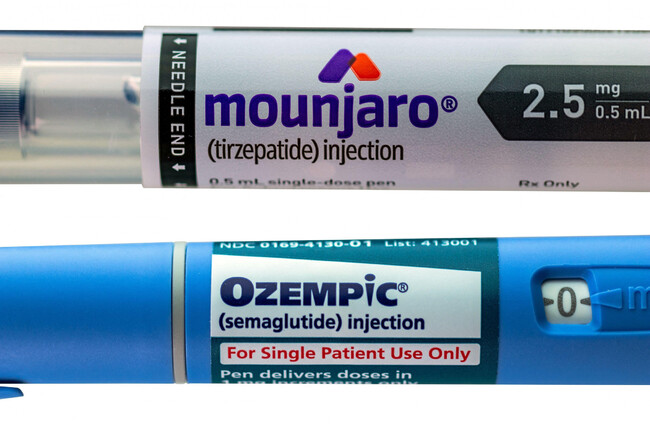

THERE HAS BEEN a lot written about GLP-1 medications and weight loss. I’m not going to get into whether somebody should or shouldn’t be prescribed one – that’s a decision for the patient and the doctor managing their weight and general health.
But there is one piece of advice I would give to anyone starting one of these medications: think about your muscles at the beginning, not after you’ve lost the weight.
As an orthopaedic surgeon, I’m interested not just in what somebody weighs, but in how well they can move. Are they strong? Can they get out of a chair easily? Can they manage the stairs? Can they walk a reasonable distance without pain?
Losing excess weight can be enormously beneficial, particularly for somebody with arthritis in their knees or hips. But the number on the scales isn’t the only measure of whether that weight loss has been good for your health.
If you have arthritis in your knee or hip and are carrying excess weight, losing weight reduces the load going through that joint.
For some people, that can make quite a difference.
Joint pain can create a vicious circle. Your knee hurts, so you walk less. You become less fit and lose strength. Managing your weight becomes more difficult, and gradually you find yourself doing less and less.
If weight loss means somebody’s knee hurts less, and they can start walking and exercising again, that is a very positive outcome.
There is good evidence that GLP-1-supported weight loss can improve symptoms in people with obesity and knee osteoarthritis. From an orthopaedic perspective, that is encouraging.
But there is another part of the equation that we need to consider: if somebody loses a substantial amount of weight, what are they losing along with the fat?
There has been a lot of discussion about muscle loss with GLP-1s. It’s an important issue, but it needs some context.
When people lose a significant amount of weight, they don’t lose fat alone. Some lean mass is usually lost too, and that happens with weight loss generally – it isn’t unique to GLP-1 medications.
Lean mass is often described as muscle, but the two aren’t quite the same. Lean mass is essentially everything in the body that isn’t fat – including muscle, organs, connective tissue and body water. So when a study reports a reduction in lean mass, it doesn’t mean that all of that loss is muscle.
I wouldn’t tell a patient that taking a GLP-1 is going to make their muscles waste away. I would tell them that if they are going to lose a substantial amount of weight, maintaining muscle and, importantly, strength should be part of the plan from the outset.
That matters more as we get older. Muscle gets us out of a chair, up the stairs and helps stabilise our joints and maintain balance. It is also an important part of staying independent.
I regularly see people with arthritis who have become less active over several years because movement hurts. They may already have lost strength around the affected joint.
If that person then loses a large amount of weight but remains inactive and loses further strength in the process, that’s something I would be concerned about.
Patients understandably focus on kilograms lost. I tend to look at it a little differently. If somebody tells me they have lost 15 or 20kg, I also want to know what has happened to them physically.
Is the knee less painful? Are they walking more? Can they get out of a chair more easily? Are stairs easier? Have they become more active? Are they stronger?
If somebody has lost 20kg, their knee hurts less, they are walking every day, and they are physically stronger, that’s an excellent outcome.
If they have lost the same amount but are weaker, eating very little and doing no exercise, I would be less enthusiastic about the overall result.
Weight loss is important. But the aim shouldn’t be weight loss at any cost.
There has also been a lot of discussion about DEXA scans and whether people taking GLP-1s should use them to monitor muscle.
DEXA is a useful test. It is primarily used to assess bone density but can also provide information about body composition.
That doesn’t mean everybody taking a GLP-1 needs regular scans.
There will be people for whom assessing bone health or body composition is appropriate, particularly where there are other risk factors. That’s an individual clinical decision.
For most people, I would start with something much simpler: how are you functioning?
A scan can give us useful numbers, but it doesn’t tell us everything about how somebody is moving or how strong they are.
While terms like osteoporosis and osteopenia (milder decreases in bone density) have become increasingly familiar, sarcopenia, the age-related loss of muscle mass and function, remains much less talked about.
Bone health is now widely recognised, with hospitals utilising DEXA scans, advanced nurse practitioners, and fracture liaison services (FLS) to coordinate assessments and treatments. However, muscle health deserves equal attention. Sarcopenia is a natural phenomenon that typically begins around our mid-40s.
For individuals taking GLP-1 receptor agonists, understanding sarcopenia is especially vital. While natural muscle ageing occurs gradually over time, rapid weight loss from these medications can lead to significant lean mass reduction if preventative steps aren’t taken.
Fortunately, sarcopenia can be effectively mitigated through two primary strategies: Nuanced resistance training to build and preserve muscle strength.
Adequate dietary protein and balanced macronutrients to support tissue maintenance.
Recognising and proactively managing natural muscle ageing is essential for anyone navigating midlife health—and even more critical for those undergoing substantial weight loss on GLP-1 treatments.
If somebody taking a GLP-1 asks me what they can do to protect their muscles, resistance exercise would be high on my list.
Walking is excellent exercise and has many benefits. If losing weight allows somebody who previously struggled because of knee or hip pain to start walking regularly again, that’s a major improvement.
But walking and strength work aren’t quite the same thing.
Resistance exercise doesn’t have to mean lifting very heavy weights in a gym. It might involve weights, resistance bands, gym machines or exercises using your own body weight.
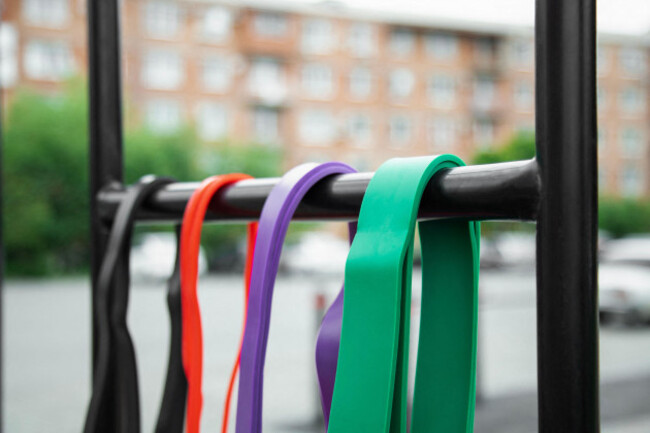
For somebody older or with significant arthritis, getting advice from a physiotherapist may be sensible. I would much rather somebody started at an appropriate level and exercised consistently than attempted an intensive programme, aggravated their joint and gave up after two weeks.
Nutrition matters as well.
These medications can suppress appetite very effectively. If somebody is suddenly eating considerably less, they need to make sure what they are eating is nutritionally adequate.
Protein is important for maintaining muscle, but I wouldn’t reduce the whole discussion to protein shakes. You need a good-quality diet, and you also need to use the muscles. The two go together.
I don’t see concerns around muscle as an argument against GLP-1 medications. I see them as a reason to think about what successful weight loss actually looks like.
For somebody with an arthritic knee, losing weight may mean it hurts less to walk. That gives us an opportunity. Start walking more. Work on strength. Build the muscles around the hip and knee. Improve fitness while movement is becoming easier.
If somebody can lose excess weight and at the same time become stronger and more mobile, that’s a much more meaningful health gain than simply reaching a particular number on the scales.
So think about muscle from the beginning.
Keep moving. Include some form of resistance exercise that is appropriate for you. Eat properly. And if you’re older, already weak or have significant joint problems, get advice about how to exercise safely.
Because ultimately, particularly as we get older, the question isn’t simply what we weigh.
It’s whether our bodies are strong enough to keep doing the things we want them to do.
Padhraig O’Loughlin is Consultant Orthopaedic Surgeon at the Mater Private Network in Cork.
To embed this post, copy the code below on your site
















have your say