Sign in. It’s quick, free and it’s up to you.
An account is an optional way to support the work we do. Find out more.
Sign in. It’s quick, free and it’s up to you.
An account is an optional way to support the work we do. Find out more.

RECENT RESEARCH AND medical developments have deepened our knowledge and understanding of the gut-brain axis and the microbiome.
This has resulted in healthcare professionals becoming increasingly aware that a healthy gut can potentially play an important role in managing the development and symptoms of Parkinson’s disease.
Approximately 18,000 people in Ireland have Parkinson’s disease, which is a progressive neurological disorder caused by the loss of dopamine. This neurotransmitter plays a role in many of our body’s functions, including memory, movement, motivation, mood and the capacity to focus.
As we age, we all lose dopamine, but people who develop Parkinson’s lose the chemical at a faster rate.
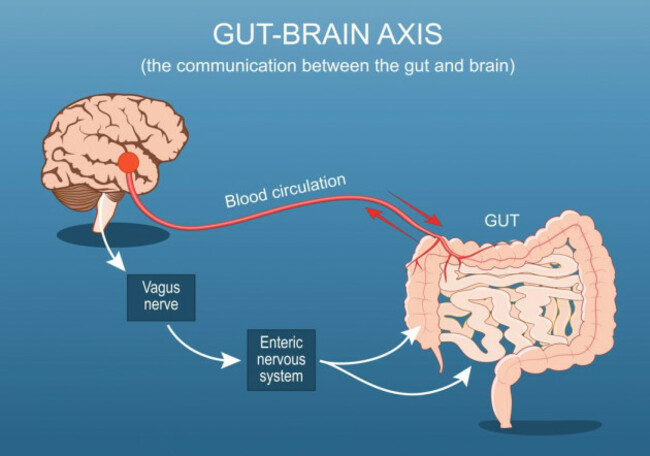
The gut-brain axis is the term used for the two-way communication system between a person’s gut and their brain. Recent and ongoing research has highlighted its importance for digestive health, the immune system, emotional balance and cognitive function.
Though it is too soon to be clinically definitive, studies suggest that having a healthy, balanced gut microbiome – the ecosystem of microbes that live in our intestines – can mitigate some of the symptoms of Parkinson’s disease and could affect its initial development.
No two people have an identical microbiome, but there is evidence that the microbiomes of people with Parkinson’s share similarities. Research conducted with animals has shown that an adjusted microbiome could be a contributory factor with Parkinson’s, and this has led to further research as to whether altering the microbiome can help with symptoms of the disease.
Typically, people associate Parkinson’s disease with motor symptoms such as tremors, slowness of movement or stiffness, and it is classified as a Movement Disorder; however, there are more than 40 symptoms associated with the disease, and the range of these includes issues with the bladder and bowel, blood pressure, sleep issues, eye problems, anxiety, depression, hallucinations, impulsive-compulsive behaviours and cognitive issues.
Indeed, physicians have become aware that symptoms within the gastrointestinal tract, such as constipation or diarrhoea, can precede motor symptoms by several years, which has led to studies of the gut microbiome in relation to Parkinson’s disease.
Existing research suggests that disturbances in the gut-brain axis could contribute to the development and progression of Parkinson’s disease and other neurological conditions. To date, research has shown that the microbiome of people with Parkinson’s is different to that of other people. Research is continuing to reach an understanding as to whether those differences contribute to the development and symptoms of the disease.
Equally, it is known that probiotics can alter the microbiome in people with Parkinson’s, and they are also the subject of research to determine their full potential as treatment options to improve the quality of life of people with the disease in tandem with medical treatment. Recent and ongoing research has found that the anti-inflammatory effect of suitable probiotics could underpin improvements in motor and non-motor symptoms, particularly in fatigue, in patients with Parkinson’s disease and constipation.
Even as the research continues, it now seems clear that certain non-medical approaches can improve the quality of life for people with Parkinson’s by mitigating multiple symptoms of the disease.
Diet
A diet rich in fibre can support the growth of beneficial gut bacteria, which could in turn have an influence on the progression of Parkinson’s disease. Certain diets, such as the Mediterranean diet, are associated with improved cognitive function and reduced inflammation – offering clear benefits in managing some Parkinson’s symptoms.
Probiotics

Studies have suggested that specific strains of probiotics could improve motor and non-motor Parkinson’s symptoms, with evidence that they can reduce constipation – a common Parkinson’s symptom. A lot remains to be discovered in this regard, and further research is ongoing.
Lifestyle
For Parkinson’s patients, as for everyone else, regular exercise and reducing or eliminating stress are essential for wellbeing as well as for maintaining good gut health.

Regular physical exercise can increase the diversity of bacteria in the gut, while relaxation techniques such as meditation or mindfulness can reduce stress, which can otherwise disrupt the gut-brain axis.
Sleep
Broken sleep is common among those with Parkinson’s disease, and the impact of that can disturb the balance of microbiota in the gut as well as negatively affect overall health and well-being. Regular exercise and relaxation techniques can also help to improve the quality of sleep.

As we learn more and more about our gut-brain axis and the role it plays in our physical, mental and emotional make-up, we are becoming increasingly aware that disruptions to it are linked to neurological conditions. This is leading to therapeutic interventions addressing lifestyle and diet choices.
Gut health management is already on the agenda of physicians as part of the overall treatment of patients with Parkinson’s. It seems likely to become a more significant part of treatment plans if the findings of ongoing research live up to positive early indications.
Oonagh O’Hagan is a pharmacist and Managing Director of Meaghers Pharmacy Group. Meaghers Pharmacy Group became the first Irish stockist of UK probiotic Symprove in 2014.
To embed this post, copy the code below on your site














have your say