Sign in. It’s quick, free and it’s up to you.
An account is an optional way to support the work we do. Find out more.
Sign in. It’s quick, free and it’s up to you.
An account is an optional way to support the work we do. Find out more.

LAST UPDATE | 25 Oct 2024
There is mounting evidence for the effectiveness of psychedelic-assisted therapies in treating a range of disorders. Today, Trinity College Dublin Psychedelic Research Group in Dublin, in collaboration with Irish Doctors for Psychedelic-Assisted Therapy (IDPAT), hosts Ireland’s inaugural Psychedelic Science Conference inviting researchers, healthcare professionals and policymakers to learn more about research in this area. Here, Senior Registrar Dr Colm Harrington outlines what the latest cutting edge science says about the use of psychedelics for mental health disorders…
RESEARCH INTO PSYCHEDELIC-ASSISTED therapy has gained renewed attention within the field of psychiatry over the last decade. Substances such as psilocybin, MDMA and LSD are being studied for their potential to treat a variety of mental health disorders, including depression, post-traumatic stress disorder (PTSD), anxiety and addiction.
This renewed interest follows decades of regulatory restrictions that limited scientific inquiry into these compounds.
Psychedelics were initially explored in clinical settings in the mid-20th century, with early studies suggesting their efficacy in treating various psychiatric conditions. However, sociopolitical factors in the 1960s led to significant restrictions on research and use.
In recent years, there has been a resurgence of interest, driven by a growing recognition of the limitations of conventional treatments and an increasing demand for novel therapeutic approaches.
Psychedelics primarily exert their effects through interaction with serotonin receptors, particularly the 5-HT2A receptor. This interaction leads to altered perceptions, emotional responses and cognitive patterns.
Researchers hypothesise that these alterations may facilitate therapeutic outcomes by enhancing neuroplasticity, increasing emotional openness and allowing for the processing of difficult psychological material.
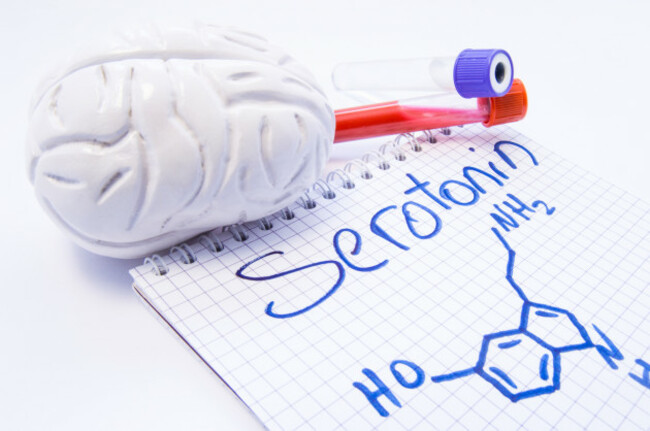
Neuroimaging studies have demonstrated that psychedelics can increase connectivity between different brain regions, which may help individuals break free from entrenched cognitive patterns associated with certain mental health disorders. This phenomenon is often described as a “reset” of neural pathways, which can be beneficial for therapeutic outcomes.
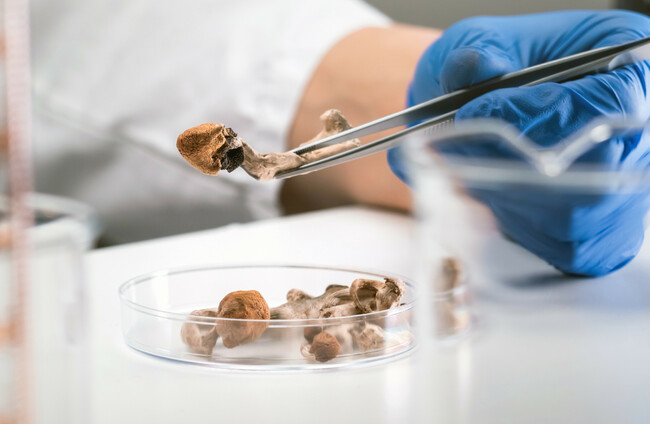
Psilocybin has emerged as a leading candidate in the exploration of psychedelic-assisted therapy for major depressive disorder (MDD). Clinical trials conducted at institutions such as Johns Hopkins University have reported significant reductions in depressive symptoms among participants receiving psilocybin, with many experiencing sustained improvements weeks to months after treatment.

The typical therapeutic model involves a guided session where participants are administered psilocybin in a supportive environment, followed by integration therapy to help them process their experiences. The combination of the psychedelic experience with subsequent therapeutic support appears critical for achieving lasting benefits.
MDMA has been studied extensively for its potential to treat PTSD. Research led by the Multidisciplinary Association for Psychedelic Studies (MAPS) has demonstrated significant reductions in PTSD symptoms among participants undergoing MDMA-assisted therapy.
The therapeutic setting appears to enhance feelings of safety and trust, allowing individuals to confront traumatic memories with reduced fear and anxiety.
This therapeutic approach involves several sessions, including preparation, the MDMA experience and integration, which collectively support emotional processing and healing.
Psychedelics are also being investigated for their ability to alleviate anxiety, particularly in patients with terminal illnesses. Studies indicate that psilocybin may reduce anxiety and depression in cancer patients, promoting a sense of peace and acceptance in the face of mortality. Clinical trials have reported that participants experience significant improvements in quality of life and existential distress following treatment.
Integration therapy is a crucial component of psychedelic-assisted therapy. After experiencing a psychedelic session, participants often need support to process their insights and emotions. Integration involves discussing the experiences and realisations that emerged during the session, facilitating the application of these insights to daily life.

This therapeutic support is vital to ensure that individuals can effectively integrate their experiences, minimising the risk of confusion or psychological distress that may arise from intense psychedelic experiences.
Despite the promising findings, several challenges remain in the field of psychedelic-assisted therapy. Regulatory barriers persist, as many psychedelics are classified as Schedule I substances in various countries, complicating research and clinical application. Additionally, societal stigma surrounding these substances may hinder broader acceptance and implementation.
Furthermore, the therapeutic context is paramount. Psychedelics can induce profound psychological experiences, and without appropriate support, individuals may encounter distressing emotions or experiences. Ensuring that therapists are adequately trained and that standardised protocols are in place is essential for maintaining safety and efficacy.
The future of psychedelic-assisted therapy appears promising, with ongoing research expanding to explore additional mental health conditions, including addiction, obsessive-compulsive disorder (OCD) and eating disorders.
As studies progress, there is a growing emphasis on understanding the long-term effects of these therapies and optimising treatment protocols.
Key questions remain regarding the ideal dosing, the most effective therapeutic approaches, and how to integrate psychedelic treatments into existing mental health care frameworks.
Psychedelic-assisted therapy represents a significant shift in the landscape of mental health treatment. With accumulating evidence supporting its efficacy across various mental health disorders, these therapies may offer a novel approach to the treatment of these disorders.
However, careful consideration of the therapeutic context, integration processes and regulatory frameworks will be essential as the field advances. Continued research and clinical trials will be vital in determining the full therapeutic potential of psychedelics and their place within contemporary mental health care.
Dr Colm Harrington is a Psychiatry Senior Registrar and founder of IDPAT, Irish Doctors for Psychedelic Assisted Therapy. He is currently working on psychedelic research trials in Galway University Hospital. The conference is open to researchers, healthcare workers, policymakers, and the public. Tickets are available via Eventbrite: https://www.
To embed this post, copy the code below on your site













have your say