Sign in. It’s quick, free and it’s up to you.
An account is an optional way to support the work we do. Find out more.
Sign in. It’s quick, free and it’s up to you.
An account is an optional way to support the work we do. Find out more.


AS IRISH PEOPLE continue to live longer, the way we approach retirement will need to evolve with the times.
Depending on what stage of life we’re at, retirement can seem like either a pressing concern or like something we don’t need to worry about for decades to come. However, the best way to make sure you’re not worrying about your pension too far down the line is to start planning now.
We all want to enjoy our retirement years in comfort, with access to enough money that will keep us safe, healthy, and engaged in the hobbies and pursuits we’ve spent our whole lives planning for.
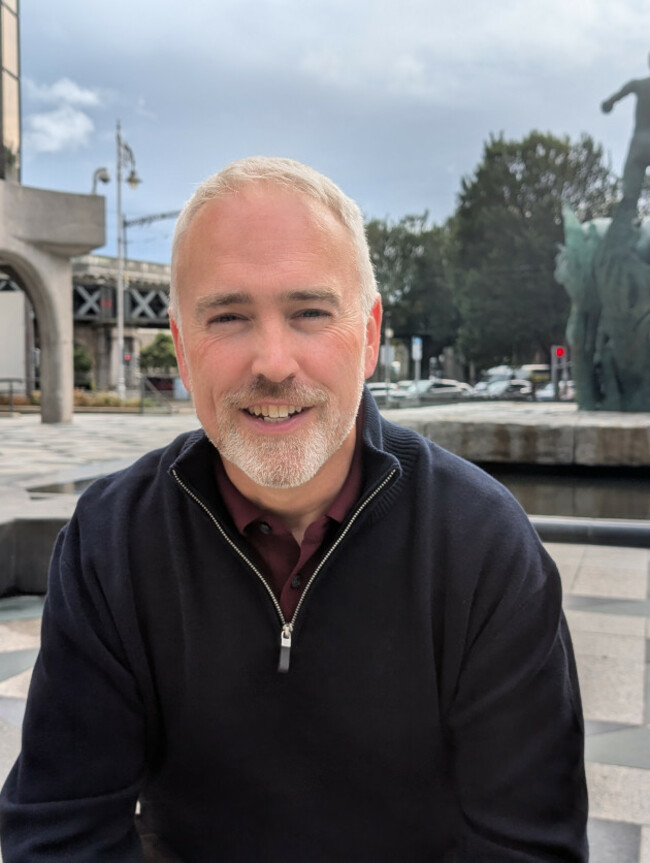
Fortunately, there’s plenty of good advice out there to help you get started when it comes to planning for your retirement. We caught up with Ronan O’Halloran, a financial adviser at Irish Life, to find out what you should be doing if you’re hoping to make the most of your later years.
Irish people are living longer. What does that mean for our attitudes towards retirement?
Recent research from Irish Life shows that Irish people are entering a new era of longevity. We have quite a number of centenarians now. At the moment we’ve got an average life expectancy of around 81 for men and around 84 for women, but living to 100 is now a much more realistic prospect. This means there will be more time for hobbies, more time to travel, more time with the grandkids… The timeframe is hopefully extended to do all those things.
What’s daunting is that a lot of these things cost money. So how do you prepare for that event in the future where you’ve got a long, happy retirement. How do you fund it?
What is it that people need to be doing to prepare for a new way of living beyond the traditional retirement age?
Living longer can affect your retirement plans, that’s the reality of it, and you need to start preparing now. One big thing I’ve seen is that retirement may not necessarily be a hard stop. It’s not necessarily that you hit 65, hang up the spurs and ride off into the sunset. More and more, I’m seeing people who are phasing their transition into retirement.
The happiest people I meet are those who gradually transition into retirement, or use that stage of life to pursue something they’re passionate about. Some people will stop working at 60 or 62 and go part-time, doing consulting work or contracting work. Some people do something completely off the wall, that they’ve always had an interest in.
If you can supplement your income for a few years or maybe have different pension pots, you may be able to access one pension pot at 62, maybe work part-time up 65, 66… Those are genuinely the happiest people I meet in retirement.
What does that mean for the future?
Well if you’re living to 100, maybe that early retirement might not be 60. Maybe early retirement is now 67, 68, especially if you’re in good health, and you like what you do. But not many people have changed their short-term plans.
What are the key considerations people need to make for life beyond 65, what do people want to have in place?
My advice for someone in their 20s will be different to someone in their 40s and beyond, but if possible, start as early as you can. That’s the best advice I can give anybody; that’s the advice I would give to my kids. It can make a huge difference long-term. Pensions are very tax-efficient; they can grow over time depending on how they’re invested and that growth can compound over time. Even if it’s only a small amount, there can be enormous rewards.
If you’re not in that age category, review exactly what you have now. I think advice is key. I think speaking to someone who can guide you or maybe even nudge you in the right direction towards getting started, that’s huge. Establish whether you have any pensions in place from a previous employer. It’s really important to start understanding where you are today and thinking about the income you might need in retirement. Do you have an emergency fund in place, for example? Getting clear on these basics can help you build a stronger financial plan for the future.
So for someone who comes into Irish Life seeking advice, what does that process look like?
First off we need to understand your own personal circumstances. Do you have any concerns around your finances? Do you have a picture of where you want to be in say 5 or 10 years or at retirement? Do you feel like you’re on track for where you want to be? There’s no one-size-fits-all. Get advice from someone who knows your own financial circumstances as intimately as possible. One big figure that came up in our research is that people are almost twice as confident about their decisions once they’ve chatted to a financial adviser, so don’t be afraid to pick up the phone, go online, sit down with somebody, and start the process.
Take action today with a simple first step by speaking to your financial broker or adviser, or by learning more at irishlife.ie.
Irish Life Financial Services Limited, trading as Irish Life, is regulated by the Central Bank of Ireland. Irish Life Financial Services is an insurance intermediary tied to Irish Life Assurance for life and pensions.
To embed this post, copy the code below on your site











have your say