Sign in. It’s quick, free and it’s up to you.
An account is an optional way to support the work we do. Find out more.
Sign in. It’s quick, free and it’s up to you.
An account is an optional way to support the work we do. Find out more.
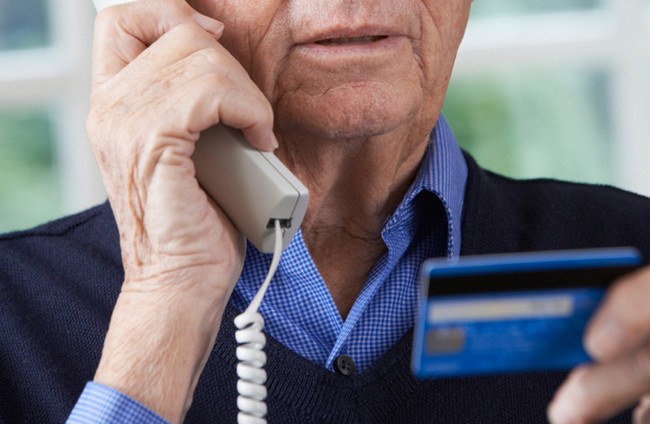
THE REVENUE COMMISSION has issued an official warning about the latest bogus phone call scam being carried out on members of the public.
The commission said it had been made aware of a number of people who had received phone calls from a person purporting to be calling from Revenue.
The person carrying out the scam has been demanding the immediate payment of a tax bill, while a number of people had also been told a criminal case is being taken against them.
In light of this recent scam, Revenue is now advising anyone who receives a suspicious phone call like this, particularly if it is unexpected, to contact the Revenue office.
“If you receive contact demanding payment of tax about which you have any doubt, you should contact our Collector General’s Division,” Revenue said.
While the commission has not received any reports of anyone falling victim to this scam, it has said that “anyone who mistakenly provides personal information in response to these types of fraudulent phone calls should contact their bank or credit card company immediately and alert the gardaí”.
Phishing
Revenue added that this over the phone scam has in no way involved its systems or security.
“Revenue’s internet facing sites are ISO27001 certified. This is a globally recognised Information Security Standard which is independently audited and sets requirements in areas such as information security organisation, data handling, and networks, ensuring that taxpayers’ personal information is secure,” a spokesperson said in a statement.
The commission also warned the public to be cautious of ‘phishing’ emails that regularly circulate seeking personal information or credit card detail from people.
“Revenue will never send emails requiring customers to send personal information via email or pop-up windows.
“Pages on our website which request personal information, are encrypted. After login, the taxpayer can verify that the page is secure by looking for a padlock icon in their browser.”
Revenue has provided general advice for customers about online and over the phone scams.

To embed this post, copy the code below on your site















have your say