Sign in. It’s quick, free and it’s up to you.
An account is an optional way to support the work we do. Find out more.
Sign in. It’s quick, free and it’s up to you.
An account is an optional way to support the work we do. Find out more.
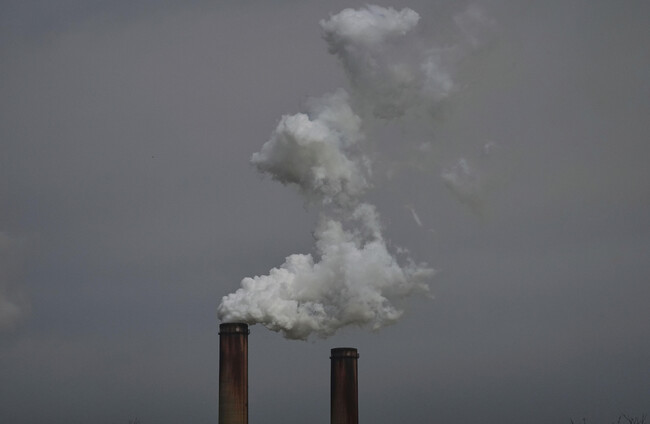
THE WORLD IS on track for 2026 to be the second-hottest year on record as an exceptionally strong El Niño weather pattern turbocharges human-driven global warming, the EU’s climate monitor said Friday.
This year still has a “20% chance of tying or exceeding” 2024 as the warmest ever seen, the Copernicus Climate Change Service said in a monthly bulletin.
Global temperatures are now “virtually certain” to exceed 1.5C above pre-industrial levels in 2026, Copernicus said.
The four-year average from 2023 to 2026 is also expected to top 1.5C, the preferred limit set in the Paris Agreement to avert the worst impacts of climate change.
The world experienced its warmest October on record, with average global surface air temperatures 1.75C above pre-industrial times, an era defined as 1850-1900, Copernicus added.
It was the third straight month exceeding 1.5C.
“October has continued the pattern of remarkable global warmth, with record global and surface ocean temperatures,” said Samantha Burgess, strategic lead for climate at the European Centre for Medium-Range Weather Forecasts (ECMWF), which operates Copernicus.
“An exceptionally strong El Niño is adding further heat to a climate already warmed by human activities,” she said.
The latest bulletin comes as nations prepare to meet on Monday for the UN’s two-week COP31 climate summit in Turkey after a year marked by deadly floods in Nepal, searing heatwaves in Europe and major wildfires in Indonesia.
Global forecasters have been warning for months that this El Niño, which is expected to peak later this year, would likely become the strongest ever observed.
The intensifying weather phenomenon set an all-time temperature record in a key Pacific zone last month, Copernicus said.
The warming phase of a natural climate cycle, El Niño temporarily raises sea temperatures in the tropical Pacific, triggering changes in weather that can increase the risk of drought and flooding, and exacerbate man-made global warming.
Forecasters say El Niño could help make 2027 the hottest year on record.
Nations agreed at the 2015 UN climate talks in Paris to keep global warming “well below” 2C above pre-industrial levels, while pursuing efforts to limit it to 1.5C.
But the United Nations declared in September that the long-term 1.5C target would be missed in a matter of years.
Scientists say it is crucial to reduce greenhouse gas emissions from fossil fuels to limit the period of “overshoot” above 1.5C and bring temperatures back down as quickly as possible.

To embed this post, copy the code below on your site















have your say