Sign in. It’s quick, free and it’s up to you.
An account is an optional way to support the work we do. Find out more.
Sign in. It’s quick, free and it’s up to you.
An account is an optional way to support the work we do. Find out more.
LAST UPDATE | 2 Jul 2024
THE TV LICENCE fee should be scrapped and RTÉ should instead be funded through Coimisiún na Meán, the Dáil’s Oireachtas media committee is to recommend.
Government ministers are still at loggerheads over the future of the TV licence fee and RTÉ funding.
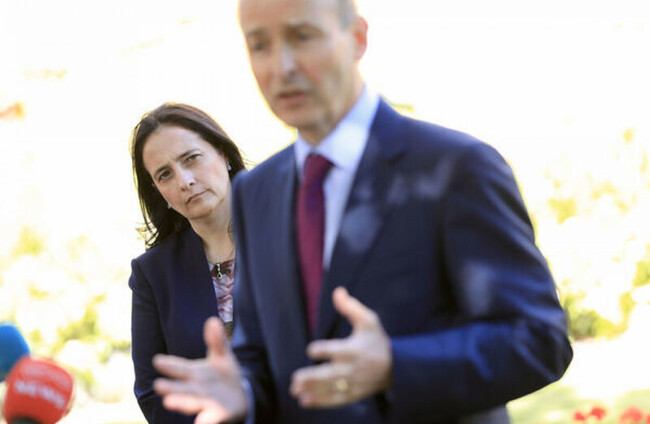
Media Minister Catherine Martin met with the three coalition leaders last night to discuss the issue, which was the latest in a series of bilateral meetings with the aim of finding a consensus.
Martin is advocating for direct Exchequer funding for RTÉ, stating last week that she would like to see “five to seven year ring fenced” funding for the national broadcaster.
The minister has been fighting an uphill battle as the idea is being opposed by Tánaiste Micheál Martin, Public Expenditure Minister Paschal Donohoe, as well as the new Finance Minister Jack Chambers.
However, her idea of abolishing the licence fee and replacing it with direct government funding is being endorsed by the committee.
The committee’s report, seen by The Journal, recommends that multi-annual funding arrangements should be index-linked basis for public service media and public service content providers.
No decision reached
It is understood there was a “detailed discussion” at the meeting last night with the party leaders, as well as Public Expenditure Minister Paschal Donohoe and the finance minister. However, no decision was made.
Government sources have said a decision on the matter will be made by the end of July, but not necessarily by the time the Dáil rises on 11 July.
Speaking on RTÉ News at One Housing Minister Darragh O’Brien also indicated that the decision could be brought after the Dáil rises, stating that that the Cabinet will continue to meet in the month of July.
Donohoe said last week that he does not believe the TV licence fee should be scrapped and replaced with direct Exchequer funding for RTÉ.
He said the government will have to make up the shortfall and that ultimately, money which could be used for social welfare increases or childcare would go to the national broadcaster to fill the licence fee gap.
“We shouldn’t let that happen,” he said. However, in response, the media minister said “multi-annual” funding would avoid budget wrangling.
However, senior sources have noted that there are many agencies that would prefer to have multi-annual funding, such as the HSE, and that one rule cannot just be applied to one area and not another.
Martin said the alternative is the reform of the licence fee to a broadcasting tax, which would be collected by Revenue, which she believed would be not be “palatable” to the public.
RTÉ officials are also due to appear at the Oireachtas Committee on Arts and Media later to discuss the various issues relating to the reform of the national broadcaster.

To embed this post, copy the code below on your site










have your say