Sign in. It’s quick, free and it’s up to you.
An account is an optional way to support the work we do. Find out more.
Sign in. It’s quick, free and it’s up to you.
An account is an optional way to support the work we do. Find out more.
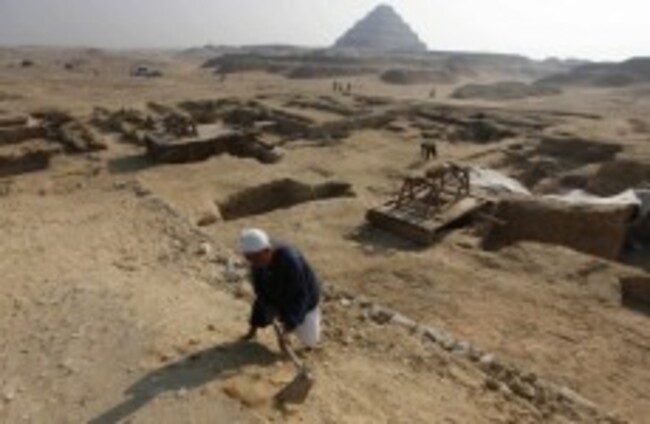
SEVENTEEN LOST PYRAMIDS and numerous other buildings have been uncovered by space archaeologists scanning Egypt form space using infra-red satellite technology.
A team led by Dr Sarah Parcak working in a Nasa-sponsored laboratory in the United States observed Egypt via satellites orbiting 700km above the earth. Evidence of unknown buildings across the country – including houses, temples, tombs and even pyramids – was uncovered by the team, and archaeologists then secured permission from the Egyptian authorities to dig for sites, the BBC reports.
More than 1,000 tombs and 3,000 ancient settlements were discovered by the team, bolstering the reputation of space archaeology, the Daily Mail reports.
“I couldn’t believe we could locate so many sites all over Egypt,” Parcak said.
The pioneering technology used by Parcak’s team can detect objects less than 1m in diameter on the earth’s surface, and the infra-red technology can detect different materials under the surface. So far, two of the pyramids found by the team have been confirmed to exist following digs.
Parcak has said she believes that further historical sites exist in Egypt – particularly around the River Nile.
The BBC’s documentary Egypt’s Lost Cities, airing on BBC1 on Monday 30 May, charts the journey of Parcak and her team as they uncover Egypt’s undiscovered treasures.

To embed this post, copy the code below on your site













have your say