Sign in. It’s quick, free and it’s up to you.
An account is an optional way to support the work we do. Find out more.
Sign in. It’s quick, free and it’s up to you.
An account is an optional way to support the work we do. Find out more.
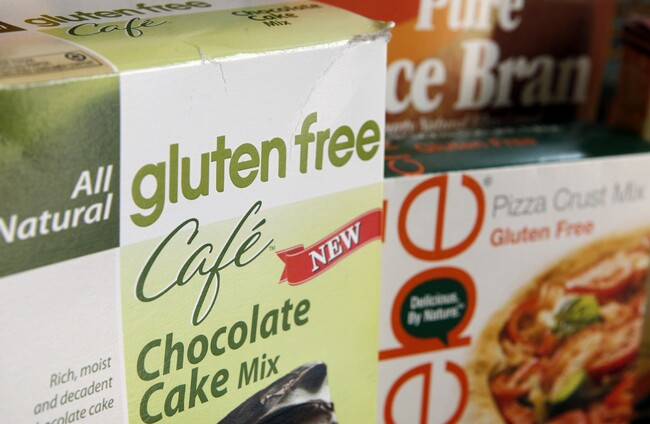
THE NUMBERS OF those suffering from coeliac disease (CD) has increased in recent years, but not nearly as quickly as the explosion in coeliac-friendly foods.
But, if you’re giving up gluten without suffering the disease, should your kids follow suit?
A commentary in The Journal of Paediatrics says not really.
According to the author of the commentary, Dr Norelle Reilly, from New York-Presbyterian/Columbia University Medical Centre, a lot of parents enforce a gluten-free diet out of concern, rather than with medical diagnosis.
“One misconception is that the gluten-free diet is a healthy lifestyle choice with no disadvantages. In fact, in individuals without CD or wheat allergy, there are no proven health benefits. It could increase fat and calorie intake, contribute to nutritional deficiencies, and obscure an actual diagnosis of CD.
“A gluten-free diet also is not necessary for healthy first-degree relatives of individuals with CD or for healthy infants at risk of developing CD.”
Reilly goes on to say many people surveyed in the US gave “no reason” as to why they had pursued gluten-free diets. She adds that while those who have received a diagnosis should pay strict heed to it, but for those without, it’s unnecessary.
“There is no scientific evidence that a gluten-free diet is beneficial for children without a verified diagnosis of CD or wheat allergy. Due to potential nutritional deficiencies and quality of life issues, it could actually pose more risk than benefit.”
She says that parents should told about the “possible financial, social, and nutritional consequences of unnecessary implementation of a gluten-free diet”.

To embed this post, copy the code below on your site













have your say