Sign in. It’s quick, free and it’s up to you.
An account is an optional way to support the work we do. Find out more.
Sign in. It’s quick, free and it’s up to you.
An account is an optional way to support the work we do. Find out more.
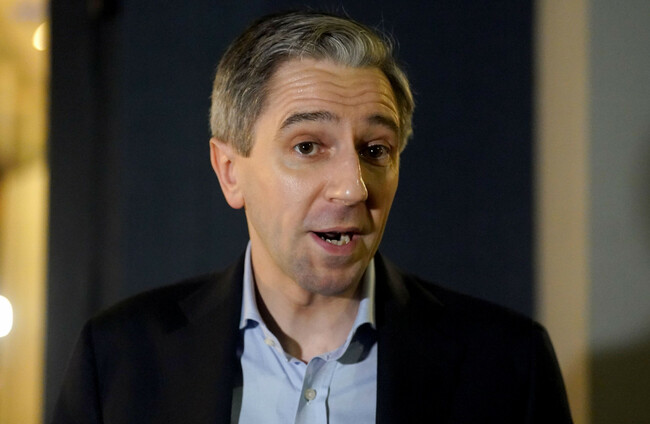
SIMON HARRIS HAS defended claims that new junior minister positions in the next government are “jobs for the boys”, claiming Fine Gael voters expressed their support for the measure, included his party’s manifesto, at the ballot box.
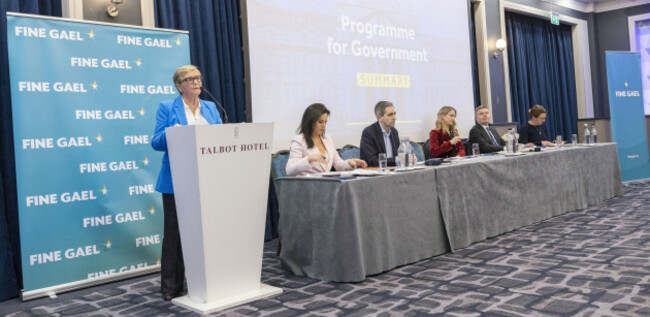
The incoming Tánaiste spoke outside the Talbot Hotel in Dublin where ordinary and elected members of Fine Gael from the capital and Co Wicklow are meeting to accept or reject the draft Programme for Government announced this week.
Asked about criticisms from opposition over the three new Minister of State positions, costing the taxpayer close to €1 million, Harris claimed the measure was included in his party’s election manifesto and that Fine Gael were delivering on the promise.
He told reporters: “My party campaigned in the election that if you voted for Fine Gael, we would have a stand-alone Minister of State for Older People – because, quite frankly, older people and mental health are two big briefs and they both deserve attention.
“In Fianna Fáil and Fine Gael manifestos, both parties committed that if you elected us to government, we would have a stand-alone minister for fisheries – an issue that’s huge of importance in parts of this country.
“And then my understanding is, when it comes to the third junior ministry, it is to have a focus on the issue of migration,” he added.
He said while though Fine Gael and Fianna Fáil took “different approaches” to introducing the final junior ministry, both parties agreed that the issue of migration deserved better attention.
“The country’s population is growing, the complexity of issues are growing and I think this is sensible.”
Sinn Féin TD Mairéad Farrell and People Before Profit TD Paul Murphy have claimed that the introduction of the new ministers was simply in the self interest of government TDs.
Farrell reasoned that a TD’s salary already places them among the top 6% of earners and claimed the new roles amount to “wastage”. Murphy claimed the move displayed that the coalition negotiations were focused on creating “jobs for the boys”.
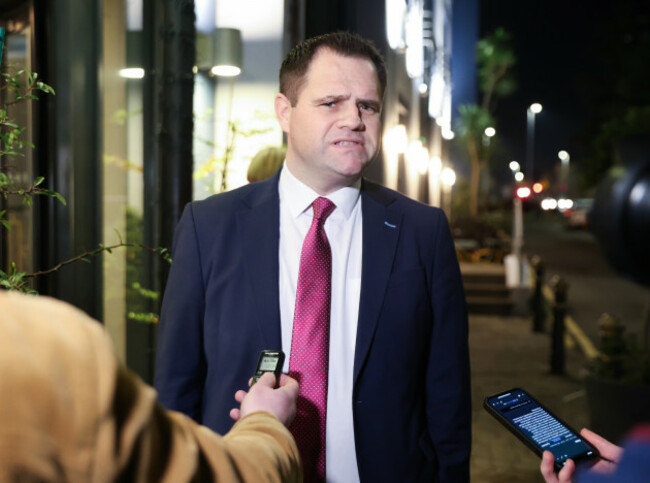
Asked about these comments this evening, two-time Fine Gael junior minister Neale Richmond said it was necessary for the roles to be introduced and the incoming government were justified in doing so due to population changes.
Five secret ballots are taking place across in counties Dublin, Sligo, Carlow, Cork and Meath this weekend where Fine Gael members will vote to accept or reject the draft Programme for Government.
Each event will include an address by Harris or deputy leader Helen McEntee and a presentation on the programme for government by the negotiating team. Members will then get the opportunity to ask questions on the document.
Though ministers and members from Fine Gael gave positive signals to media over the party’s feeling towards the document, some members expressed to The Journal they still wanted to hear what negotiators and leaders had to say.
Outgoing European minister and negotiator for Fine Gael Jennifer Carroll MacNeill told reporters that she was not sure what remaining questions her party may have on the Programme for Government and has yet to hear what her party thinks of the document.
She added, however, that she is confident it will be agreed by members this weekend.
“We feel as the negotiating team that we have put together a Program for Government with Fianna Fáil and with the independents that does reflect the values of Fine Gael, that does reflect what people have said to us on the doors during the election, and that’s so important,” she told reporters this evening.
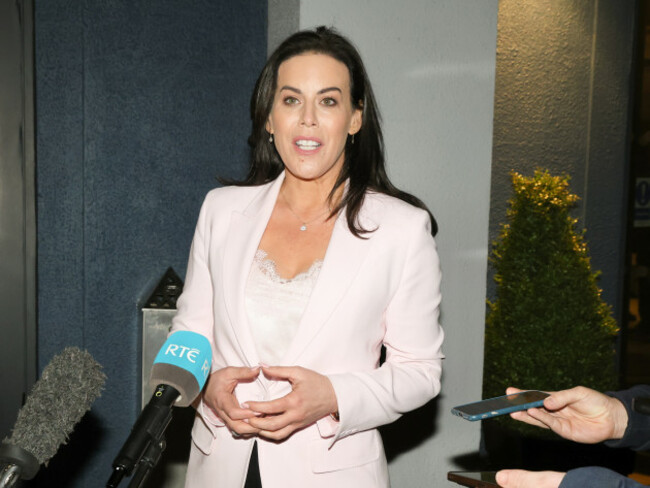
“We really think this is an opportunity for a stable, solid government for the next five years that will be able to weather different challenges, external challenges,” she added.
Results of the five ballots will be announced following a parliamentary party meeting on Monday. Fine Gael use an electoral college-style of voting for internal ballots, where elected TDs get 65% of votes, ordinary members get 25% and councillors get 10%.

To embed this post, copy the code below on your site












have your say