Sign in. It’s quick, free and it’s up to you.
An account is an optional way to support the work we do. Find out more.
Sign in. It’s quick, free and it’s up to you.
An account is an optional way to support the work we do. Find out more.
IT’S A DAY of rest, and you may be in the mood for a quiet corner and a comfy chair.
We’ve hand-picked the week’s best reads for you to savour.
1. The wild world of Silicon Valley

Is there a tech bubble in Silicon Valley? That’s the question this article asks, and in doing so demonstrates some of the more outlandish practices of the Silicon set.
(Vanity Fair, approx 24 mins reading time)
Shortly after the Facebook I.P.O., I learned about a secret group within the social-network company called “T.N.R. 250”; it was an abbreviation of “The Nouveau Riche 250,” comprising Facebook’s first 250 employees, many of whom had become multi-millionaires. The members of T.N.R. 250 privately discussed things they wanted to buy with their windfall, including boats, planes, Banksy portraits, and even tropical islands.
2. When twelve tribes go to war
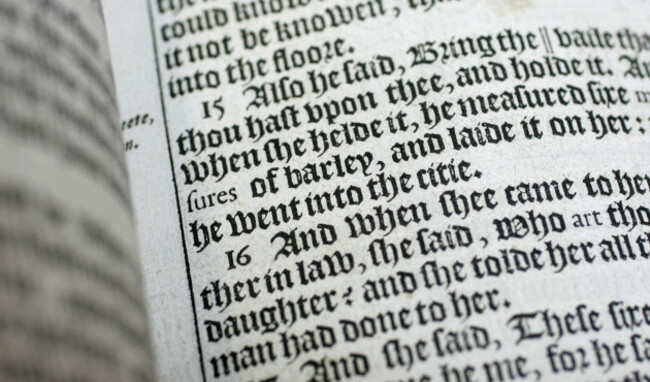
Religious separatists Twelve Tribes believe they are direct descendants of the Puritans. But interviews with former members suggest the sect has a dark side that affected them deeply.
(PS Mag, approx 34 mins reading time)
Spriggs told his followers that God wanted them to cut themselves completely off from modern society. This meant no television, radio, books, or anything else that embodied secular culture. “Friendship with the world,” he preached, “is enmity with God.” Members were required to donate all their possessions to the group—homes, cars, money—in exchange, Spriggs told them, for eternal salvation. When concerned relatives raised objections, Spriggs told his followers to cut them off, too.
3. Murder on the Appalachian trail

Back in 1990, a young couple were brutally murdered on the usually peaceful Appalachian trail. A fellow hiker who met them back then returns to the scene of the crime.
(Outside Online, approx 37 mins reading time)
“We reminded one another before we started this ordeal that there would be tough days: Days we would ask ourselves, ‘Why are we doing this?’ ” Molly admitted early on, in a journal they shared. “Well, we had one of those days.” Geoff’s next entry whimpered: “Our bodies have had almost as much as they can take.”
4. Journey from Sweden to Syria
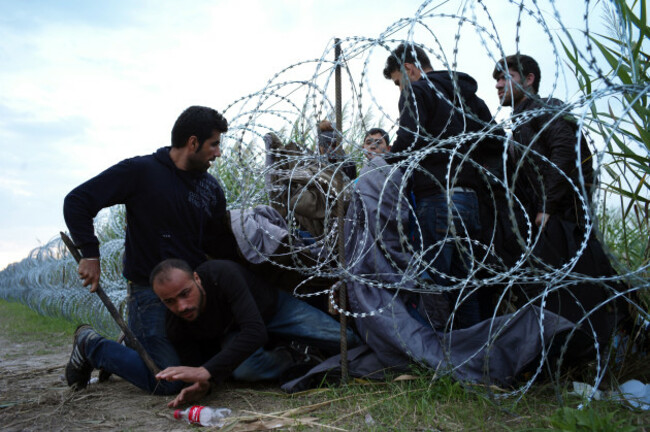
Hashem Alsouki made the perilous journey from Sweden to Syria, to escape a life of conflict. Here is his real-life experience, documented in images and words.
(The Guardian, approx mins reading time)
It is perhaps 11 o’clock at night, but Hashem can’t be certain. He’s losing track of time, and of place. Earlier in the evening, on a beach at the northernmost tip of Egypt, he and his companions were herded into this little boat. Now that boat is who knows where, bobbing along in the pitch darkness, lurching in the waves, somewhere in the south-eastern Mediterranean. And its passengers are screaming.
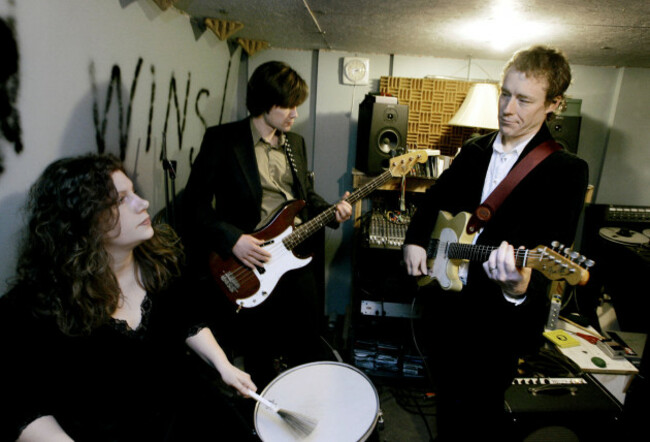
Musicians Mimi Parker from Low and Sharon Van Etten get together to talk about being a mother on the road, and being on tour as a mum.
(NPR, 23 mins listening time)
I think I was really fortunate that Alan was there. It’s a partnership. I have an amazing picture of when Hollis was just starting to walk, and we were on tour, backstage, and she’s standing there and you see literally five sets of hands around her, everybody waiting to catch her … Everybody just kind of stepped up. On tour, she was everybody’s baby.
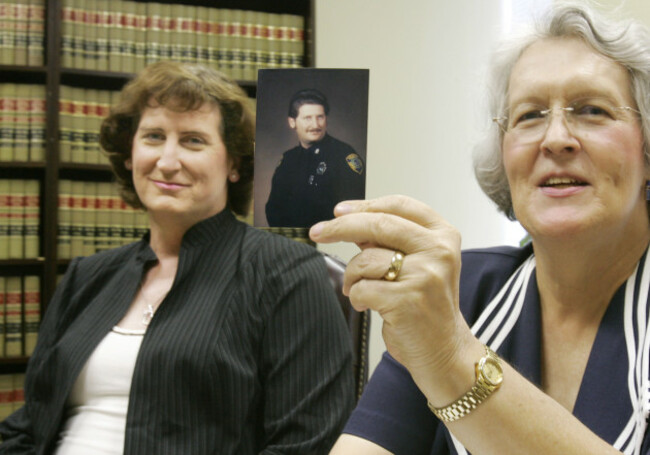
Phyllis Frye is one of the leaders of the transgender movement in the USA, and fought for her rights despite being spat at, having her tires slashed and being disconnected from her family after going public. Here’s her remarkable story.
(New York Times, approx 30 mins reading time)
It was the summer of 1976. As Bruce Jenner, 26, was celebrating his decathlon victory at the Montreal Olympics, Phillip Frye, 28, was admitting defeat in suppressing his gender identity. He, becoming she, had already lost a lot: He had been forced to resign from the military for “sexual deviation.” He had been disowned by his parents, divorced by his first wife and separated from his son. He had been dismissed from several engineering jobs.
…AND A CLASSIC FROM THE ARCHIVES…
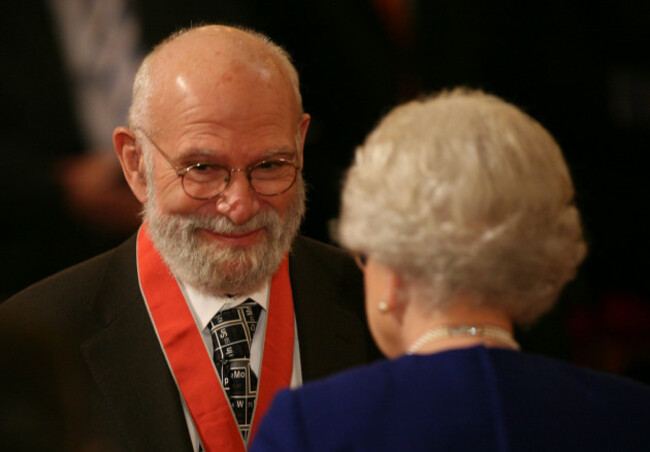
Oliver Sacks died earlier this week. Here’s one of his most famous pieces of writing, about a man who mistook his wife for a hat.
(London Review of Books, approx 24 mins reading time)
For not only did Dr P. increasingly fail to see faces, but he saw faces when there were no faces to see: genially, Magoo-like, when in the street, he might pat the heads of water-hydrants and parking-meters, taking these to be the heads of children; he would amiably address carved knobs on the furniture, and be astounded when they did not reply.

To embed this post, copy the code below on your site















have your say