Sign in. It’s quick, free and it’s up to you.
An account is an optional way to support the work we do. Find out more.
Sign in. It’s quick, free and it’s up to you.
An account is an optional way to support the work we do. Find out more.
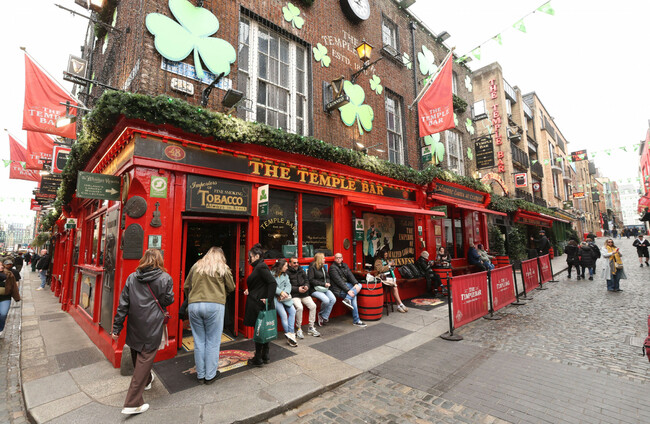
IT’S A DAY of rest, and you may be in the mood for a quiet corner and a comfy chair.
We’ve hand-picked some of the week’s best reads for you to savour.
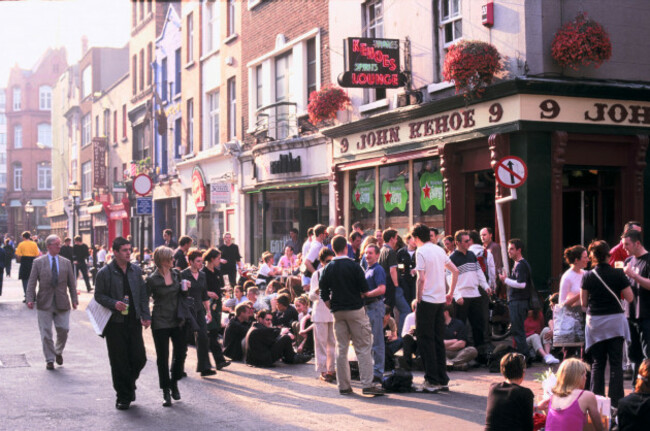
Elaine Glusac, a self-proclaimed frugal traveller, visited Dublin to experience the city on a budget. In this New York Times piece, she shared her five recommendations.
(The New York Times, approx 10 mins reading time)
“About one in five people living in Dublin are not Irish, a statistic that syncs up with the city’s food scene, which is full of multicultural delights.”

Fin Carter chronicles the origins of the secret society and investigates whether it has any power today.
(Dispatch, approx 15 mins reading time)
“The Illuminati hoax formed part of what they called ‘Operation Mindfuck’, which sought to ‘attribute all national calamities, assassinations or conspiracies to the other member-groups’. In one stunt, they wrote a letter on behalf of the Illuminati to the Christian Anti-Communist Crusade confirming that: ‘We’ve taken over the Rock Music Business. We took over the business in the 1800s. Beethoven was our first convert’.”
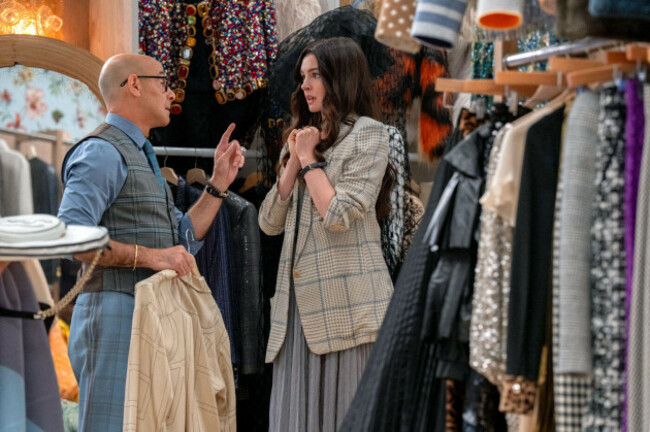
When Molly Rogers got the call to work on the costumes for “The Devil Wears Prada,” she could sense right away that she was involved in something special. Upon the release of the sequel, The New York Times spoke to the costume designer about how the iconic looks came together.
(The New York Times, approx 8 mins reading time)
“Emily’s gala dress — a strapless Dior gown with a nude tulle and black lace corset top, matching opera gloves and a slinky black satin skirt with a double side bow — was Rogers’s favorite look from the film. Alas, it ended up on the cutting-room floor. Still, she said, she loved getting the chance to bring an edge to a very un-Emily-like shape.”
Christine Darwood is the wife of Shahzada Dawood and mother of Suleman, who paid $500,000 for two seats on the Titan submersible. They both died during the expedition, which sought to bring them and others 3.5km beneath the surface of the North Atlantic to view the wreck of the Titanic. Christine shares what it was like to experience immense grief after such a public tragedy.
(The Irish Times, approx 15 min reading time)
“‘At that moment, as I looked out to sea, I felt very close to my mother,’ says Dawood. She cites everything that came following the 96-hour deadline and the subsequent confirmation, via the sighting of debris, of what had happened, as “the after’.“

The original plan for Hammarby Sjöstad was for an eco-village aimed at attracting the Olympics. They never came, but the locals moved in and, with upgrades, hope to be carbon neutral by 2030.
(Smithsonian Magazine, approx 8 mins reading time)
“Shortly after I returned to New York, I overheard two college students on the subway speaking Swedish. When I told them I had just visited Hammarby Sjöstad and was blown away by its sustainability, they exchanged knowing glances. ‘It’s a good start,’ one said with a polite smile, ‘but it could be much better.’ They exited at the next stop, leaving me to wonder what they meant. How could it be better? I went looking for answers.”
In December 1982, South African Rodney Wilkinson walked four bombs into Koeberg power station – the crown jewel of the apartheid state – pulled the pins and then left on his bicycle. How did he do it?
(The Guardian, approx 25 mins reading time)
“Like all white South African men of his generation, Wilkinson was conscripted at 18. He absconded. The South African Defence Force dragged him back, and in 1976 sent him and many others north into Angola in unmarked vehicles. South Africa was fighting a war the regime denied it was fighting. Soldiers were dying and their deaths were being reported in the media as being the result of car accidents. Their parents had to live with the lies.”
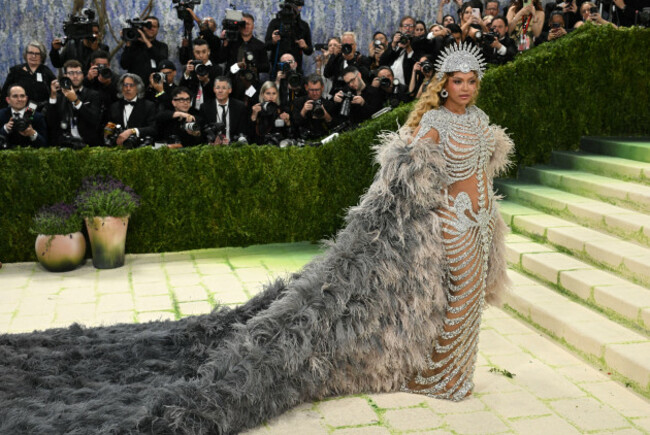
Stars graced the red carpet at New York’s Metropolitan Museum of Art on Monday, where guests were asked to evoke the theme ‘fashion is art’. Shirley Li evaluates how they did.
(The Atlantic, approx 7 mins reading time)
“Every year, many of the guests fail the assignment: They arrive in a superficial take on “punk” or an awkward rendition of ‘dandyism,’ if they don’t veer off course completely. (See: various questionable efforts to capture the 2019 theme, ‘camp.’) It’s a treat, then, when someone gets it just right.”

To embed this post, copy the code below on your site













have your say