Sign in. It’s quick, free and it’s up to you.
An account is an optional way to support the work we do. Find out more.
Sign in. It’s quick, free and it’s up to you.
An account is an optional way to support the work we do. Find out more.
IT’S A DAY of rest, and you may be in the mood for a quiet corner and a comfy chair.
We’ve hand-picked some of the week’s best reads for you to savour.

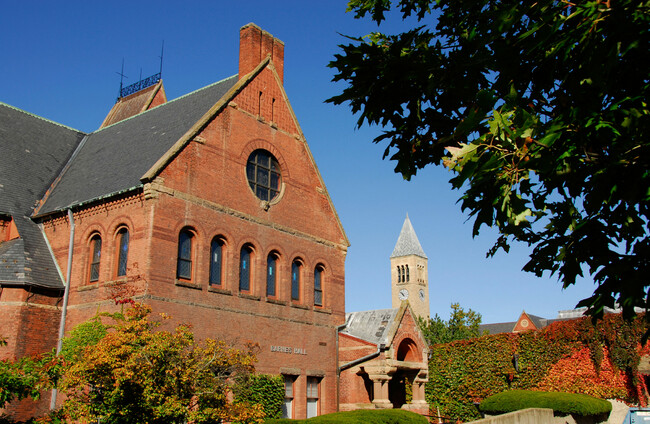
German journalist Katrin Bennhold says that the toxic ingredients which caused the alleged Cornell gang rape are not unique to American fraternities.
(The New York Times, approx. six mins reading time)
“No matter the verdict, the defendants aren’t the only ones facing judgment. So is a culture that to this day has failed to keep women safe, in America and everywhere else.”
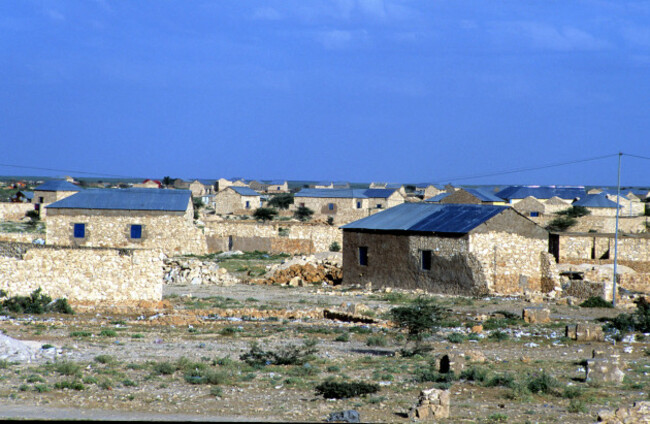
Journalist Michael Scott Moore details his 977 days in captivity and his journey to forgiveness.
(The Guardian, approx. 30 mins reading time)
“I spent most of my time on a thin, sweat-soaked foam mattress on the floor of a dusty room. The dim concrete prison houses changed, but the filth and the circumstances didn’t. Sometimes my captors moved me into the Somali savannah – where we camped in the open and slept on the ground – and for a six-month stretch, I was held on a hijacked tuna vessel, where I joined 28 fishers from east Asia who had been captured about three weeks before I was placed on board.”

Norwegian man Steffen Skjottelvik set off on a multi-year adventure through the Canadian wilderness with a pack of sled dogs – but only the dogs returned.
(The New York Times, approx. 25 mins reading time)
“Togo would wait for Steffen right here, among the horsetails and ferns. They had been inseparable for almost a decade, since Togo was a tiny pup — sharing their fish and caribou meat, sleeping together on a caribou hide at night. Togo knew Steffen would climb from the river and sit beside him, and they would rest their heads on each other, the way they liked to do. Steffen always came.”

This exploratory essay looks into how elite Victorians were so successful when, in the modern era, success is seen as something you must get up early and work hard for.
(Work in Progress, approx. 24 mins reading time)
“Maybe the Victorian elite succeeded in spite of being feckless and incompetent: the Industrial Revolution created great wealth, which they enjoyed passively and parasitically. We cannot run controlled experiments on Victorian Britain, so this thesis is hard to test. But I want to explore the possibility that a relentless focus on soft skills, team building, and intra-elite networking actually worked rather well. Huel, STEM, and cold baths have their merits. But the example of the Victorians should make us hesitate before concluding that there is only one way to rule the world.”
Have you noticed more people writing in lowercase? Apparently, it’s cool now.
(Wired, approx. 10 mins reading time)
“They’ll tell you it’s an aesthetic choice, a testament to informality. they’re likely a twentysomething brooklyn resident like myself, bullish on being not the voice of their generation but a voice of a generation, and definitely guilty of posting performative notes-app screenshots and pseudointellectual, stream-of-consciousness “musings” that compare charli xcx to the pope.”

Warming seas and overfishing are threatening Peru’s fishing industry, and it could have widespread global consequences.
(The Guardian, approx. 17 mins reading time)
“The vast majority of the anchoveta industry is concentrated off the coast of north-central Peru, and it is hard to overstate how economically significant this fish is. By weight, Peruvian anchoveta have made up about a 10th of the entire global commercial fishing catch since 1970, more than any other fish. Some years, the anchoveta catch is worth close to $3 billion and directly employs almost 50,000 people, close to a quarter of a million if you include indirect jobs. The Peruvian central bank is forecasting a 30.7% contraction for the fishing sector and about 78,000 job losses in 2026, and another 44,000 in 2027.”
This BBC World Service article from 2019 looks into the life of Ben Shenton, one of seven children raised in the 1960s Australian doomsday cult The Family.
(BBC, approx. six mins reading time)
“Tucked away in their home on the shores of Australia’s Lake Eildon, behind heavy foliage and barbed wire, seven children in matching outfits and bleached blonde haircuts were finishing their morning hatha yoga practice when they heard a commotion on the stairs.”

To embed this post, copy the code below on your site














have your say