Sign in. It’s quick, free and it’s up to you.
An account is an optional way to support the work we do. Find out more.
Sign in. It’s quick, free and it’s up to you.
An account is an optional way to support the work we do. Find out more.
IT’S A DAY of rest, and you may be in the mood for a quiet corner and a comfy chairI
We’ve hand-picked the week’s best reads for you to savour.
1. No respect?
Whitney Wolfe was a co-founder of Tinder. So why did the other co-founders downplay and negate her role, wonders Clive Thompson.
(Medium, approx 10 minutes reading time, 1897 words)
As Joanne McNeil noted in The Message last week, this is a pattern in Silicon Valley: Women’s work gets erased from high-tech success stories. Why? Because Valley culture—the capitalists, the media that write about startups—tend to focus on the programmers, who are still mostly men, and they ignore folks in other jobs, where female employees cluster.
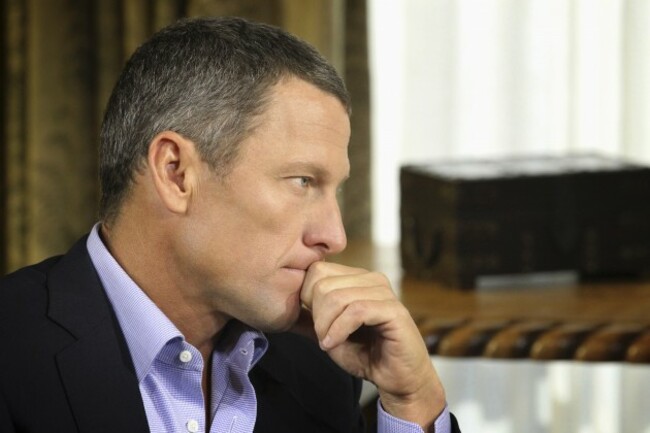
Lance Amstrong fell from grace in a most spectacular way. To find out what life is like for him now, John H Richardson goes to meet him in his mansion.
(Esquire, approx 40 minutes reading time, 8180 words)
While the food cooks, Armstrong lounges—on this Sunday afternoon in Austin, the sun is bright and the temperature cool—watching a toddler in a Supergirl outfit wrestle his youngest son to the grass. Life is good, he insists. He has five happy children. He’s learned who his real friends are. And he is learning to not fight all the time. Really. A fringe benefit of crushing defeat is learning to accept things.
3. The secret lives of undertakers
 CoffinSource: Shutterstock
If you've ever wondered what it would be like to work in a funeral home, this essay by Ken McKenzie is for you.
(Salon, approx 14 minutes reading time, 2894 words)
A man in a three-piece suit sitting on the side of Charles and Jeanette stood up and walked up to the microphone. He identified himself as Earl, Mrs. Revis’s brother. Without preamble, Earl started right in. “Ray and Sam,” he said, pointing to the wolves, “You ought to be ashamed of yourselves.” He jabbed a finger at them. “You treated your mother poorly. A God-fearing woman, she didn’t deserve that. It ’s shameful, just shame—”
4. What should we think about ISIS?
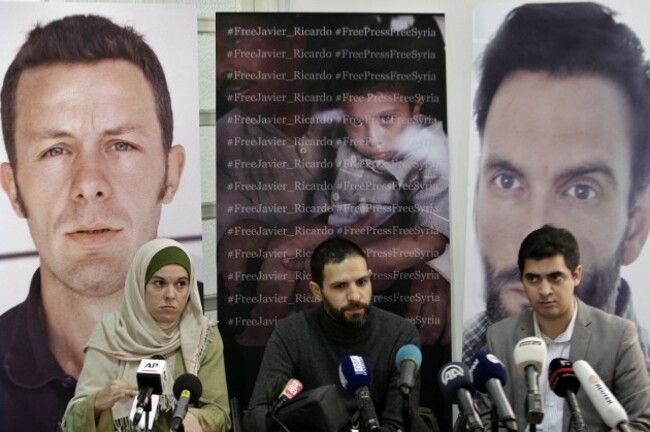
ISIS's propaganda videos are shocking, bloody, and violent. Owen-Bennett Jones suggest that in many respects, ISIS "is a very modern organisation", and so he delves into the jihadi group's activities.
(London Review of Books, approx 18 minutes reading time, 3490 words)
The promise of the Arab Spring has largely been extinguished. Hopes of democratic change have been replaced by fears of dictatorships and caliphates. The most striking disappointment in the region is Egypt, where the ideals of Tahrir Square have ended with the rule of a military man even more authoritarian than Mubarak. The Muslim Brotherhood – which has won every post-Arab Spring election in which it has stood – has been declared a terrorist organisation, with hundreds of its leaders sentenced to death.

Why did six people admit to being involved with two murders... despite knowing nothing about the crimes? Simon Cox investigates.
(BBC, approx 33 minutes reading time, 6617 words)
Gudmundur became another statistic, one of the dozens of people in the past 50 years who have vanished. His name would have faded from the public’s memory if it hadn't been for another disappearance 10 months later, in November 1974, when the perpetual night of Icelandic winter had returned.

Rachel Kong speaks to a person who spent four months living in a quarry as part of a NASA study on Mars.
(Longreads blog, approx 25 minutes reading time, 5121 words)
But the vegetables never varied in size (“The carrots were always the same size, the broccoli was always the same size, and after a while the flavor didn’t matter,” Kate said). The crew craved salt and fat, too. “One of the issues was the meat that was freeze-dried didn’t have a lot of fat in it. And so we were all really starved for fat. We used a lot of oil; we just couldn’t get enough.
...AND A CLASSIC FROM THE ARCHIVES...
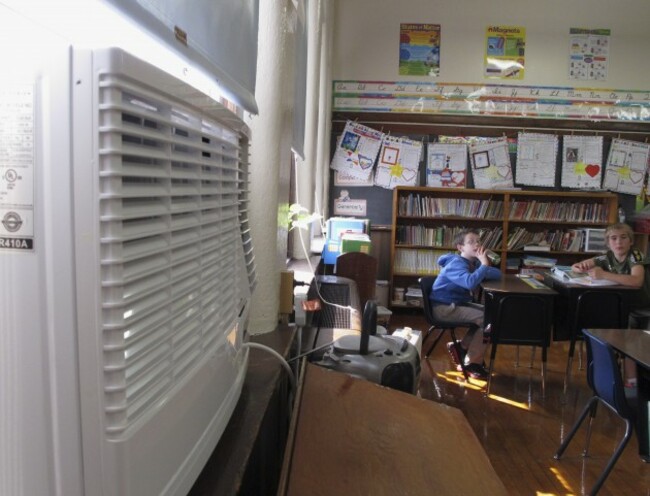
In 1998, Arthur Miller wrote about life before air-conditioning, and sluggish American summers spent soaked in perspiration.
(New Yorker, approx 8 minutes reading time, 1547 words)
Given the heat, people smelled, of course, but some smelled a lot worse than others. One cutter in my father’s shop was a horse in this respect, and my father, who normally had no sense of smell—no one understood why—claimed that he could smell this man and would address him only from a distance. In order to make as much money as possible, this fellow would start work at half past five in the morning and continue until midnight.

To embed this post, copy the code below on your site














have your say