Sign in. It’s quick, free and it’s up to you.
An account is an optional way to support the work we do. Find out more.
Sign in. It’s quick, free and it’s up to you.
An account is an optional way to support the work we do. Find out more.
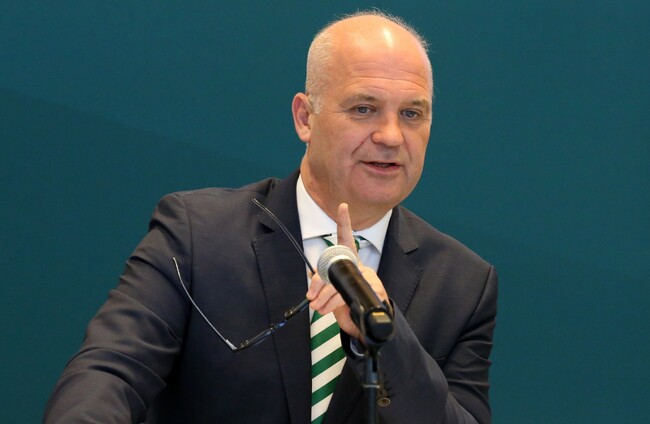
CHIEF MEDICAL OFFICER Dr Tony Holohan has said “consideration will be given” for the addition of anosmia – the loss of sense of taste, smell or both – as a symptom of Covid-19 here, after health authorities in the UK added it to its list of coronavirus symptoms.
At today’s Department of Health briefing, Dr Holohan said that cases had been observed which had seen patients report these symptoms but that any change wouldn’t happen here immediately as they “want to avoid giving GPs a new and different piece of guidance every day”.
The HSE website lists a number of symptoms of Covid-19, including a cough, a fever and shortness of breath. It advises people with symptoms to self-isolate.
The loss of a sense of taste or smell has been identified as far back as late March by researchers as a symptom of Covid-19.
Health authorities in the UK today moved to include it on the list of symptoms for the coronavirus, along with the likes of a high temperature or a new, continuous cough.
“From today, all individuals should self-isolate if they develop a new continuous cough or fever or anosmia,” the chief medical officers of England, Wales, Scotland and Northern Ireland said.
“Anosmia is the loss or a change in your normal sense of smell. It can also affect your sense of taste as the two are closely linked.”
A major study by King’s College London last week found that people with a positive test result were three times more likely to report loss of smell and taste than those who returned a negative test.
Report author Tim Spector said that Public Health England’s (PHE) previous insistence on only including fever and cough as major symptoms meant thousands of cases were missed.
At the government’s daily media briefing, England’s deputy chief medical officer, Jonathan Van-Tam, denied this, saying anosmia was usually followed by a cough and fever and so “you don’t miss those cases”.
But he said it made a “small difference” to improving diagnosis.
The World Health Organization and other countries including the United States also now count it as a symptom.
With reporting by AFP

To embed this post, copy the code below on your site














have your say