Sign in. It’s quick, free and it’s up to you.
An account is an optional way to support the work we do. Find out more.
Sign in. It’s quick, free and it’s up to you.
An account is an optional way to support the work we do. Find out more.
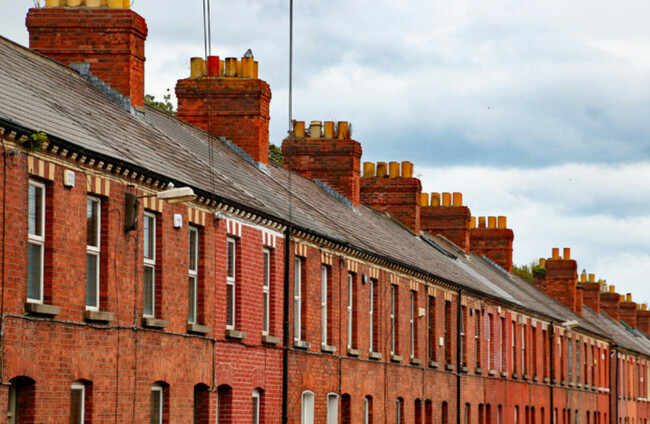
PEOPLE APPLYING FOR social housing will have to prove they are both legally resident and habitually resident in Ireland under new legislation being introduced by the government.
Housing Minister James Browne said the changes are designed to bring greater clarity to the rules around who qualifies for social housing support, while placing existing residency requirements on a statutory footing.
The Housing and Residential Tenancies (Miscellaneous Provisions) Bill 2026, which is due to be published this week, will amend housing legislation to formally require applicants to be lawfully resident in the State and to meet a new “habitual residence” test.
Lawful residency requirements already exist in practice (neither illegal immigrants nor international protection seekers are eligible for social housing), but have not previously been set out in legislation.
Under the bill, different residency rules will apply depending on an applicant’s citizenship or immigration status, including Irish, UK, EU and non-EU nationals.
According to a statement from the Department of Housing, the new habitual residence requirement is aimed at ensuring applicants have established Ireland as their “centre of interest” and have a close connection to the State.
In practice, local authorities will examine factors such as a person’s family connections, employment history and length of time living in Ireland when assessing whether they meet the requirement.
In a statement this morning, Browne said the legislation would have “little material effect” on the number of people accessing social housing because it largely reflects existing policy.
“By placing it on a statutory footing it will ensure that successful applicants have a long-term right to reside in the State,” Browne said.
“The new habitual residency requirement will ensure all social housing applicants have a close link to the State and have made Ireland their home.”
The legislation also clarifies who will not be eligible for social housing support.
This includes people whose international protection applications have not yet been decided, those subject to deportation or return orders, and people in Ireland on certain temporary immigration permissions.
People living in Ireland under the EU Temporary Protection Directive (an emergency EU scheme that grants temporary protection to people fleeing war or conflict), including many Ukrainians displaced by the war, won’t be regarded as habitually resident for the purposes of social housing support because of the temporary nature of their permission.
Successful international protection applicants who have been granted refugee status, subsidiary protection or permission to remain will continue to be eligible for assessment, provided they meet the habitual residence requirement.
The bill also introduces a new statutory appeals process for social housing assessment decisions.
Under the proposed system, applicants who disagree with a local authority’s decision on their eligibility or housing assessment will be able to appeal.
Each local authority will appoint an independent appeals officer, who must decide cases within 28 days.
The Department of Housing said detailed guidance will be issued to local authorities once the legislation is enacted.

To embed this post, copy the code below on your site













have your say