Sign in. It’s quick, free and it’s up to you.
An account is an optional way to support the work we do. Find out more.
Sign in. It’s quick, free and it’s up to you.
An account is an optional way to support the work we do. Find out more.

THE EUROPEAN COURT of Human Rights (ECHR) has rejected a complaint from the grandson of Joseph Stalin over a newspaper article which called the former Russian dictator a “bloodthirsty cannibal”.
The court rejected the complaint by Yevgeny Dzhugashvili, who had sought damages from Moscow’s Novaya Gazeta newspaper.
The case had previously been thrown out by a Russian court, before being brought to Europe.
On 22 April 2009, the Novaya Gazeta, an opposition newspaper, published an article entitled “Beria pronounced guilty” which dealt with the 1940 Katyń shootings. The article was written by a former investigator of the Russian Chief Military Prosecutor’s Office who had been responsible for the rehabilitation of victims of political persecution.
The article accused leaders of the Soviet Politburo, including Joseph Stalin, of being “bound by much blood” in the order to execute Polish prisoners of war at Katyń in 1940, and described the applicant’s grandfather as a “bloodthirsty cannibal”.
The article also alleged that those leaders had “evaded moral responsibility for the extremely serious crime”.
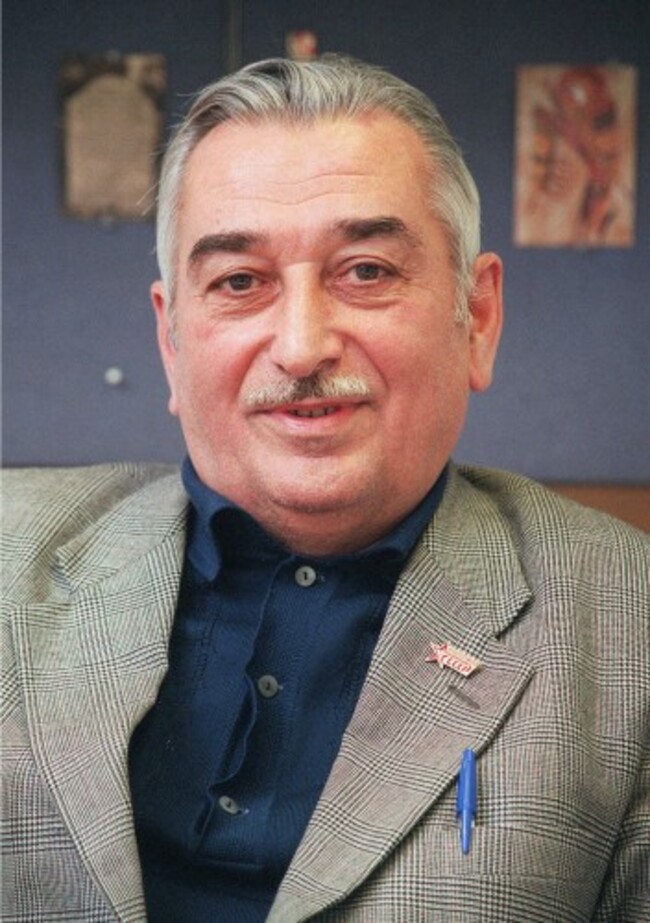
Dzhugashvili considered that the article was defamatory towards his grandfather, and sued the Novaya Gazeta and the author of the article for non-pecuniary damages totalling 9.5 million roubles (the equivalent of approximately
€211,488).
In its decision, the ECHR said that while families of the dead had a right not to be defamed by publications, the criticism of a political figure was legitimate.
“In the applicant’s case, Novaya Gazeta’s publication of the first article contributed to a historical debate of public importance, concerning Joseph Stalin and his alleged role in the Katyń shootings.
The Court held that the Russian national courts had “struck a fair balance between the applicant’s privacy rights and journalistic freedom of expression”.
The application was rejected as “manifestly ill-founded” and the case declared inadmissible.

To embed this post, copy the code below on your site
















have your say