We need your help now

Support from readers like you keeps The Journal open.

You are visiting us because we have something you value. Independent, unbiased news that tells the truth. Advertising revenue goes some way to support our mission, but this year it has not been enough.

If you've seen value in our reporting, please contribute what you can, so we can continue to produce accurate and meaningful journalism. For everyone who needs it.

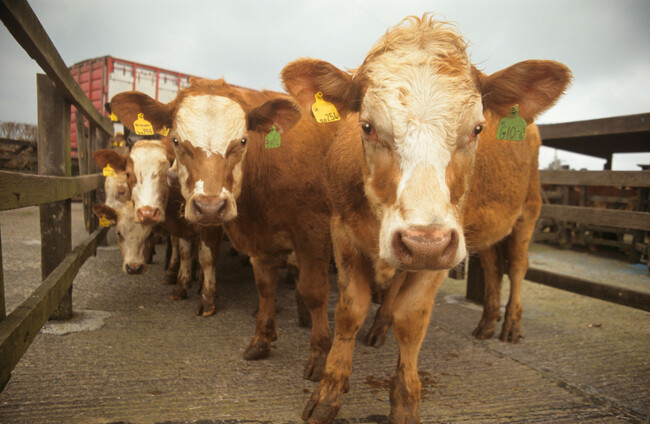
Two suspected cases discovered in a herd of cattle near Bangor in Co Down have tested positive for the virus (file image) Alamy Stock Photo

Surveillance being ramped up in the Republic after two bluetongue cases confirmed in the North

Bluetongue is a disease which is mainly spread by biting midges and affects sheep and cattle.

SURVEILLANCE FOR BLUETONGUE is being ramped up in the Republic after two cases were confirmed in the North.

Bluetongue is a disease which is mainly spread by biting midges and affects sheep, cattle, and other ruminants such as deer and goats.

Though it does not affect people or food safety, outbreaks can result in prolonged animal movement and trade restrictions.

Two suspected cases discovered in a herd of cattle near Bangor in Co Down have tested positive for the virus and a further 44 suspected cases have been identified in the same herd.

Minister for Agriculture Martin Heydon described the confirmed cases in the North as “most unfortunate”.

He said farmers “will be rightly concerned” and warned that “if bluetongue becomes established in any part of the island, it presents a threat of spreading to other areas next spring and summer”.

While Heydon said his Department has been carrying out “intensive surveillance” for bluetongue for two years, that surveillance is now being “ramped up in light of this finding”.

“If bluetongue does arrive here, my goal is clear: to find it quickly and to eradicate it if possible, so as to protect Irish livestock and Irish farmers from the losses which this disease causes.”

And while Heydon noted that Bluetongue does not have any implications for food safety or human health, he said it “does have a real impact on farmers whose flocks or herds are affected”.

He pointed to “the financial and emotional stress which accompanies the animal health and welfare consequences”.

He added that because bluetongue is spread by midges, the disease spread is much less likely in the winter and early spring months.

The enhanced surveillance actions being taken include on-farm surveillance blood sampling of cattle and sheep and testing livestock submitted to Regional Veterinary Laboratories.

It also includes the sampling of cattle routinely slaughtered at meat plants and farmers and verts are encouraged to report any suspect cases to their Regional Veterinary Office.  

Further information on bluetongue disease is available on the Department’s website here.

Readers like you are keeping these stories free for everyone...
A mix of advertising and supporting contributions helps keep paywalls away from valuable information like this article. Over 5,000 readers like you have already stepped up and support us with a monthly payment or a once-off donation.

Close
Comments
This is YOUR comments community. Stay civil, stay constructive, stay on topic. Please familiarise yourself with our comments policy here before taking part.
Leave a Comment
    Submit a report
    Please help us understand how this comment violates our community guidelines.
    Thank you for the feedback
    Your feedback has been sent to our team for review.

    Leave a commentcancel

     
    JournalTv
    News in 60 seconds