Sign in. It’s quick, free and it’s up to you.
An account is an optional way to support the work we do. Find out more.
Sign in. It’s quick, free and it’s up to you.
An account is an optional way to support the work we do. Find out more.
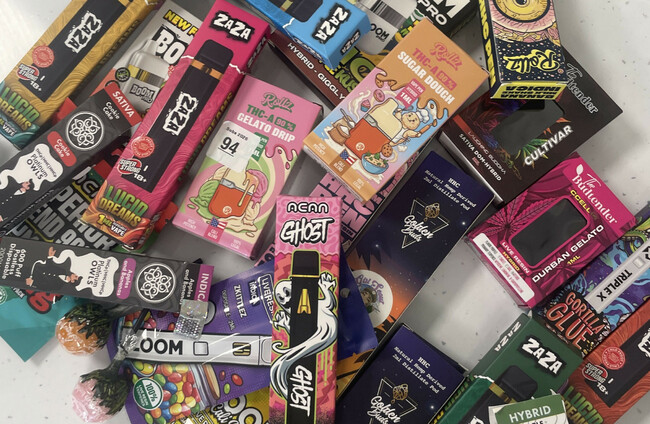
THE HSE IS concerned that a lack of regulation of vapes and edibles in Ireland is putting people, especially teenagers, at risk.
It comes after high-risk synthetic cannabinoids were found in some products tested by scientists. Both CBD and nicotine products had been tampered with.
The highly-addictive synthetic cannabinoids are man-made. They’re created to mimic the effects of cannabis, but they are more potent and therefore more likely to cause harm.
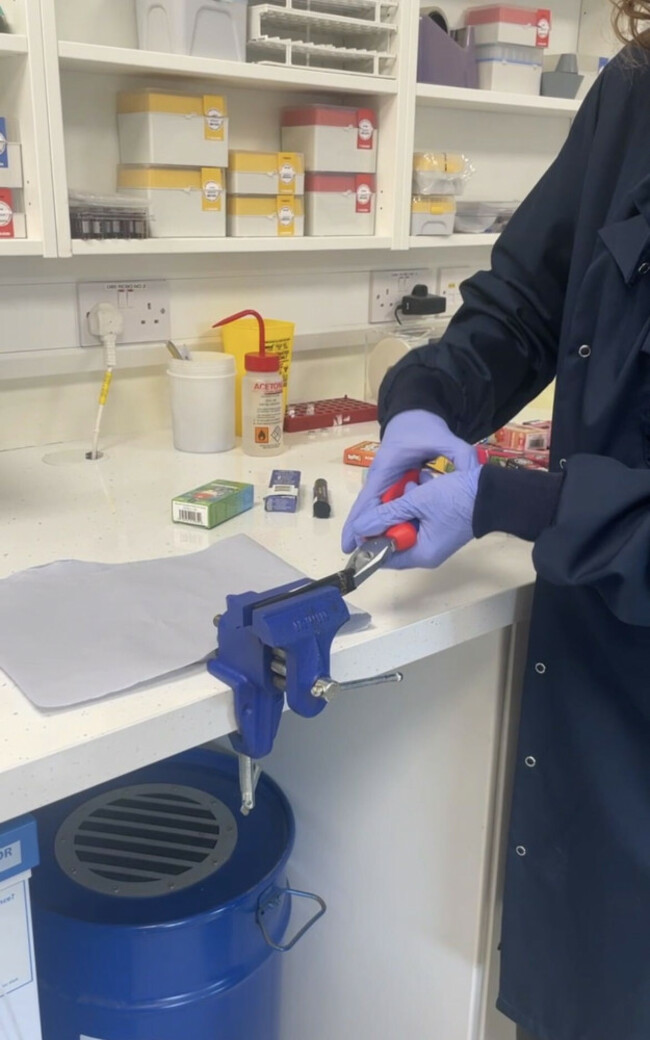
The Journal visited the Emerging Drug Trends laboratory on Dublin’s Pearse Street.
Currently, it can only analyse a small sample of vapes and edibles. These are taken from music festivals, homelessness and addiction services, and hospitals, usually after someone has experienced adverse effects.
A “significant budget” would be needed to carry out large-scale systemic testing, says Eamon Keenan, the HSE’s Clinical Lead for Addiction Services.
There is no regulator that checks whether CBD products sold in shops contain what they say they do.
The Food Safety Authority of Ireland (FSAI) said vapes and edibles “are not food and therefore do not come under our remit”.
The HSE’s environmental health office covers products containing tobacco and nicotine, but not CBD.
Keenan says a group comprising the HSE, the Department of Health, the FSAI and other stakeholders should be established to discuss regulation.
Generally, they must rely on testing from forensic laboratories, which can take six to eight months.
Keenan said there’s been an increase in young people presenting to addiction services as a result of nicotine and CBD products being tampered with.
“It’s a difficult thing to monitor because sometimes treatment trends take about a year to be reported on.”
He said this is why the Emerging Drugs Trends laboratory is important – they can gather real-time information on what substances are circulating.
“In general, young people are especially vulnerable as their brains are still developing,” he said.
“Substance use during adolescence increases risks for their long-term mental health, and we are aware of young people experiencing psychosis after using these products.”
Keenan said parents and guardians have a crucial role to play in reducing the harm caused. He advised them to be educated on the risks so that they can start conversations with young people and help them make healthier decisions.
HHC, a semisynthetic cannabinoid that can induce psychosis or have physical health implications, was banned in Ireland last year. However, the HSE says it is still in circulation. Some 28 vapes of 76 tested contained HHC.
Semisynthetic cannabinoids are equally dangerous as fully-synthetic cannabinoids.
Acetate was found in 13% of vapes tested. When combined with synthetic or semisynthetic cannabinoids, it’s associated with lung damage.
Adverse effects also include:

To embed this post, copy the code below on your site














have your say