Sign in. It’s quick, free and it’s up to you.
An account is an optional way to support the work we do. Find out more.
Sign in. It’s quick, free and it’s up to you.
An account is an optional way to support the work we do. Find out more.
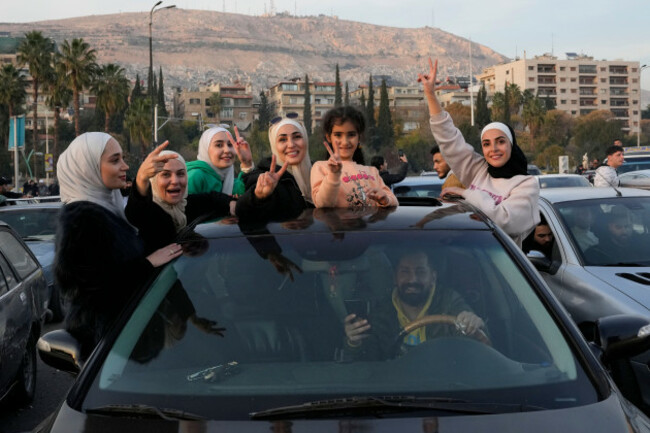
BASHAR AL-ASSAD’S FLIGHT from Syria has triggered celebrations across the country, and around the world, at the end of his oppressive rule.
Crowds cheered in the streets as Islamist-led rebels swept into Damascus, where celebratory gunfire erupted as five decades of brutal Baath party rule came crashing to a dramatic end last weekend.
Syrians across the country and around the world erupted in celebration after enduring decades during which suspected dissidents were jailed or killed, and nearly 14 years of war that killed 500,000 people and displaced millions.
Assad fled to Moscow after the offensive spearheaded by the Islamist Hayat Tahrir al-Sham (HTS) group and its allies.
Sunni Muslim HTS is rooted in Syria’s branch of Al-Qaeda and is proscribed as a terrorist organisation by many Western governments, though it has sought to moderate its rhetoric.
Earlier today, Syira’s interim prime minister pledged to protect minority rights. “Precisely because we are Islamic, we will guarantee the rights of all people and all sects in Syria,” Mohammad al-Bashir said.
Many Syrians in Ireland came here because of the civil war and have welcomed the fall of the Assad regime. However, some have raised concerns about the future of their country
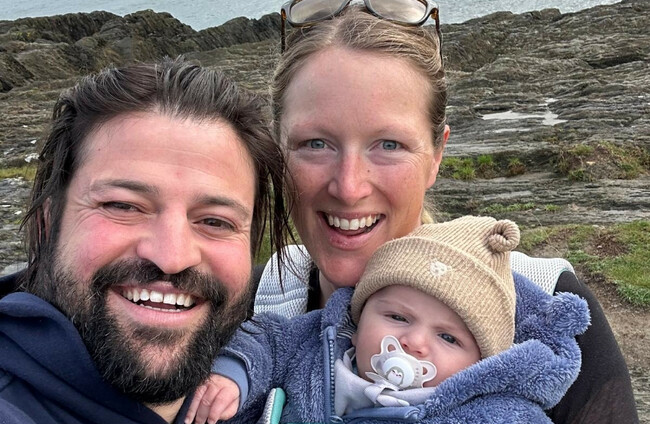
Zaid Rahwanah left Syria in 2013, when he was just 11 years old. He is now 22 years old and studying Pharmaceutical Chemistry at the University of Galway.
“The Syrian revolution began in March 2011 and by September the situation had escalated dangerously,” he told us.
The army, instead of protecting us, targeted peaceful protesters demanding basic rights. People were imprisoned, tortured or killed for speaking out.
In September 2011, Zaid said he was separated from his family for three days when their town was sealed off as he was in school in a nearby town.
“During that time, my grandfather was killed in a bombing – the roof fell on him. My uncle and his two sons were murdered because anti-government slogans were written on their house walls.”
Zaid said his uncle “had nothing to do with the writings” but Assad regime enforcers “tortured him, forcing him to declare Bashar Al-Assad as his god”.
“When he refused, they shot him against his house wall.”
The rest of his family managed to escape to a nearby town in Damascus, he said. They stayed there for about a year and a half, but decided to leave due to the “extremely harsh” conditions.
“There was no electricity, no safety, and very little food. Everything was dark and terrifying, and we could hear bombs daily.
“Thankfully, we eventually resettled in Ireland under the resettlement programme, where life changed for the better.”
Zaid said 8 December 2024, the day the Assad regime finally collapsed, was “a monumental day for us”.
We were overwhelmed with joy, tears, and celebrations as we heard the announcement that Damascus and all of Syria were free.
He hopes the new HTS leadership will deliver on the promises they have made and will “rebuild the country after years of dictatorship”.
“They have promised significant improvements, and I trust they will deliver.”
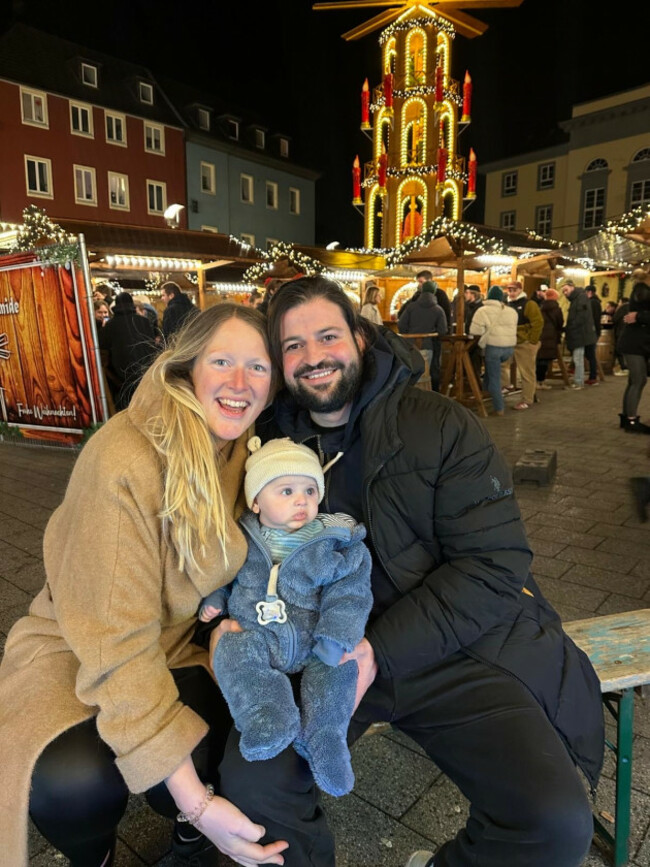
Another Syrian man living in Ireland, Depp Maatouk, also fled because of the war.
“In 2013, Assad killed a number of my friends and family members through a chemical attack near Damascus,” Depp told The Journal.
After losing my eye and injuring my leg, I fled Syria. It’s been almost three years since I moved to Cork, and I’m married to a lovely Irish woman with a son.
Depp (36) said Assad was the “worst thing” that happened to Syria.
Now he is gone, “Syrians are hopeful for change – no more killing and no more imprisonment”.
Depp said four of his cousins were imprisoned by the Assad regime and he hopes they will now be released.
“Hopefully, they will be found among the detainees.”
He plans to visit his family in Syria “if things improve with the new government”.
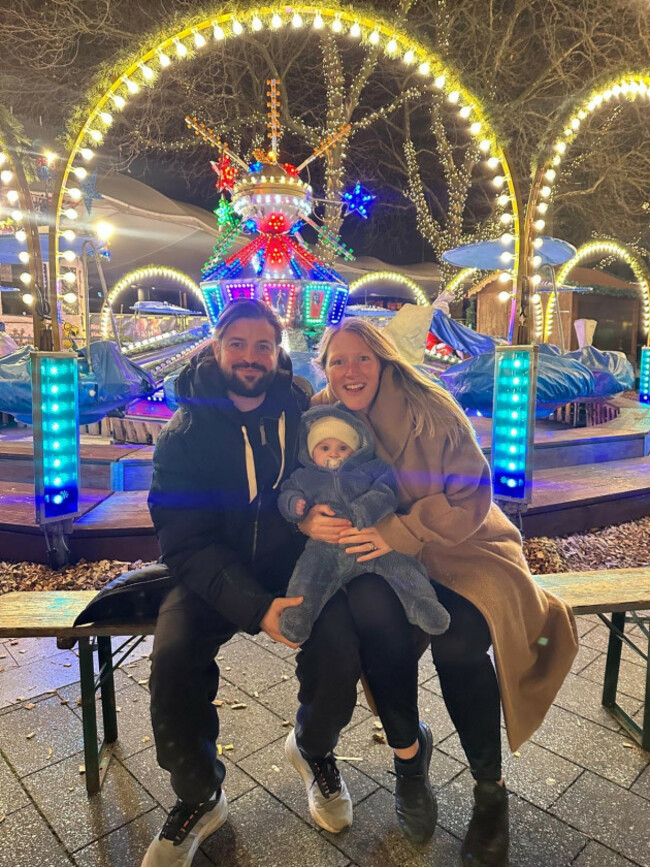
Adam Jazmati, who lives in Drogheda in Co Louth, “said the Assad regime should have fallen years ago, when Syrians courageously stood up against dictatorship and demanded freedom and justice”.
Adam left Syria in 2015, but his mother and sister are still there, “facing the same struggles as many others”.
He told The Journal that Syrians want “dignity and democracy, but those hopes are still unmet”.
“For Syrians to regain their rights and live normal lives, the regime’s fall is essential. The delay has caused immense suffering, with many lives ruined, families forced to flee, and the country left in ruins.”
While Adam is relieved the Assad regime has ended, he told us: “I worry deeply about Syria’s future.
While the end of the Assad regime could bring renewal, we wanted a democratic government, not radical Islamic rebels.
“The path ahead is unclear, and I fear new leaders might fail to meet the people’s needs.”
Adam said he may return to his homeland one day, but is “unsure if or when that will happen” due to safety concerns.
He has twin boys who are nine years old and “see Ireland as home”.
“Their lives and identities are deeply tied to this country. This makes my connection to Syria complicated — full of hope for its recovery but shaped by the realities of building a new life elsewhere.”
Another Syrian living here, Firas, expressed concerns about the Irish government’s decision to pause asylum applications, which disproportionately impacts Syrians.
Earlier this week, the Department of Justice confirmed that final decisions on international protection applications from Syrian nationals are being temporarily paused.
The move brings Ireland closer in line with Britain, Germany, France and a number of other European countries who have moved to freeze all pending asylum requests from Syrians.
Minister for Justice Helen McEntee said in a statement that the International Protection Office would temporarily pause the issuing of final determinations while the situation in Syria is “kept under review”.
The issue was due to be discussed at a meeting of European Union Justice and Home Affairs Ministers today.
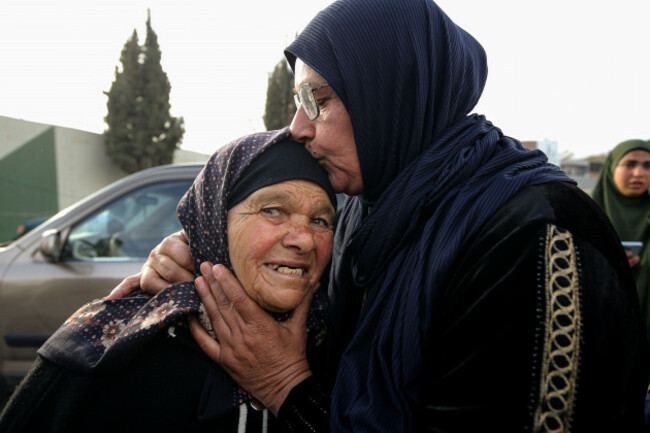
“While many of us are relieved that the Assad regime’s dictatorship and brutality are being challenged, this decision by the Irish government seems to cater to far-right and anti-immigrant movements rather than reflect informed policy,” Firas said.
“This decision comes at a time when Syria continues to face profound instability. Israel, Turkey, and the US are actively bombing parts of Syria, and the newly emerging power structures in the country have affiliations with extremist groups like al-Qaeda.”
Firas fears that Kurdish forces will likely “eventually fight the groups loyal to Turkey”.
For many Syrians abroad, including myself, this is a deeply worrying reality.
Firas is not an asylum seeker, but said the decision to suspend asylum applications at this time “feels like a rejection of our humanity”.
“It sends a message that Syrians are viewed as burdens rather than people in need of compassion and support.
“It is disheartening to see Ireland — a country with its own history of displacement and emigration — turn its back on those who are seeking refuge from war and persecution.”

To embed this post, copy the code below on your site













have your say