Sign in. It’s quick, free and it’s up to you.
An account is an optional way to support the work we do. Find out more.
Sign in. It’s quick, free and it’s up to you.
An account is an optional way to support the work we do. Find out more.
TÁNAISTE SIMON HARRIS yesterday published a broad outline of the updated Occupied Territories Bill as he endeavours to soon include services amongst prohibited trade activity.
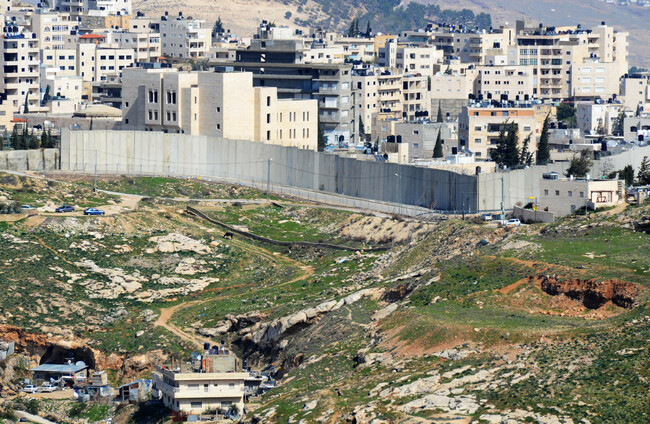
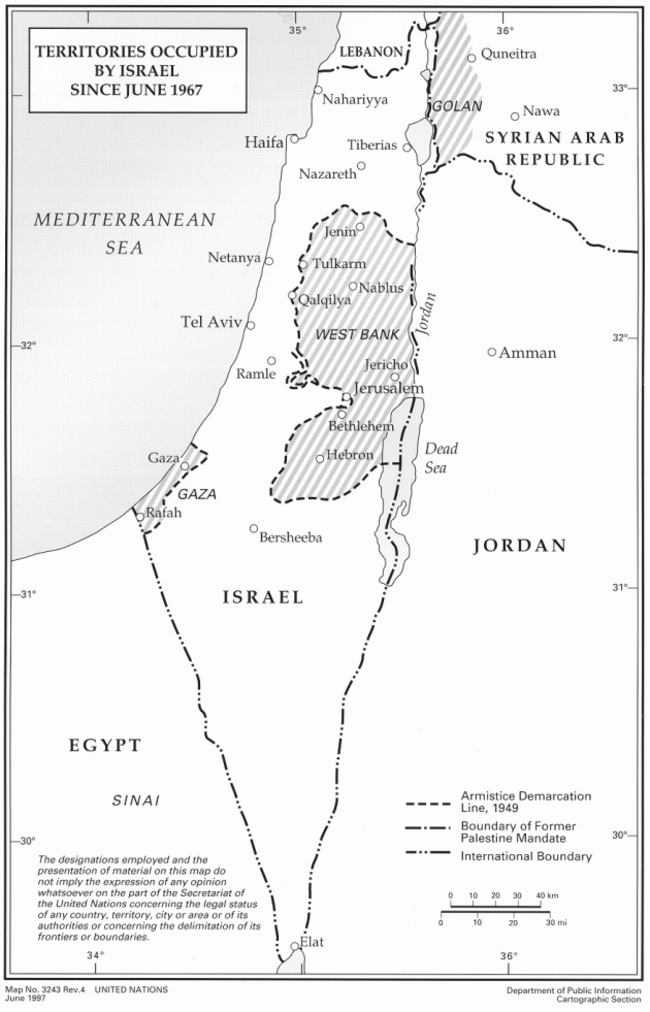
Ireland is the only EU country seeking to pass legislation sanctioning trade with businesses located in Palestinian land that is under the military control of Israel since its declaration of independence in 1967 – otherwise known as the Occupied Territories.
These territories include the West Bank, East Jerusalem, the Gaza Strip and the Golan Heights in southwest Syria.
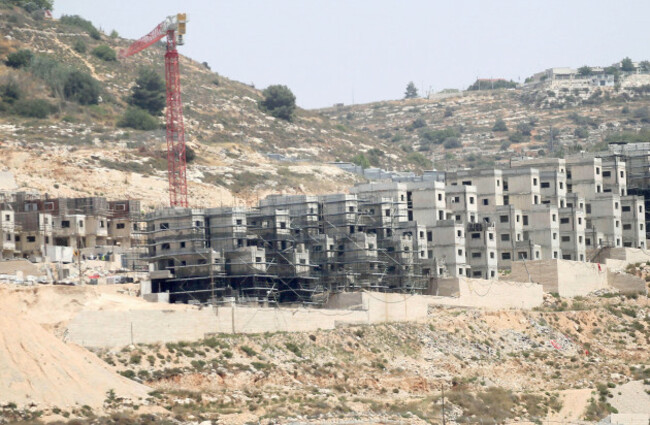
Israeli settlements in the territories are illegal under international law, as laid out in Article 8 of the Rome Statute of the International Criminal Court which stipulates that the transfer by a state of its own citizens into the land of another territory is illegal.
This has been happening in the Occupied Palestinian Territories – particularly in the West Bank – for decades.
The Occupied Territories Bill was first introduced by Independent Senator Francis Black in 2018 and proposed making it an offence “for a person to import or sell goods or services originating in an occupied territory or to extract resources from an occupied territory in certain circumstances”.
The slightly amended bill proposed now by the Tánaiste, and formally known as the Israeli Settlements in the Occupied Palestinian Territory (Prohibition of Importation of Goods) Bill, would make it a crime under the Customs Act 2015 to import goods into Ireland that originate in Israeli settlements built over what is legally recognised as Palestinian land.
However, services such as tourism and IT are as of yet excluded in the latest draft of the legislation.
An estimated 700,000 Israeli settlers currently live in settlements in the West Bank and East Jerusalem, which were seized by Israel in during the Six Day War in 1967.
At present, Ireland is Israel’s second largest trading partner after the US, purchasing €2.9 billion of its total exports, according to data from the Central Statistics Office.
In its current form, the Bill only applies to goods imported from the Occupied Territories.
The broad outline published by the Tánaiste yesterday breaks down the proposed terminology.
Parties found to be importing goods that are subject to prohibition under the Bill will be subject to punishment as outlined in Section 14(1) of the Customs Act.
The Government has faced backlash for not including services in its recent outline of banned imports, with Labour accusing the Taoiseach of instead publishing a “retreat”.
Micheál Martin has commented on the difficulty of incorporating services into the Bill, stating that it is “genuinely more complex than goods transferring” due to issues over defining where the service originates.
However, Simon Harris has vowed to seek their inclusion in an enhanced version of the Bill due to go before an Oireachtas committee for examination.
“Let’s not forget one thing before we get into the detail of the legislation, there isn’t another country in the European Union that you can visit today and ask a government minister about their Bill to ban trade and the detail of it, because they don’t have one,” Harris said.
He is also understood to be looking for a second opinion from the Attorney General on the legalities surrounding the inclusion of services before passing it through to the pre-legislative stage.
To embed this post, copy the code below on your site














have your say