Sign in. It’s quick, free and it’s up to you.
An account is an optional way to support the work we do. Find out more.
Sign in. It’s quick, free and it’s up to you.
An account is an optional way to support the work we do. Find out more.
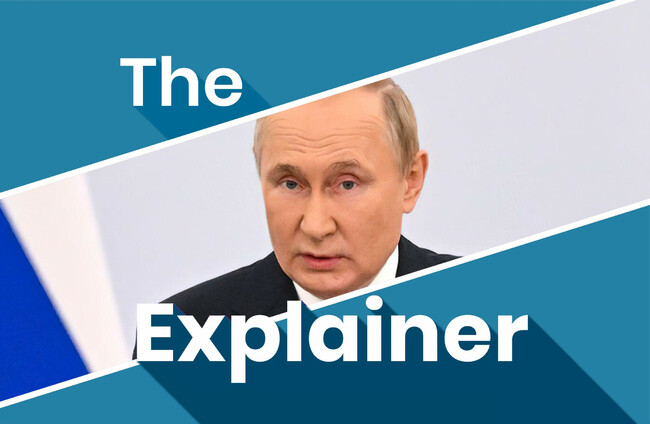
RUSSIAN FORCES LAUNCHED a new wave of deadly strikes on Ukraine earlier this week, including on the country’s capital Kyiv.
It came just days after an important bridge between Russia and Crimea was struck.
Attacks have continued, and Ukrainian President Volodymyr Zelenskyy has continued to plead with the international community for advanced weaponry to combat future missile attacks.
A US-led group of around 50 countries held talks at the NATO headquarters in Brussels today, where they vowed to deliver new anti-missile systems to Kyiv.
Meanwhile, yesterday the United Nations General Assembly voted overwhelmingly to condemn Russia’s annexation of parts of Ukraine, sending what US President Joe Biden said was a “clear message” that Moscow could not erase a sovereign state.
While this is all ongoing, there are growing concerns about Russian President Vladimir Putin’s tactics. He recently announced conscription into the army in Russia; he’s been accused of sabotaging the Nord Stream gas pipelines; and there are serious fears about the threat of an escalation to some kind of nuclear attack.
So what do Russia’s recent actions in this conflict tell us about Putin’s strategy? And how worried should we be about the nuclear threat?
Returning to the podcast to help explain is Senator and retired army officer Tom Clonan.
https://soundcloud.com/the-explainer-podcast/what-will-putins-next-steps-be-in-his-invasion-of-ukraine/s-aWz6vXzSH1z?si=e7993f9fbc62413c9a5766cd8e3fa8ca&utm_source=clipboard&utm_medium=text&utm_campaign=social_sharing
This episode was put together by presenters Sinéad O’Carroll and Michelle Hennessy, and producers Aoife Barry and Nicky Ryan.
- Contains reporting from AFP

To embed this post, copy the code below on your site













have your say