Sign in. It’s quick, free and it’s up to you.
An account is an optional way to support the work we do. Find out more.
Sign in. It’s quick, free and it’s up to you.
An account is an optional way to support the work we do. Find out more.
LAST UPDATE | 14 Feb 2025
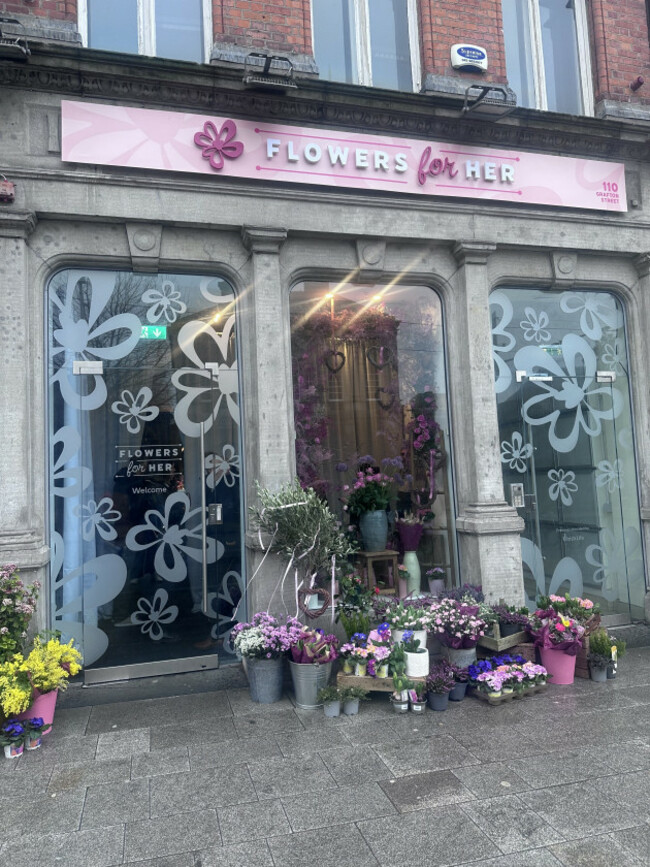
ON GRAFTON STREET, for today only, lies what looks on the outside to be an ordinary flower shop.
Men and women have stopped up at the storefront this morning looking to buy a dozen roses for their Valentine.
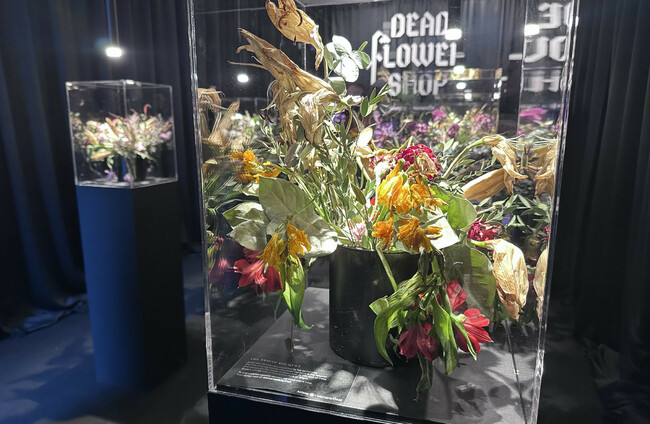
But on the inside, it isn’t a florist’s at all, but an exhibition with bouquets of dead flowers to remember the 274 women killed violently in Ireland over the last three decades.
“If you see the exterior of this shop, which is right on the high street, it looks like a beautiful florist’s, and inside there are beautiful flowers – but the big difference is that they’re all dead or dying. It’s to represent and memorialise all of the women who have lost their lives,” said Sarah Benson, the CEO of Women’s Aid, which is behind the ‘Dead Flower Shop’.
“The majority died at the hands of their current or former intimate partner. And so this is not just to remember these women but it’s to emphasise the urgency of taking action on male violence against women,” she said.
The exhibition features eight individual bouquets, each dedicated to a particular woman who was killed by a current or former partner.
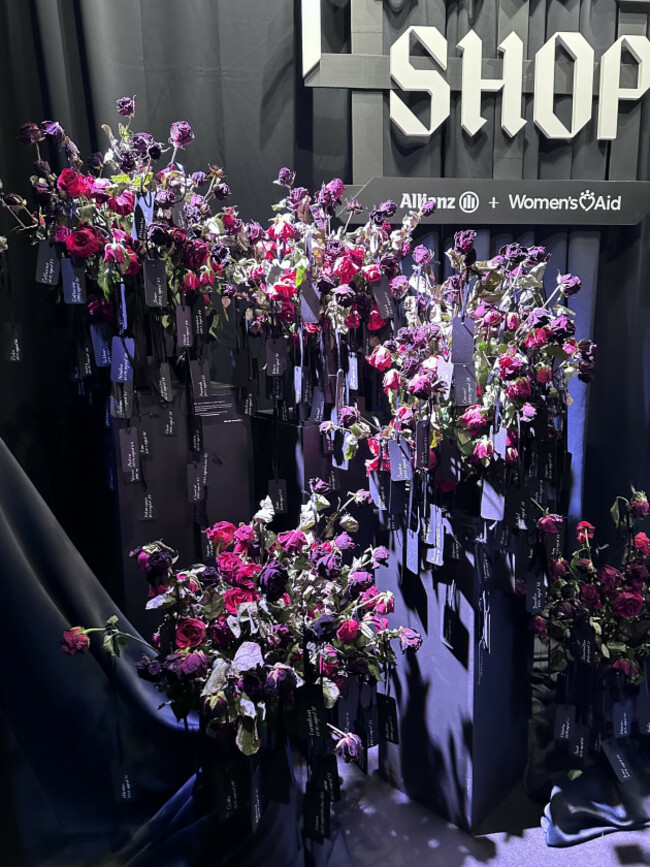
There’s also a larger bouquet of 274 roses to represent and remember each of the 274 women killed in violent circumstances since 1996, when Women’s Aid began keeping a record of their names.
“What we want to memorialise is the women they were, the life cut short. These were mothers, models, doctors – remembering the potential that was robbed,” said Benson, speaking to The Journal at the exhibition this morning.
“Being Valentine’s Day, the idea is to draw in people who maybe are shopping for someone who they care about and they love. It’s early in the morning but we have people knocking on the door coming in, and you can see that the space moves quite quickly from being vibrant flowers to something almost funereal,” she said.
“We don’t want to overwhelm people. We have a little information resource we’re giving them so they can take their time with the exhibit and then find out more if they want.”
To coincide with the exhibition, Women’s Aid and its partner Allianz have launched an online resource for men about how to help address violence against women.
The ‘Ally Action List’ is encouraging men to support women and stand up against violence.
Using the acronym ALLY, it calls on men to reflect and take action:
“It’s not about shame, it’s not about blame. It’s about building that partnership that we know we all need to get to zero tolerance of violence against women,” said Benson.
Around 35% of women in Ireland, more than one in three, have experienced psychological, physical and/or sexual abuse by an intimate partner.
In 2024, gardaí recorded 65,114 reports of domestic abuse, an increase of 9% on the previous year.
At the level of government, Benson said: “We need to keep resourcing the guards, we need to keep resourcing specialist services, and we need to really resource education and prevention so that we can get to the root, particularly for children and young people, because we want them all growing up with healthy, respectful relationships.”
The Women’s Aid National Freephone Helpline is available 24/7 on 1800 341 900.
It also offers contact services through instant messaging and email.
A list of local refuges and support services is available on the Women’s Aid website.

To embed this post, copy the code below on your site









have your say