Sign in. It’s quick, free and it’s up to you.
An account is an optional way to support the work we do. Find out more.
Sign in. It’s quick, free and it’s up to you.
An account is an optional way to support the work we do. Find out more.
EVERY WEEK, WE bring you a round-up of the best longreads of the past seven days in Sitdown Sunday.
And now, every weeknight, we bring you an evening longread to enjoy which will help you to escape the news cycle.
We’ll be keeping an eye on new longreads and digging back into the archives for some classics.
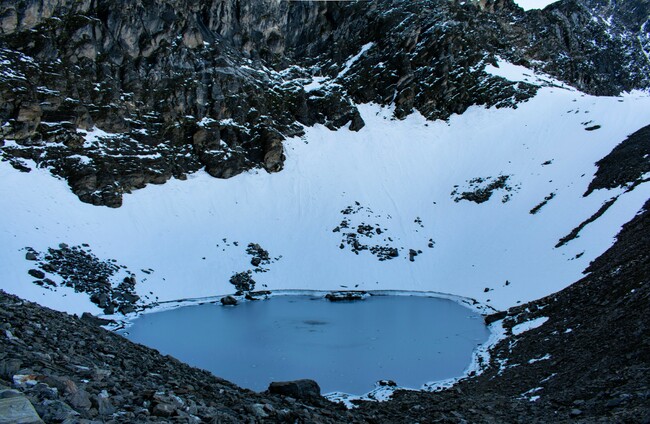
In the 1940s, hundreds of human remains were found at a lake in the Himalayas. Genetic analysis raised lots of baffling questions about their origin.
(The New Yorker, approx 27 mins reading time)
In the decades since Sax first visited, the lake had become a popular destination in the trekking community and the site was being ruined. Bones had been stolen; others had been rearranged in fanciful patterns or piled in cairns. Almost none of the skeletons were intact, and it was impossible to tell which bones belonged together or where they had originally lain. Nature had added to the confusion, churning and fracturing the bones with rock slides and avalanches. But a recent landslide had exposed a cache of fresh bones and artifacts. Under a slab of rock, the team found the remains of a woman, bent double. The body was intact and still had skin and flesh. The scientists removed tissue samples for testing, shot video, and collected bones and artifacts. The team estimated that the area contained the remains of between three hundred and seven hundred people.

To embed this post, copy the code below on your site














have your say