Sign in. It’s quick, free and it’s up to you.
An account is an optional way to support the work we do. Find out more.
Sign in. It’s quick, free and it’s up to you.
An account is an optional way to support the work we do. Find out more.
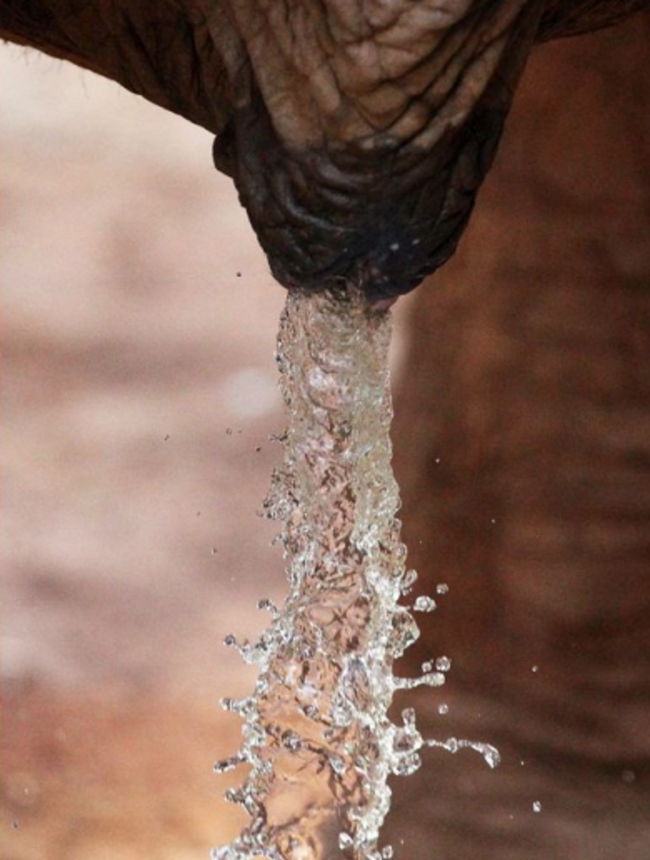
HUMANS SPEND THE same amount of time going for a wee as elephants or dogs.
That’s the gist of some scientific research that yesterday won one of the main prizes at the Ig Nobel Prize ceremony in Harvard University, an unofficial event that celebrates some of the more light-hearted research undertaken worldwide.
The research from Georgia Tech found that all mammals weighing more than 3kg spend about 21 seconds urinating.
The researchers explain that this is because larger mammals have longer urethras and are able to use gravity to create a “higher flow speed” from their bladders.
The researchers also argue that bladder pressure is not as important in creating the speed of urinary flow as previously thought. Instead, they highlight the importance of gravity.
The study says says that, although larger mammals may have bigger bladders to empty, the effects of gravity increase with increasing body size means that the time spent urinating remains the same across as mammal size increases.
Smaller animals, like rats for example, don’t possess the ability to harness gravity and instead urinate in drops instead of a stream.
As part of the study, researchers looked at how a range of different animals do number one.
These include elephants, cows, goats, and dogs. Helpfully, they provided videos of these animals urinating.
Urination of a goat (slowed 17 times)
Urination of a cow (slowed 33 times)
Urination of an elephant (slowed 33 times)

To embed this post, copy the code below on your site















have your say