Sign in. It’s quick, free and it’s up to you.
An account is an optional way to support the work we do. Find out more.
Sign in. It’s quick, free and it’s up to you.
An account is an optional way to support the work we do. Find out more.
IRELAND’S DIRECT PROVISION system needs to be overhauled to protect people who are at risk of sexual violence, the Rape Crisis Network (RCNI) has said.
A report released by the RCNI found that young female asylum seekers and refugees are particularly at risk of sexual abuse.
The document includes information about the sexual violence experienced by 61 individuals – 54 asylum seekers and seven refugees – who attended rape crisis centres in 2012.
They experienced 69 incidents of sexual violence between them, 91% of which involved rape.
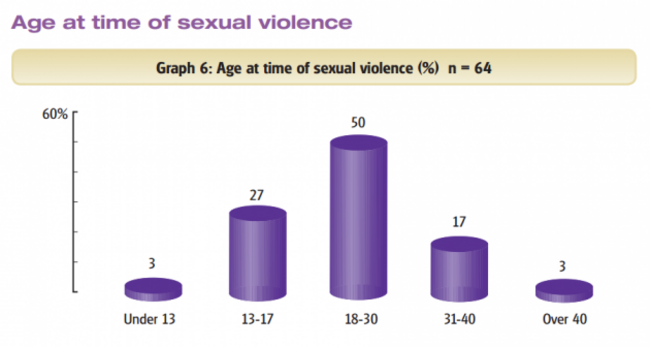
Half of the victims were aged between 18 and 30 when the sexual violence occurred. Three victims were under 13 years of age and 27 were aged between 13 and 17.
Anne Scully, RCNI Chair, said that the provisions in place for many of the survivors who seek asylum in Ireland “can increase [their] distress and vulnerability”.
We need to ensure our asylum process delivers safety and supports survivors to begin their journey of healing.
The population experienced high incidents with multiple abusers, 52% as opposed to 11% for the general population. Some 12% of incidents involved more than five perpetrators.
For female survivors, 14% became pregnant as a result of rape and 67% of these girls and women are now parenting the children.
One in ten incidents involved trafficking or forced prostitution.
The number of incidents reported represents a 44% decrease on 2011, a drop the RCNI puts down to a lack of access to support.
The RCNI said that counselling referrals for victims dropped off as “community and professional supports to this population, particularly those living in Direct Provision, was curtailed”.
The Council said the report highlighted that the Direct Provision system and living conditions exacerbated survivors’ trauma and created “vulnerability to additional sexual violence”.
It has recommended that the amount of time that people live in Direct Provision is reduced; staff are trained in how to help the survivors of sexual violence; and women-only accommodation is introduced.
The RCNI also wants an independent complaints system to be established and for additional psycho-social supports to be put in place for survivors and their families.
The report’s findings include:
The report also found that 99% of perpetrators were male, 46% of which were security forces; 18% were strangers and 5% were sex purchasers. Family members accounted for 8% of perpetrators.
Clíona Saidléar, RCNI’s Acting Director, said that the report “provides clear evidence that significant reforms are urgently necessary in the Direct Provision system to halt the risk of sexual violence to vulnerable residents and minimise the psychological harm to survivors”.
The Irish State has an obligation under international human rights instruments to insure that refugee and asylum seeker survivors of sexual violence are protected from discrimination and have access to care.
However, we have found that these survivors’ access to rape crisis supports through outreach, innovation and community partnerships, have been eroded by continual cuts since 2008.
Speaking on RTÉ’s Today with Seán O’Rourke earlier, Junior Minister Aodhán Ó Ríordáin said that he hopes to have the final report from the working group set up to examine the system of Direct Provision by Easter 2015.

To embed this post, copy the code below on your site















have your say