Sign in. It’s quick, free and it’s up to you.
An account is an optional way to support the work we do. Find out more.
Sign in. It’s quick, free and it’s up to you.
An account is an optional way to support the work we do. Find out more.
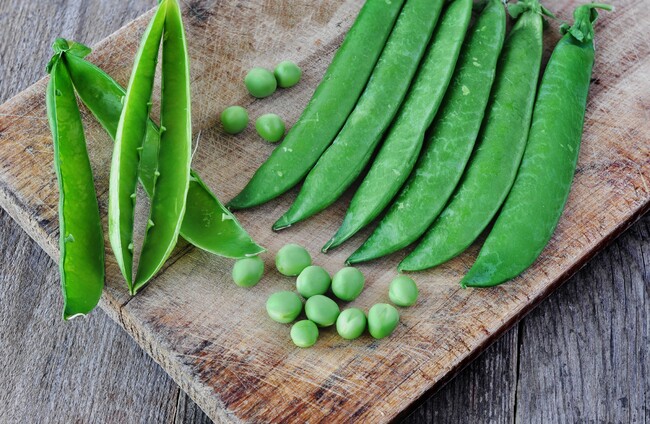

PEAS PRODUCE A relatively small and high-hassle yield from the space they occupy – so why grow them? Well, they are almost never available in the shops fresh, always frozen.
As soon as a pea is picked from the plant, the sugars inside it start to turn to starch, which means the flavour starts to deteriorate immediately. Peas that are cooked immediately after picking will always taste nicer than the frozen alternative.
They are also a wonderful crop for kids to grow, with an easy-to-handle seed that grows quickly. Your kids will love picking the pods themselves in the garden and popping out the little peas from inside. Come to think of it, you will love that too.
Sowing
Peas can be sown direct in the soil, or in module trays for later transplanting. I sow my main crop (in April) direct in the soil, but usually do an early sowing in a length of guttering indoors for later transplanting.
If sowing direct in the soil, make sure the temperature is consistently above 10 degrees celsius. Dig a trench 15cm wide and 4cm deep and place the peas on the surface in two staggered rows (or in a zigzag pattern) at least 5cm apart.
Cover the trench over with soil, and tamp the soil down with the back of a rake. You can enjoy fresh peas from May to October if you succession sow (do at least two sowings – late March/early April and late May).
Growing
Peas are hungry plants – dig in well-rotted manure or compost the previous winter and apply a good quality organic fertiliser just before sowing. Once they get going, however, you won’t need to feed them as peas are nitrogen “fixers” – they can take nitrogen from the air.
Peas do need support, though. An effective support is to run lengths of chicken wire between posts with rows of peas on either side. You can also use “peasticks” (lengths of hazel). Pea plants send out little tendrils that grasp at anything they can find for support.
Water well then when they are flowering (if it’s dry).
Harvesting
Peas are usually ready to harvest about three to four months after sowing. Harvest regularly to encourage pod production.
Pinch off the growing tip of the plants when the first pods are ready – this will encourage the plant to focus on pod production.
Most peas are taken from the pods to eat, but with mangetout and sugar snap peas the whole pod is eaten. Once the plant is finished, cut it down but leave the roots in the soil – the nitrogen that the plant has taken from the air is “fixed” in the soil.
Recommended varieties
Greenshaft – high yielding with excellent flavour
Delikett – great sugar snap pea around 65cm tall
Problems
Mice can often eat the seeds in the soil, which is another good reason to sow early sowings in modules and transplant later. Peas can get powdery mildew in the summer which appears on leaves – use resistant varieties.
GIY tips
Michael Kelly is a freelance journalist, author and founder of GIY.
To embed this post, copy the code below on your site














have your say