Sign in. It’s quick, free and it’s up to you.
An account is an optional way to support the work we do. Find out more.
Sign in. It’s quick, free and it’s up to you.
An account is an optional way to support the work we do. Find out more.
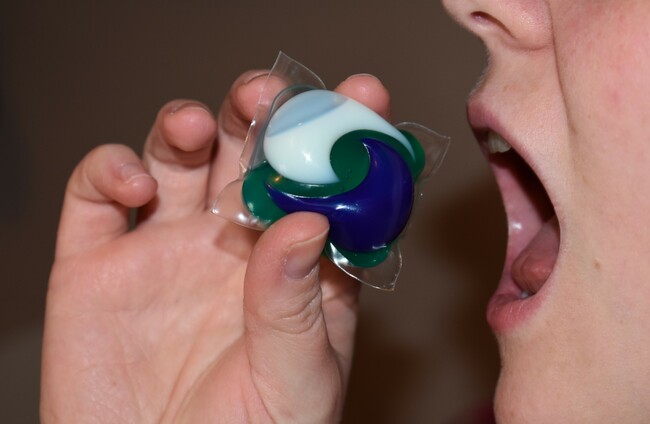
WASHING DETERGENT CAPSULES were the most common household item responsible for queries to the National Poisons Information Centre (NPIC) last year.
The centre received 3,305 enquiries involving poisoning by in 2019, of which 324 related to cleaning sachets or laundry tablets and pods.
The NPIC also received hundreds of queries about bleach liquid (183), disinfectants, antiseptics and sanitisers (125), dishwasher tablets (123) and firelighters (98).
The figures are contained in the centre’s annual report, which is published today and based on data collected from enquiries from members of the public, healthcare professionals and others.
The centre is responsible for providing information to healthcare professionals to assist them in the management of acute poisoning, and also runs the Public Poisons Information Line for members of the public.
Last year saw a 10.5% increase in enquiries to the centre, with 11,835 queries from healthcare professionals and members of the public in 2019.
Almost half (5,830) of those enquiries involved medications, with Paracetamol, Ibuprofen, multivitamins, the anxiety medicine Sertraline and Aspirin the most common ones involved.
Approximately 60% of queries also related to incidents involving children under the age of 10, with those aged between one and four accounting for 45% of all queries.
A further 153 cases were followed-up on account of the severity, potential severity or unusual natures of their symptoms. Of these, 11 patients died, three patients developed permanent conditions, and 23 patients developed short-term conditions.
However, the majority of those cases – 96 patients – had recovered completely by the time they were followed-up on.
NPIC Clinical Director Edel Duggan noted that more than 90% of enquiries involved an incident that occurred in a home setting, and said it was vital that people were aware of the common items that could result in poisoning.
“With people spending more time than ever at home in 2020, we all need to be aware of the household items which could affect children, especially younger children who may not recognise the danger of these products,” she said.
She added that the line was open seven days a week between 8am and 10pm, and urged those seeking urgent advice outside these hours to contact their GP or hospital emergency department.

To embed this post, copy the code below on your site














have your say