Sign in. It’s quick, free and it’s up to you.
An account is an optional way to support the work we do. Find out more.
Sign in. It’s quick, free and it’s up to you.
An account is an optional way to support the work we do. Find out more.
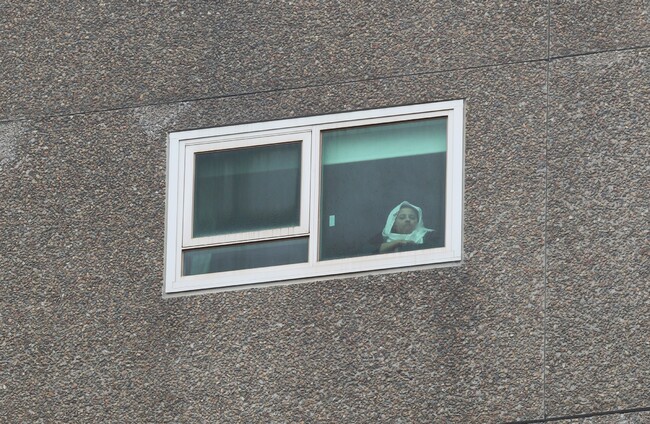
AN AUSTRALIAN WATCHDOG has found that the decision to lock down public housing units in Melbourne was rushed and violated the human rights of 3,000 residents.
Nine public housing towers and two more Melbourne postcodes were put under an immediate “hard lockdown” on 4 July by Victoria’s deputy chief health officer after 108 new coronavirus cases of Covid-19 were recorded.
Detainment lasted five days for most residents, but two weeks for those in the worst-affected tower.
The Victorian Ombudsman Deborah Glass recommended the regional government apologise for the harm or distress caused by the immediate lockdown after her investigation found the immediate start to the detention was not based on medical advice.
Housing Minister Richard Wynne rejected that recommendation, saying the government intervention saved people’s lives.
“We make no apology for saving people’s lives,” he said.
The ombudsman received over 85 complaints relating to the treatment of people living at the public housing towers during the lockdown, and subsequently launched an investigation on 16 July.
The investigation focused on one tower, 33 Alfred Street, as it was subject to the longest period of restrictions.
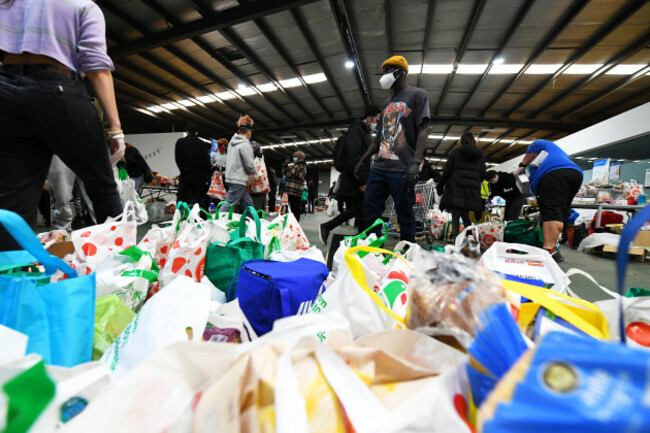
Investigators found attempts to notify residents of the purpose and terms of the lockdown were “delayed or lacking”. Arrangements to supply food relief, as well as health and social supports were “outstanding or just under development” when the lockdown began.
“Of the most concern, translated materials explaining the purpose of the lockdown were not distributed until the fifth and sixth days of intervention.”
Some residents were left to rely on neighbours or community advocates to understand what was happening due to the “unacceptable absence of qualified interpreters”.
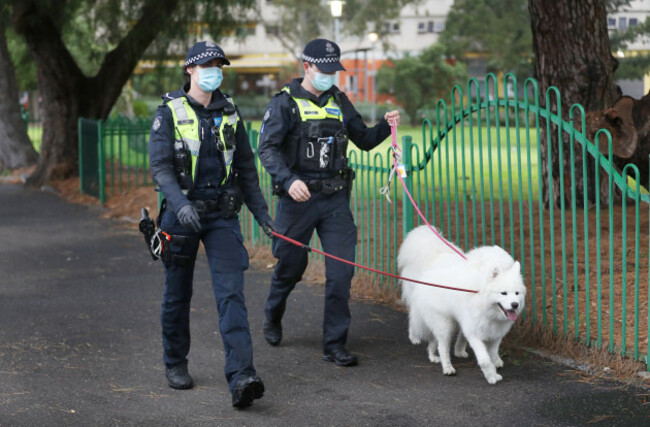
Once the lockdown was underway, residents were not given access to outdoor exercise until the second week. A trial of the ‘fresh air and exercise program’ on 11 July saw residents escorted by police to an area enclosed by temporary fencing.
“This was clearly degrading and inhumane,” the Ombudsman noted.
The watchdog criticised the authorities for the lack of consideration given to how the significant police deployment was likely to be perceived and experienced by residents.
“The involvement of large numbers of uniformed Victoria Police offers in implementing the lockdown was described by residents, advocates and some health workers as both necessary and insensitive to the experiences of many people living at 33 Alfred Street,” the report states.
The ombudsman’s investigation also identified several cases in which urgent requests for medication were delayed or neglected. Some residents were reliant on family or community volunteers to deliver essential supplies.
The investigation concluded that the approach taken was not reasonably necessary and did not appear compatible with the right to humane treatment, with many of the problems stemming from the immediacy of the lockdown.
Glass found that the acting chief health officer was given only 15 minutes to assess the human rights implications of the order.
According to the report, she signed the directive but had not recommended it take effect immediately. She told Glass she did not believe delaying the lockdown by a day would make a huge difference to containing the outbreak.
Days after the lockdown of the towers, the state imposed tight restrictions on the entire city, which were eventually eased after four months.

To embed this post, copy the code below on your site









have your say