Sign in. It’s quick, free and it’s up to you.
An account is an optional way to support the work we do. Find out more.
Sign in. It’s quick, free and it’s up to you.
An account is an optional way to support the work we do. Find out more.
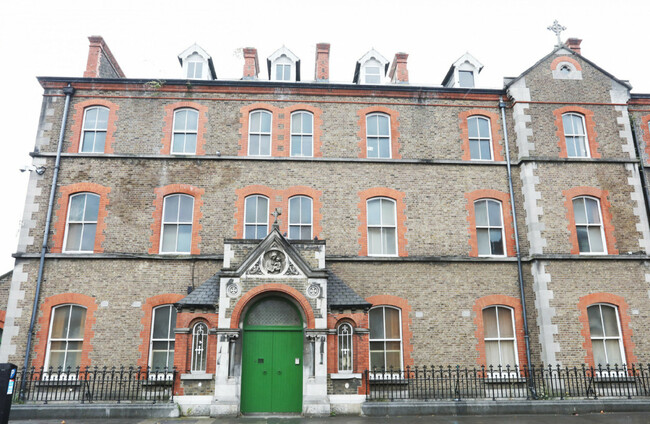
THE GOVERNMENT HAS approved the masterplan for the National Centre for Research and Remembrance campus at the site of a former Magdalene Laundry on Dublin’s Sean McDermott Street.
The National Centre will commemorate those who were resident in Industrial Schools, Magdalene Laundries, Mother and Baby Homes, reformatories and related institutions.
The campus will also include 25 units of social housing, facilities for further and higher education, archive and museum space within the historic convent and chapel buildings and a garden area.
The development of a memorial centre was promised by the Government as part of the Action Plan it devised following the publication of the final report of the Commission of Investigation into Mother and Baby Homes in January 2021.
Social housing at the site will be configured to universal design standards in order to be appropriate to the needs of older people and people with disabilities within the North East Inner City.
A public consultation on the masterplan will run until 15 September, allowing interested individuals to complete an online questionnaire or submit a written submission to the Department of Children.
Speaking today, Taoiseach Leo Varadkar said:
“The development of the Sean McDermott Street site is extremely important, both as a site of conscience honouring survivors of institutional trauma, and as a significant investment by Government in the economic and social regeneration of Dublin’s North East Inner City.”
“As well as recognising and learning from our past, we are taking the opportunity to help build a brighter future for the community of the North East Inner City.
“It is entirely fitting that the National Centre for Research and Remembrance serves as a lynchpin for wider development of the campus to benefit the local community including: social housing; a lifelong learning hub for further and higher education; and facilities for community-based family and parenting services.”
The government also approved proposals to appoint a Special Advocate for Survivors who will facilitate engagement with survivors both in Ireland and abroad.
The Special Advocate will be operationally independent of the Department of Children, and will be supported by an Advisory Council of survivors.
The National Centre will include digital access to some records and exhibits and physical sites will be developed elsewhere in the country, including in partnership with some local museums, to enable survivors to visit more easily.

To embed this post, copy the code below on your site

















have your say