Sign in. It’s quick, free and it’s up to you.
An account is an optional way to support the work we do. Find out more.
Sign in. It’s quick, free and it’s up to you.
An account is an optional way to support the work we do. Find out more.
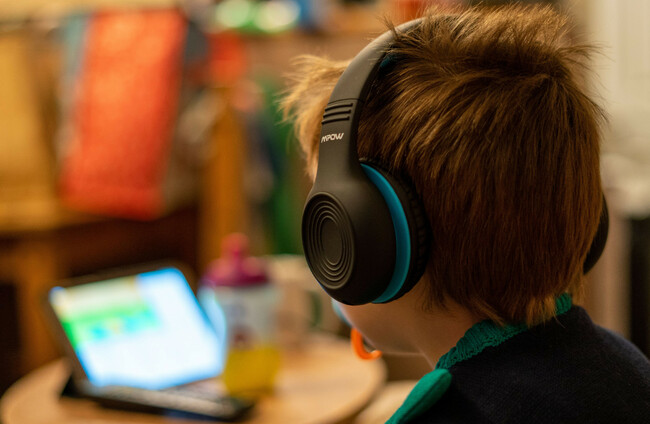
A QUARTER OF 8-14-year-olds struggle to spend time away from gaming and social media as new research suggests it may be difficult for the cohort to put them down.
Over 7,000 children were surveyed by CybersSafeKids, Ireland’s child online safety charity, as part of the new study into the attitudes and feelings towards screen time.
More than half (53%) of children aged 8-12 years old and 65% of 12-14-years-olds told the survey that they believe they spend too much time on screens.
An overwhelming majority of the children attributed positive emotions towards social media and gaming as well.
CyberSafeKids said the positive emotions indicate that an all out ban on screens and internet use is not possible.
Some children – particularly secondary school-aged girls – did report negative feelings, such as tiredness, jealousy, anxiety and fear.
Many children said they believe they “spend too much time” on social media and games. This was over half of kids aged 8-12 and two thirds of those aged 12-14.
The same number of children said they felt they could not put their devices down for long periods of time.
To counter this, the charity are proposing a ‘Cyberbreak’, where the use of all devices connected to the internet are banned.
The break will begin at 5pm this evening and will continue until 5pm tomorrow.
CyberSafeKids CEO’s Alex Cooney said that while the internet does bring many benefits, it can often become “too all-consuming”.
She said that the Cyberbreak is aimed at making people – young and old – reassess how much time they spend online and how many hours they lose for quality family time to “mindlessly scrolling”, admitting she has fallen victim of it too.
Over 50,000 people have signed up to take part in this year’s Cyberbreak, and there is still time to join on the CyberSafeKids website.
Richard Hogan, author and family psychotherapist, and Derek Chambers, the policy lead at the national mental health department in the HSE, have both welcomed the initiative.
Hogan said that more people, but in particular young people, need to take more time to disconnect while Chambers said doing so can help to reduce the anxiety and improve the quality of sleep, which in turn helps to boost mental health for everyone.

To embed this post, copy the code below on your site















have your say