Sign in. It’s quick, free and it’s up to you.
An account is an optional way to support the work we do. Find out more.
Sign in. It’s quick, free and it’s up to you.
An account is an optional way to support the work we do. Find out more.
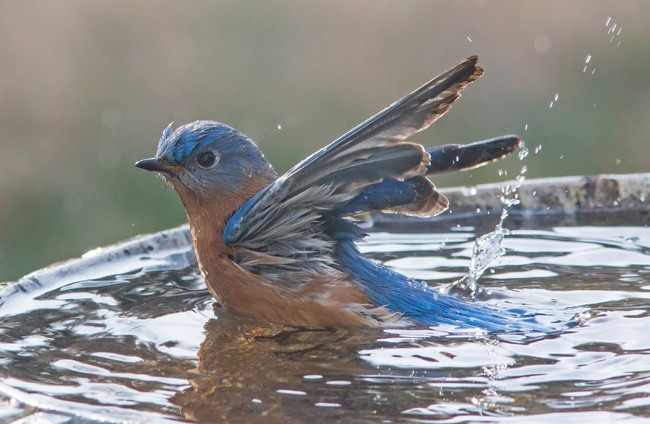
A NEW BOOKLET has been launched to encourage people to promote wildlife in gardens at home, with tips for beginners and those who are more ambitious DIY enthusiasts.
Funded by the Department of Culture, Heritage and the Gaeltacht, the booklet can be posted to people living in Dublin for free by emailing heritage@dublincity.ie and is also available online here. It is available in other areas of the country by contacting your local heritage officer – with details here.
The guide offers plenty of options to help our biodiversity no matter how big or small your garden is, taking a practical approach on ways to support wildlife.
“At this time when we are homebound, we have a unique opportunity to discover the world beneath our feet, in our back gardens and in our locality,” Dublin City heritage officer Charles Duggan said.
The guide offers advice on actions to take to improve gardens for birds, bees, butterflies and bats. They include leaving an “untidy” corner of your garden for nature, leaving roadside verges to grow naturally or allowing the likes of dandelion, willow or bramble a spot in your garden.
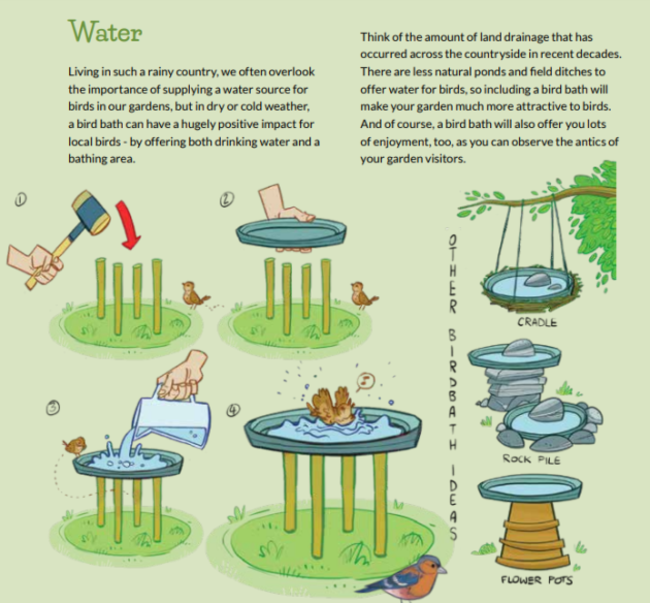
For those more interested in advanced DIY, there’s a step-by-step guide on how to build a bird bath, create a log pile for hedgehogs and mini beasts, and how to install a pond or bog garden.
With an estimated two million gardens in the country, a little action could reap huge dividends for wildlife and biodiversity, according to the booklet’s author Juanita Browne.
“Gardening for biodiversity doesn’t equate to letting your garden go wild, but simply doing things a little differently,” she said. “For instance, when choosing plants to buy in a garden centre, perhaps you could choose plants that have insects on their flowers. Or you could create a wildflower strip around your lawn where dandelions, daisies, clover and other wildflowers are allowed to grow.”
The brainchild of Browne, the booklet was produced by Local Authority Heritage Officers across the country along with help from the National Parks and Wildlife Service and the Heritage Council. It was illustrated by Barry Reynolds.

To embed this post, copy the code below on your site














have your say