Sign in. It’s quick, free and it’s up to you.
An account is an optional way to support the work we do. Find out more.
Sign in. It’s quick, free and it’s up to you.
An account is an optional way to support the work we do. Find out more.
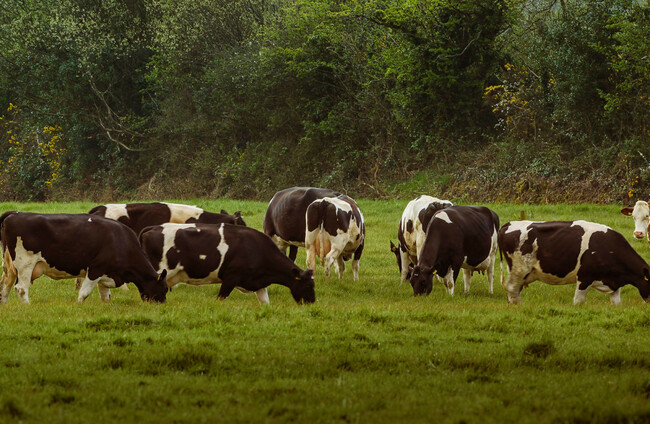
A CASE OF the bluetongue virus has been detected in a herd in Co Wexford, the Department of Agriculture has said.
An unvaccinated 16-month-old heifer tested positive for bluetongue virus serotype 3 (BTV-3) on post-mortem examination.
The department said no clinical signs were detected before the animal’s death.
The case comes as instances of bluetongue in Britain continue to rise sharply – there have been around 800 cases in England, Scotland and Wales since the 2026/27 season began in July.
Control zones and trade restrictions were imposed in Northern Ireland late last year after several cases were detected.
Bluetongue is a viral disease affecting cattle, sheep and other ruminants and is spread primarily by midges.
It does not infect or affect humans and poses no risk to public health or food safety.
The virus can only replicate when average daily temperatures exceed 12C, meaning the summer months represent the main risk period.
The detection of a bluetongue case in Co Wexford in January prompted China to suspend the import of Irish beef.
In a statement, the Department of Agriculture, Food and the Marine said the latest case in Co Wexford was the first instance of “BTV-3 detected in Ireland where infection occurred in 2026”.
“This indicates the importance of submitting unexplained mortalities to the department’s regional veterinary laboratories,” it added.
“The department would like to remind farmers that have not vaccinated that they should talk to their private veterinary practitioner in deciding whether vaccination is appropriate for their herd.
“It is still worth considering vaccination against BTV-3 at this stage. Vaccination remains the most effective measure against the disease.
“BTV-3 is currently circulating extensively in Great Britain.
“There are reports of multiple cases with a variety of clinical signs including mortalities in cattle and sheep, with cases remaining concentrated in southwest England and Wales. There also have been recent detections in Scotland.”
There are currently three BTV3 vaccines approved for use in Ireland.

To embed this post, copy the code below on your site












have your say