Sign in. It’s quick, free and it’s up to you.
An account is an optional way to support the work we do. Find out more.
Sign in. It’s quick, free and it’s up to you.
An account is an optional way to support the work we do. Find out more.
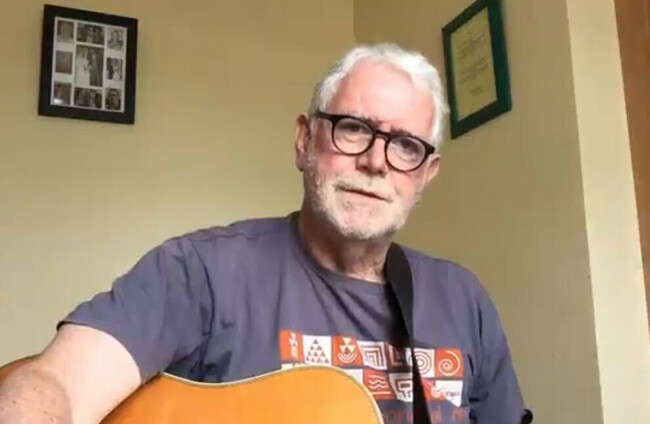
CHARLIE MCGETTIGAN HAS said he plans to hand back his Eurovision trophy in solidarity with the 2024 winner.
Yesterday, Nemo handed back their award due to Israel’s continued participation in the competition.
Nemo won the 2024 edition on behalf of Switzerland but said they “no longer feel this trophy belongs on my shelf”.
In a statement on social media, Nemo said “Eurovision says it stands for unity, inclusion, and dignity for all”.
However, they added: “Israel’s continued participation, during what the UN’s Independent International Commission of Inquiry has concluded to be a genocide, shows a clear conflict between those ideals and the decisions made by the EBU.”
“That’s why I’ve decided that I’m sending my trophy back to the EBU headquarters in Geneva.”
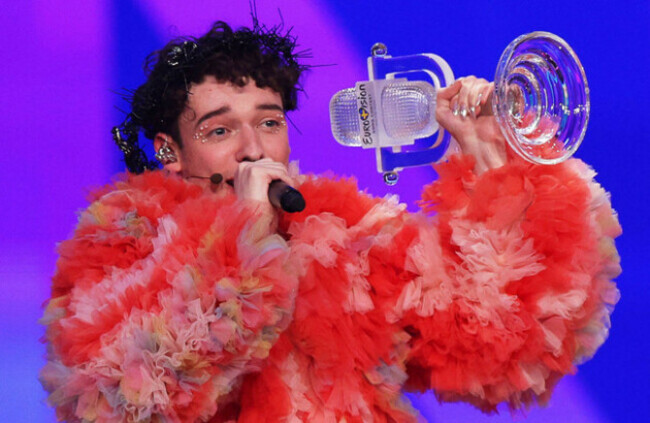
Nemo added that their decision “comes from care for the values Eurovision promises, not from rejection of the people who make it special”.
In a video message to social media today, McGettigan noted that Nemo had handed back his trophy in protest against the inclusion of Israel in next year’s competition and said that he plans to do the same.
📣 We are delighted to announce that 1994 Eurovision winner for Ireland Charlie McGettigan has decided to hand back his trophy to the EBU in protest at apartheid Israel's continued participation in the contest! #BoycottEurovision pic.twitter.com/TuJeQWUsuO
— IPSC (@ipsc48) December 12, 2025
McGettigan won the Eurovision in 1994 with Paul Harrington with ‘Rock ‘n’ Roll Kids’, a song that was written by Brendan Graham.
However, McGettigan noted that he won the Eurovision back in 1994, over 30 years ago, and that he can’t currently locate the trophy.
“But if I do find it, I will return my trophy as well.”
On Wednesday, Iceland became the fifth country to withdraw from next year’s Eurovision after a decision to allow Israel to compete.
Almost immediately after it was confirmed that Israel would take part in the Eurovision, Ireland, Spain, the Netherlands and Slovenia announced that they would be withdrawing from the contest.
The European Broadcasting Union (EBU), which organises the annual competition, had expressed hope that these changes would be enough to persuade national broadcasters to participate in next year’s event in Austria.
Among the changes was a limit to the number of times people can vote and the discouragement of “disproportionate promotion campaigns” by “governments or governmental agencies”.
The changes came after an Israeli government agency paid for adverts targeting this year’s Eurovision public vote.
EBU members met last week for a potential vote on Israel’s participation in the Song Contest.
However, the EBU said a “large majority of members agreed that there was no need for a vote on participation” given the rule changes and that the Eurovision “should proceed as planned with the additional safeguards in place”.

To embed this post, copy the code below on your site









have your say