Sign in. It’s quick, free and it’s up to you.
An account is an optional way to support the work we do. Find out more.
Sign in. It’s quick, free and it’s up to you.
An account is an optional way to support the work we do. Find out more.
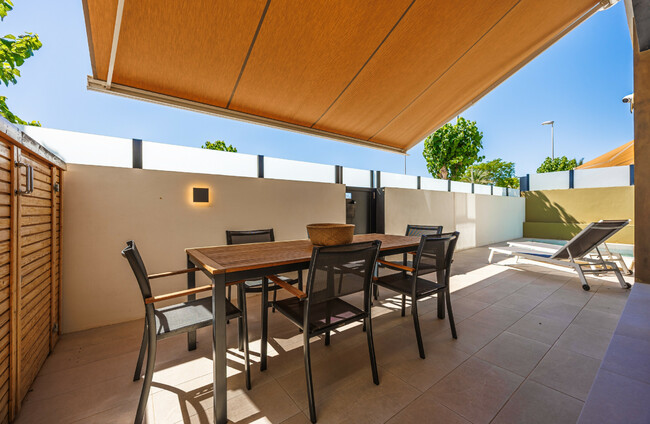

IN THE BIG Reno Clinic series, Houses to Restore QS Shay Lally provides answers and solutions to the big (and little, but important) questions you may have about making the most of your home.
Send your question for Shay to reno@thejournal.ie
After the summer we’ve just had, we’re trying to figure out ways to keep our A-rated home cool during the warmer months. Please advise.
After this summer, a lot of homeowners are asking the same thing. So let’s look at what’s actually causing it, how good design prevents it, and what you can do before next summer.
Short answer: it’s not really an A-rating problem — it’s a glass and ventilation problem. The heat you’re feeling is solar gain: too much heat coming through the glass, with nowhere to go once it’s in.
I put the question to a few people who deal with this daily. Kieran McCarthy of KMC Homes puts it simply: “Solar gain means there’s too much heat coming in through the glass” and he’s clear that this is a modern design issue and not something that’s unique to A-rated homes.
Fergal Cantwell of Envirobead adds that new builds and retrofits have fewer draughts and minimal ventilation, so the air inside has nowhere to move and turns stale. Architect Brian Guckian sums up the result: new homes are airtight, meaning that the heat that gets in struggles to get back out.
The solution?
This needs to be solved at the design stage and not retrospectively. Brian’s view is that glass specification is rarely thought through properly during design and he confirms that solar-neutral glass is what’s actually needed.
Kieran makes a similar point about fitting anti-solar-gain film to the glass itself. Both are pointing at the same issue – nobody’s designing for summer, only for winter heat loss.
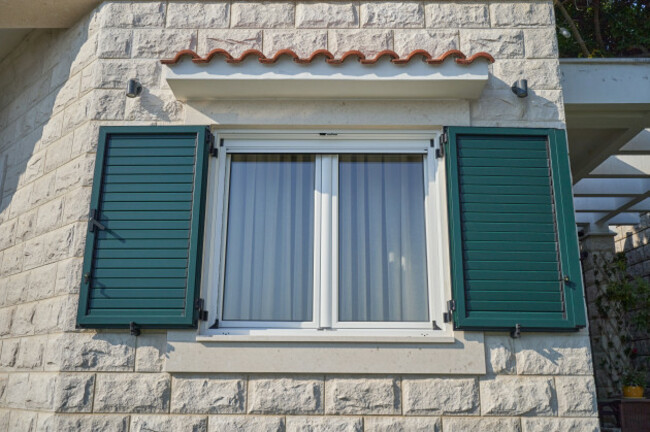
Other design fixes worth knowing about: external shutters, the way many of our European neighbours build as standard, and shading like louvres should be considered at design stage rather than bolted on later. Brian notes that roof overhangs help in summer and winter alike — and that a house’s orientation has to be factored in when you’re planning shading.
And before you reach for air conditioning: Kieran’s advice is to hold off installing it for a few years yet, since it’s genuinely unclear what next summer, or the one after, will bring.
Shay will be back answering your questions next week. Send him your pressing queries on managing a renovation to reno@thejournal.ie.
To embed this post, copy the code below on your site















have your say