Sign in. It’s quick, free and it’s up to you.
An account is an optional way to support the work we do. Find out more.
Sign in. It’s quick, free and it’s up to you.
An account is an optional way to support the work we do. Find out more.
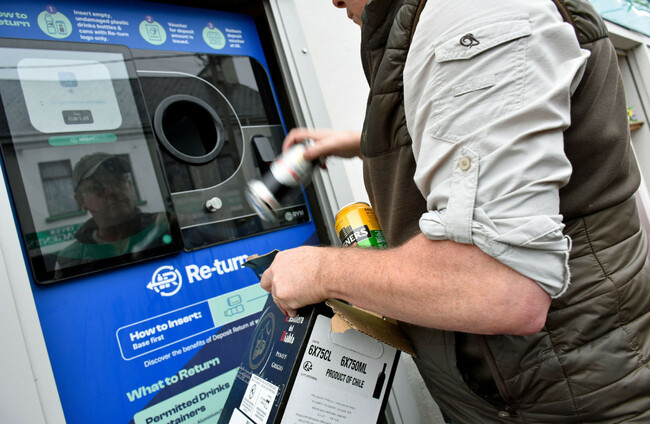
IRELAND’S DEPOSIT RETURN Machines for recycling cans and plastic bottles do not pose biological risk to public health, despite recent concerns, researchers at University College Cork (UCC) have found.
A team led by Dr John Mac Sharry at UCC’s School of Microbiology analysed samples from the machine and found no threat to public health. Their findings come amid public commentary raising concerns that the machine poses issues relating to hygiene and infection control.
“While the call for general cleanliness is valid, it is important to look at the actual microbial ecology of these machines to avoid unnecessary public alarm,” Dr Mac Sharry said.
“My research team has been conducting environmental sampling to analyse the specific microbes colonizing these reverse vending machines. Our data indicates that the organisms present are overwhelmingly “fermenters”—primarily common environmental yeasts and non-pathogenic bacteria that naturally thrive on the trace sugars and alcohol left in unrinsed containers.
“It is absolutely true that these fermenting microbes can produce strong, unpleasant odours, and the sugary residue can attract pests like flies during the warmer months.
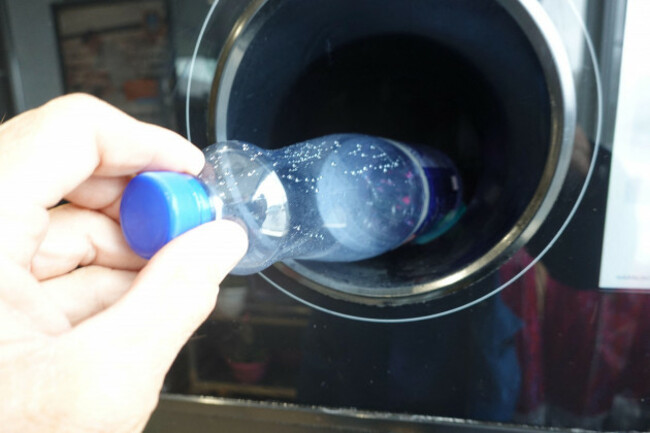
“However, our findings show that these microbes act as a nuisance rather than a direct health threat. They are not the harmful pathogens that typically cause human infection; they are the same harmless organisms found ubiquitously in our natural environment and in food fermentation,” he said.
Dr Mac Sharry warned against causing undue alarm surrounding the risk posed by the machines.
“Framing the maintenance of these machines as an acute infection-control crisis may be disproportionate to the actual biological risk. Standard, sensible hygiene practices are more than sufficient.
“Providing retail staff with basic sanitary guidance—such as wearing gloves when emptying the machines, practicing routine handwashing, and regularly wiping down the units with standard cleaning agents—will effectively manage both the odours and the pest attractants.
“The DRS is a highly successful environmental initiative. By understanding that the core issue is basic hygiene and odour management rather than a hazardous infectious disease risk, we can implement pragmatic, operational guidelines without causing undue anxiety among retail workers and the public,” he said.
To embed this post, copy the code below on your site














have your say