Sign in. It’s quick, free and it’s up to you.
An account is an optional way to support the work we do. Find out more.
Sign in. It’s quick, free and it’s up to you.
An account is an optional way to support the work we do. Find out more.
A SUPERMOON OCCURS when the moon is at its closest to Earth AND at its full stage.
The rare phenomenon has been occurring this weekend, to the delight of stargazers.
Anyone looking skyward last night got a glimpse of the moon as it started to reach its closest point to Earth in its asymmetrical orbit and its full stage.
Tonight, it will once more appear about 14 per cent larger and 30 per cent brighter than when it is at its farthest point away from our planet.
According to Space.com‘s explainer:
On Sunday, 23 June 23, at 11am GMT, the moon will arrive at perigee — the point in its orbit bringing it closest to Earth – a distance of 221,824 miles. Now the moon typically reaches perigee once each month (and on some occasions twice), with their respective distances to Earth varying by 3 per cent.But Sunday’s lunar perigee will be the moon’s closest to Earth of 2013. And 32 minutes later, the moon will officially turn full. The close timing of the moon’s perigee and its full phase are what will bring about the biggest full moon of the year, a celestial event popularly defined by some as a “supermoon.”
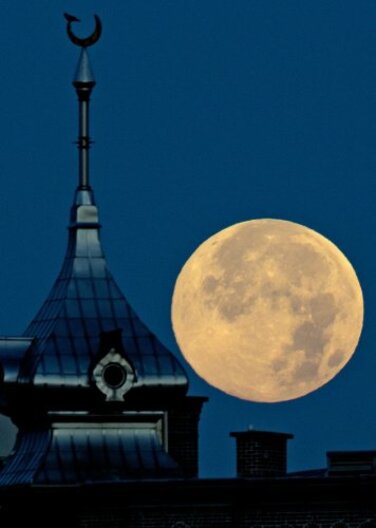
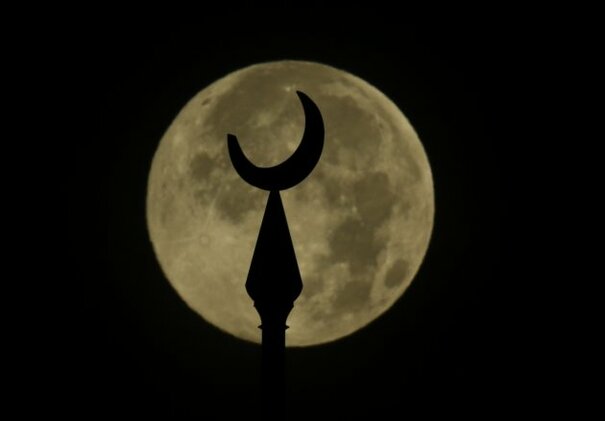
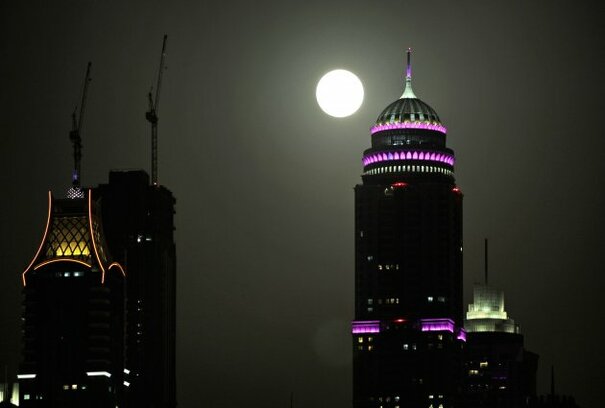
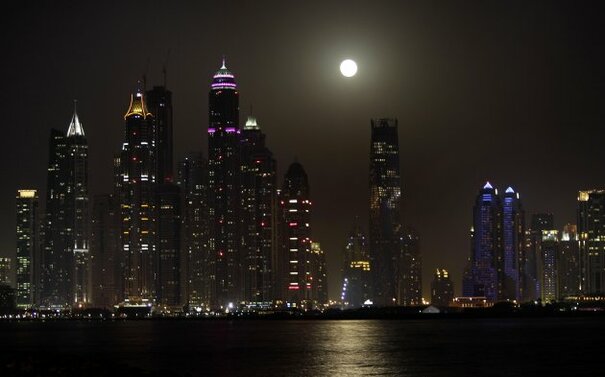
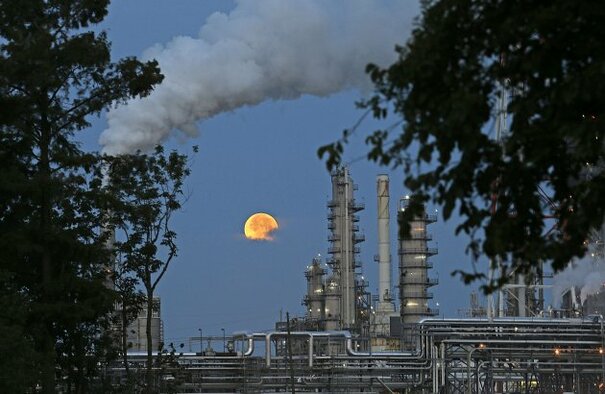
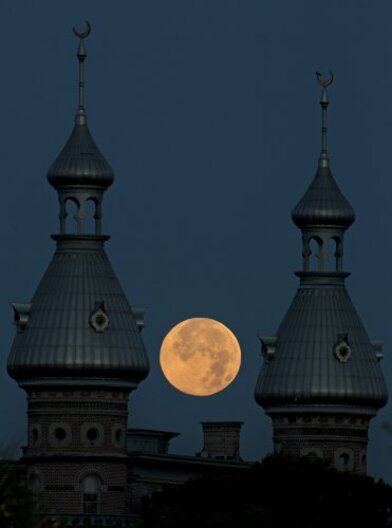
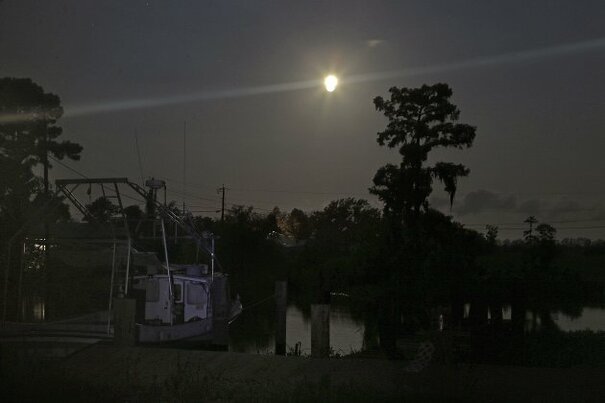
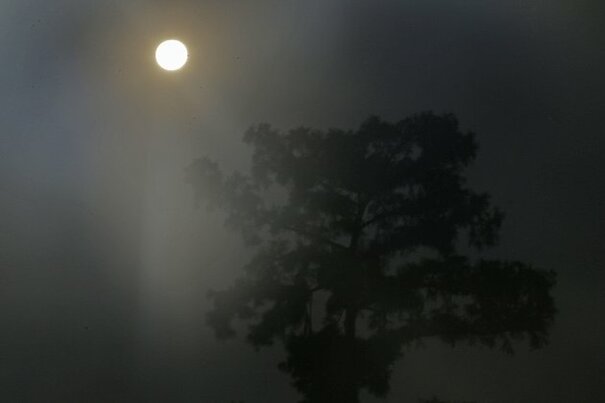
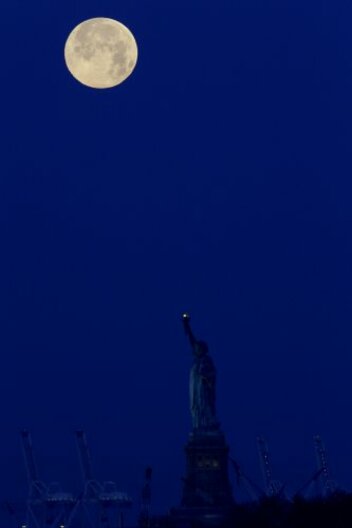
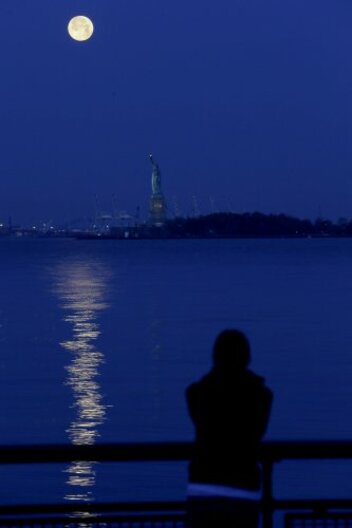
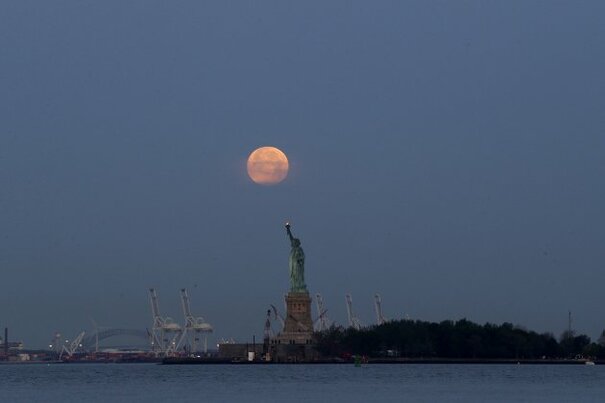
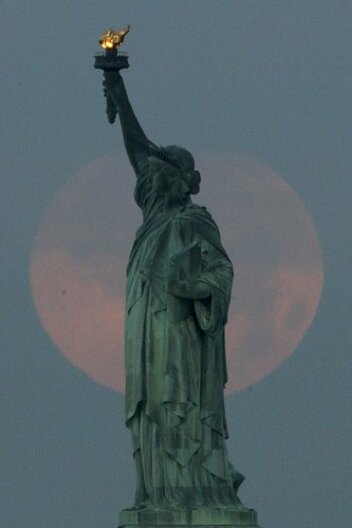
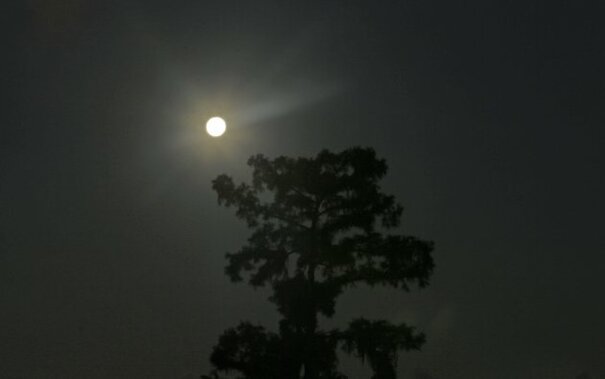
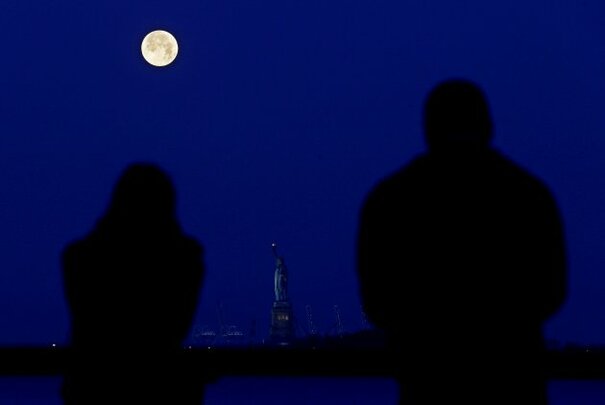
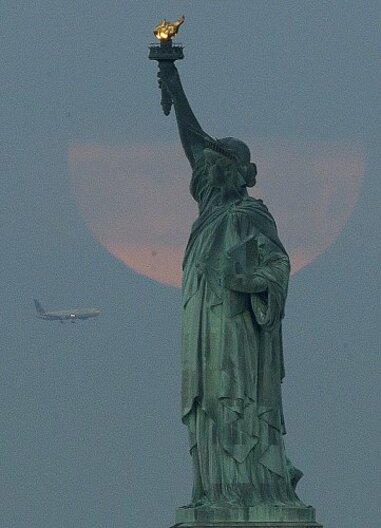
Photographers around the globe have been taking snaps throughout the weekend:


To embed this post, copy the code below on your site














have your say