Sign in. It’s quick, free and it’s up to you.
An account is an optional way to support the work we do. Find out more.
Sign in. It’s quick, free and it’s up to you.
An account is an optional way to support the work we do. Find out more.
ARCHAEOLOGISTS MAY HAVE discovered the place where Neanderthals and modern humans first mated.
The exact time and circumstances regarding how our African ancestors first bred together before making the journey across the continents to Eurasia has long been a mystery, chiefly due to the lack of remains that scientists had to work with.
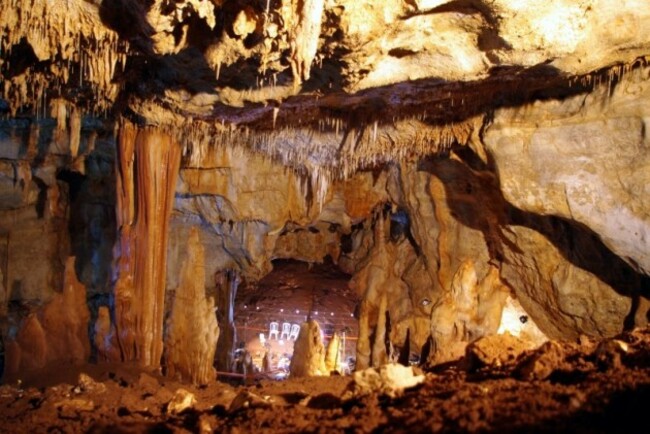
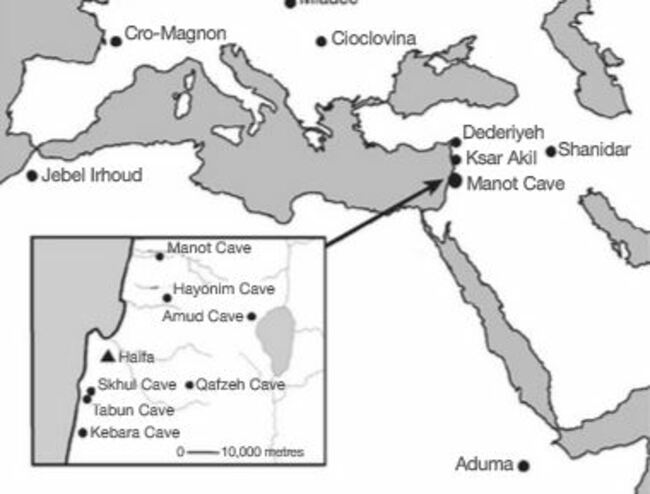
However, the discovery of a 55,000-year-old skull at Manot cave in Western Galilee, Israel may be the final piece in the puzzle.
The skull corresponds to that of a developed European Cromagnon with Neanderthal characteristics, the first such discovery in history.
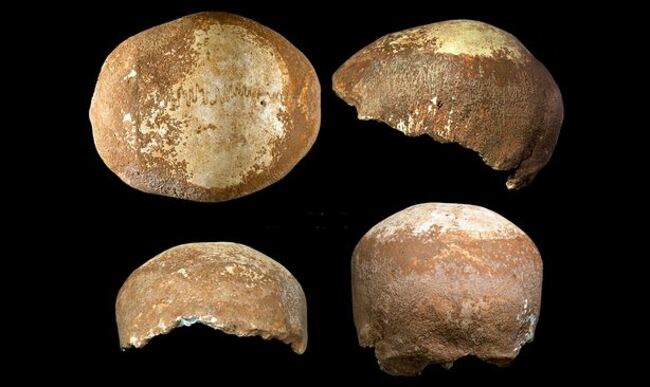
As well as providing a link to how and where modern Europeans first came from, the discovery also suggests that this particular region of Israel 55,000 years ago may have been the first mating ground for Neanderthals and modern humans. Lovely.
“It’s amazing, this is the first specimen we have that connects Africa to Europe,” said Dr Israel Hershkovitz of Tel Aviv University.
Manot is the best candidate for the interbreeding of modern humans with Neanderthals and there is really no other candidate.
The people at Manot cave are the only population we know of that shared the same geographical region for a very long period of time.
Manot cave measures 100 metres in length by 20 metres in depth, but was only discovered when a bulldozer broke through its roof while working on a construction project for a nearby village.
The cave’s original entrance was sealed some 30,000 years ago.
The original study, as published in journal Nature, can be found here.

To embed this post, copy the code below on your site












have your say