Sign in. It’s quick, free and it’s up to you.
An account is an optional way to support the work we do. Find out more.
Sign in. It’s quick, free and it’s up to you.
An account is an optional way to support the work we do. Find out more.
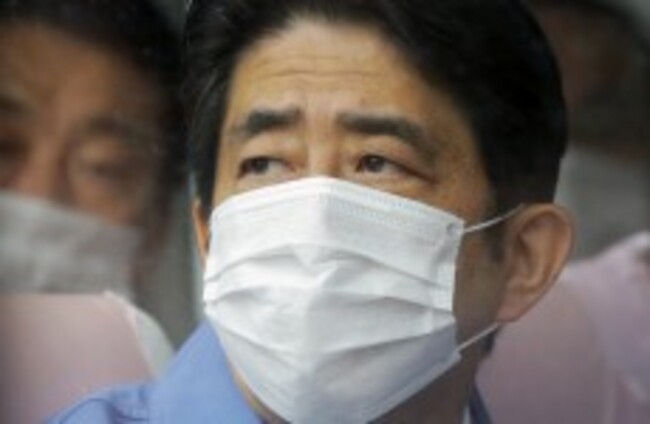
THE CLEAN-UP at Fukushima after its tsunami-sparked nuclear meltdowns is unlike anything humanity has ever undertaken, Japan’s newly-elected prime minister, Shinzo Abe, has said during a tour of the plant.
Abe was at the crippled Fukushima Daiichi just days after being sworn in following the electoral triumph of his pro-business Liberal Democratic Party.
The prime minister’s trip to the still-ruined site is part of a push by his administration to put a lid on the crisis.
Observers widely expect Japan to restart its nuclear programme on the LDP’s watch, despite public concerns that the party was partially responsible for the extent of the catastrophe because of a culture of complicity during its more than five-decade rule.
His government said it would review a pledge by the previous administration to scrap nuclear power within three decades and would give the green light to plants deemed safe by regulators.
Experts have warned, however, that a number of reactors sit above what could be still-active faults, making them vulnerable to quakes.
Underlining Japan’s sometimes precarious position at the meeting point of continental plates, a magnitude 5.1 earthquake hit off the Fukushima coast mid afternoon, US geologists said.
All of Japan’s 50 reactors were shuttered for inspections in the aftermath of the March 2011 disaster at Fukushima, where a tsunami swamped cooling systems, causing meltdowns.
Reactors raged out of control for months, spewing radiation over a wide area and forcing tens of thousands of people to evacuate.
The disaster at Fukushima was the worst nuclear accident since Chernobyl. Efforts to clean up the site in Ukraine continue, more than a quarter of a century after a reactor exploded.

To embed this post, copy the code below on your site











have your say