Sign in. It’s quick, free and it’s up to you.
An account is an optional way to support the work we do. Find out more.
Sign in. It’s quick, free and it’s up to you.
An account is an optional way to support the work we do. Find out more.
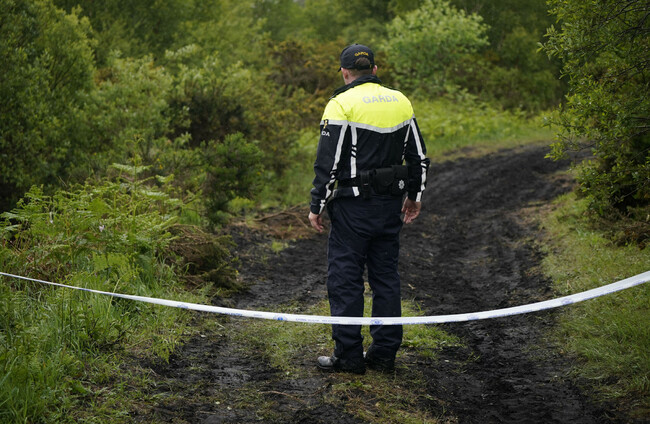
A “MASSIVE ISSUE” remains in An Garda Síochána with poor morale and little action has been taken to address the issue, a Garda union will tell politicians today.
The Garda Representative Association (GRA) and the Association of Garda Sergeants and Inspectors (AGSI) are due to appear before the Oireachtas Justice committee this afternoon.
In their opening remarks, the GRA will launch criticise work by the Government to resolve the problems associated with a new policing management system, and claim that overbearing discipline has forced gardaí to be afraid to act.
Ronan Slevin, the GRA General Secretary, will tell TDs and Senators that the issues have been long identified, but that no action has been taken to ease them.
“There remains a massive issue with morale within the ranks of An Garda Síochána, with little action being taken to address the issue.
“The continuous issuing of policies and procedures which members must comply with, and the excessive use of discipline and suspension has resulted in members being in fear of receiving any form of complaint as there is little trust in the discipline process.
“Sadly, the recently enacted Conduct, Performance and Standards of Professional Behaviour Regulations will do little to dispel that fear,” he will say.
Slevin will raise the issue of the suspension of a Garda for giving a bicycle to an elderly man, and that of another garda in Limerick who was suspended for seven years but who was recently been cleared of any wrongdoing.
He will say that the bicycle case demonstrates how senior gardaí showed a “lack of understanding of how community policing works”.
Slevin will go on to say that staff retention and recruitment targets are being missed because of a failure to implement measures to stop the issue.
“It was once the situation that the best recruiter for a career in the AGS [An Garda Síochána], were the gardaí themselves. Sadly this is no longer the case.
“Exit interviews carried out by the GRA clearly show serious areas of concern among members who have decided to leave the organisation.
“These issues in conjunction with the overall feelings of low morale led recently to a vote of no confidence in the Garda Commissioner. Sadly, little has changed since. Denial of low morale and associated issues continue,” he will say.
In its opening remarks, the AGSI will outline failures to address retention and recruitment issues, community policing, road traffic deaths and the new divisional policing model.
It will also comment on the problems of keeping gardaí and hiring new recruits.
“An Garda Síochána is now entrenched within a cycle of continuous failures to meet recruitment targets year-on-year.
“This failure has not been sufficiently recognised by Government or Garda management with the Government in recent years attributing this to covid, full employment and lifestyle choices,” the group’s opening statement will say.
The AGSI will say that there is a broad failure to recognise the actual “fundamental root causes”. It will also highlight pay and pensions disparity, social media commentary, excessive oversight and bureaucracy, change fatigue, workload and work related stress.
It will also cite industrial relations processes for the poor morale among senior gardaí.
The AGSI statement will also say that a number of initiatives have been implemented, but that these are “short remedies” and are not “radical” enough to solve the problem.
It will strongly criticise the Divisional and Operation Model that was introduced recently, stating that it has negatively impacted the Garda’s relationship with the public.
The model essentially redraws the garda command map across the country, and rather than specific units and areas being led by officers with sole operational command, it places them under an umbrella management system.
AGSI will also claim that international police forces who adopted the model previously have scrapped it and moved back to the more traditional command structures.
“The model has been adapted from Similar policing models internationally, but a fundamental and fatal flaw is that the architects of the Irish version failed to take account of the unique policing and geographical requirements within the jurisdiction.
“The AGSI are now of the view that the current operating model has negatively affected interactive community policing in this country,” the AGSI opening statement adds.
Commissioner Drew Harris appeared last week at the Justice Committee and defended the model, which was criticised by a number of TDs and senators.

To embed this post, copy the code below on your site













have your say