Sign in. It’s quick, free and it’s up to you.
An account is an optional way to support the work we do. Find out more.
Sign in. It’s quick, free and it’s up to you.
An account is an optional way to support the work we do. Find out more.
WHILE SO MANY areas in life this year may have felt like we were taking a step backwards, it’s good to know the men and women in the white coats are striving forward.
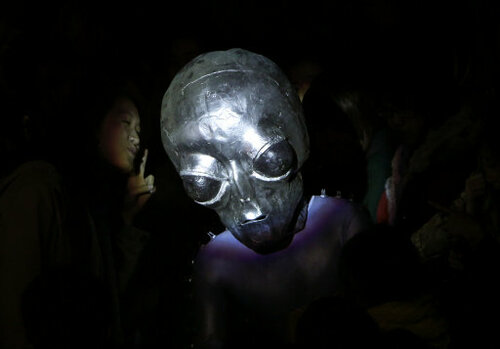
Whether finding potential for new life on other planets, or just improving life on our own one – it was a good year for medicine and science:
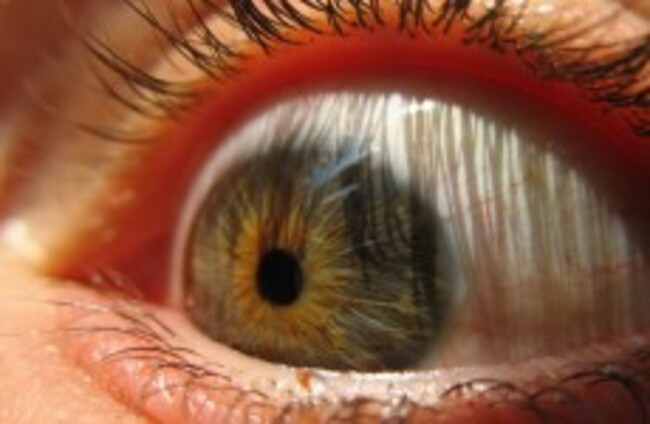
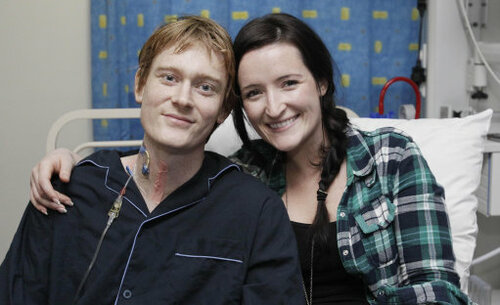
#BIONIC EYE: Pioneering new technology has helped a man who went blind as a teenager to see again. An experimental eye chip was inserted under the man’s retina in Germany, helping him to make out shapes and read letters.
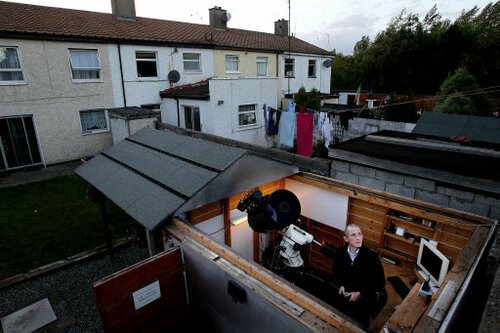
#CHAMPAGNE SUPERNOVA: An amateur astronomer became the first Irish person to discover a supernova. Dave Grennan identified the star explosion from his purpose-built garden shed – and celebrated his find with a nice cup of tea, he told TheJournal.ie.
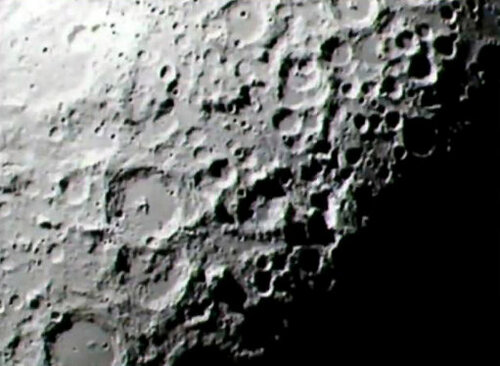
#WATER ON THE MOON: A whole new region has opened for exploration on the moon now that millions of tons of water ice have been discovered at its north pool. NASA saus the supply of lunar ice could potentially produce oxygen or rocket fuel to support a future moon base.
#SIBLING LOVE: A woman performed the ultimate sisterly act by giving her ill brother one of her kidneys. However, teacher Kate Mooney made Irish medical history by donating the organ without having a major operation. Doctors removed the kidney through keyhole surgery.
#SUPERTASTERS: Don’t condemn a picky eater – it turns out they might actually have Selective Eating Disorder. Researchers in North Carolina found that those who are particular about what they eat are not being fussy. They are in fact ‘supertasters’, who taste certain flavours more acutely than the average person.
#NEW LIFE? There was great excitement when NASA made a discovery that they said meant “the definition of life has just expanded”. Astrobiologists found a microbe in a lake in California that appeared to have only five of the six essential components all life on earth has. Unlike everything else, from humans to amoebas, it seemed to be able to exist with toxic arsenic as part of its make-up.
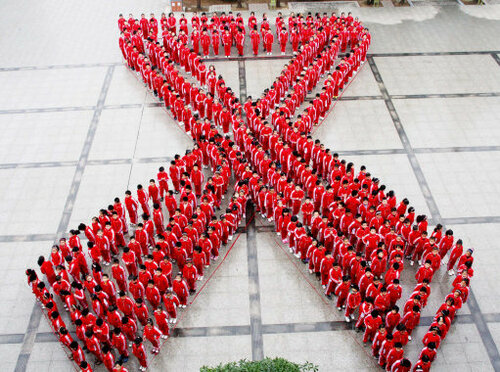
#SPREAD OF HIV A cure for cancer, a cure for AIDS – they are the medical research rallying calls of our time. A study in the New England Journal of Medicine found that trials of a new combination drug called Truvada showed it reduced the chances of male-to-male HIV infection by 44 per cent.
#STEM CELL CURE In more news on the battle against AIDS, doctors believe that a HIV-positive man who underwent a stem cell transplant as part of leukemia treatment has been cured because of the procedure.
#HARRY POTTER CLOAKS The creation of an invisibility cloak could be just around the corner – and it gets better. A team in Imperial College London used something called metamaterials to distort light or sound waves. It literally means an optical invisibility cloak made from these materials could conceal objects, or EVENTS.
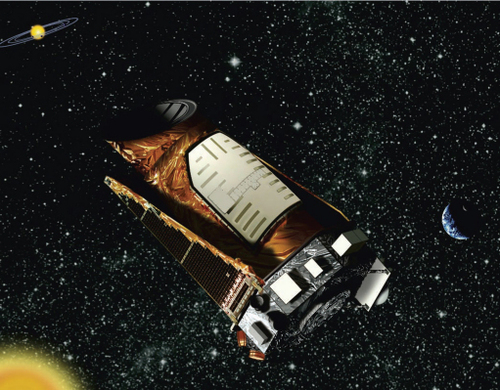
#TO INFINITY AND BEYOND NASA’s Kepler telescope has found that nearly one in four stars similar to the Sun may host planets as small as Earth – and that potentially habitable planets could well be out there, favourable for life.
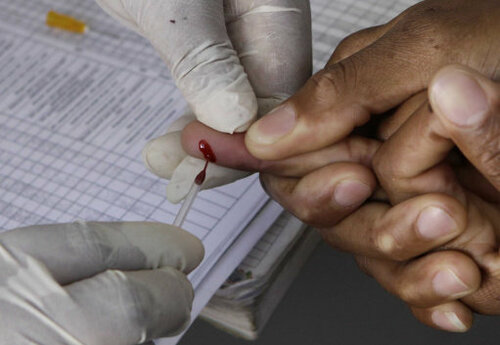
#TRUE BLOOD Medical research has made some exciting advances this year with blood test being developed that might test for the risk of both Alzheimer’s and heart attacks much earlier than is now possible. In the case of heart attacks, a test could predict it years in advance, allowing the patient to take preventative steps.

AND… #CUTE BUT USELESS DISCOVERY OF THE YEAR Someone funded scientists in MIT, Princeton and Virginia to crack the mystery of how cats drink milk without spilling a drop on their chin or whiskers. The analysis found that cats curl their tongue in such a way on the surface of the liquid and lap so quickly – at four times per second – that gravity and fluid dynamics stop any spillage.
If you’re REALLY interested, here’s one of the slow-mo videos the scientists studied to reach their conclusion:

To embed this post, copy the code below on your site


 Source:








have your say