We need your help now

Support from readers like you keeps The Journal open.

You are visiting us because we have something you value. Independent, unbiased news that tells the truth. Advertising revenue goes some way to support our mission, but this year it has not been enough.

If you've seen value in our reporting, please contribute what you can, so we can continue to produce accurate and meaningful journalism. For everyone who needs it.


Penneys claims it's making clothes to last - so we put them to the test

From jeans that changed colour to a jumper that bobbled after a handful of wears, a lot of these clothes did not hold up.

“PRIMARK CARES” – OR so the labels have told us.

Shoppers who have visited a branch of Penneys in recent years may have noticed that the company – synonymous in Ireland with cheap and popular clothes – has attempted to position itself as just as planet-friendly as more upmarket options.

From “recycled polyester” to “sustainable cotton”, it has used labels and in-store signage to send a message to any environmentally conscious consumers feeling a twinge of anxiety about what may be behind price tags as low as €3.50 for a t-shirt.

Earlier this year, there was even a large second-hand section inside the front door of its flagship store on Dublin’s Mary Street – but perhaps tellingly, the “pre-loved” clothes on these rails were not from Penneys originally (unlike most Irish charity shops, where the brand proliferates to the point that many donated Penneys garments never make it to the shop floor, to avoid overload).

Are Penneys clothes really designed to last? 

“Designed to last” was, in fact, the promise the company made in its Primark Cares sustainability strategy, launched with some fanfare in 2021, with TV star Laura Whitmore engaged for a time as a Primark Cares “brand ambassador”. The company has also commissioned research it says proves price cannot accurately predict how well clothes will wear.

We decided to put some garments to the test.

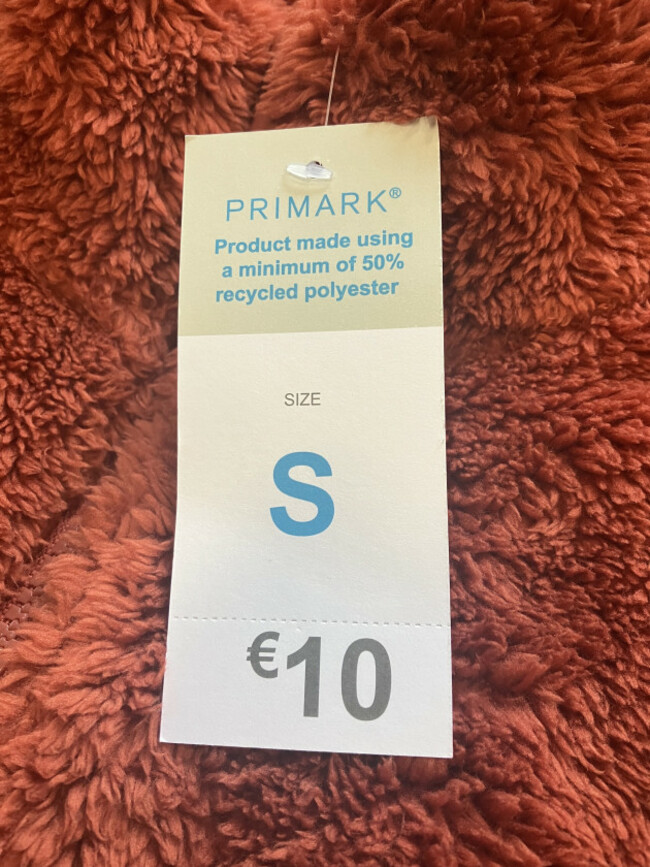
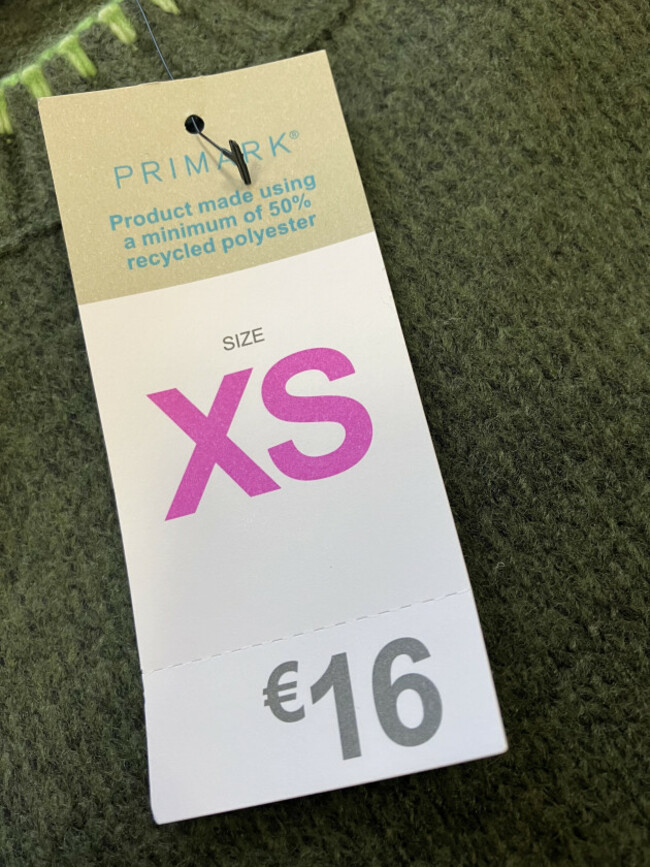
IMG_7071 A label promoting 50% recycled polyester in a €10 fleece jumper. The Journal The Journal

Investigations like this don’t happen without your support… Impactful investigative reporting is powered by people like you.

Primark’s pledges

Primark had promised to strengthen the durability of its clothes by 2025 and to make garments “recyclable by design” by 2027. By 2030, all clothes will be made from recycled “or more sustainably sourced” materials.

The 2021 Primark Cares strategy was fairly light on detail as to what these promises might mean in practice, but the company went on to work with sustainability NGOs to draft more specific standards on extending and assessing garments’ lifespan and on garment recyclability.

(And in fairness to Primark, some of its competitors are doing a lot less when it comes to setting a public environment strategy to which they can be held to account – we’re looking at you, Dunnes Stores).

In particular, Primark established a wash test, whereby clothes should still be in good condition after being washed a minimum of five times, but ideally 23, 32 or even 45 times. The criteria clothes are checked against include shrinkage, bobbling, colour-fastness and opening or twisting of seams.

Primark told The Journal Investigates this is an “industry first”: it had to go it alone because there’s no agreed standard for measuring clothing durability. A third-party “lab” now tests all its garments to the aspirational level of 45 washes – which it says is well above the industry norm of five washes – to help it understand how its products perform.

So how did the clothes hold up? 

The Journal / YouTube

The Journal Investigates washed a basket of new Penneys clothes five times as per their care label instructions or on a gentler washing machine setting.

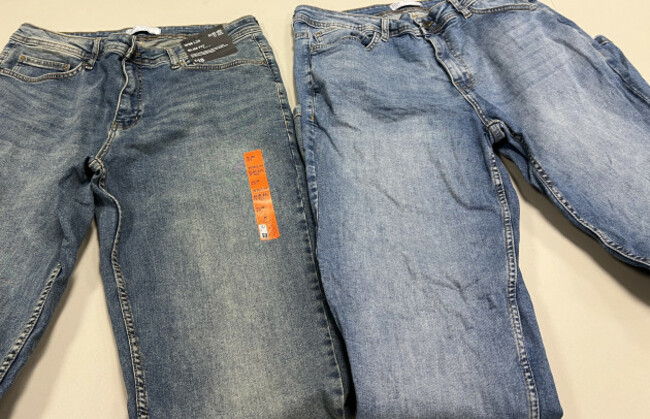
The results weren’t great for a pair of €18 men’s jeans we washed five times at 30 degrees. These jeans completely changed colour, with the original brown-tinged stonewash fading to white.

edit Men's jeans SIDE BY SIDE 3 These €18 men's jeans (new on left, washed on right) did not retain their original colour. The Journal The Journal

However, with no metal rivets and with cotton used inside the pockets, these jeans include some of the design elements Primark hopes will improve recyclability. And these jeans were made with 20% organic cotton, which is cotton grown without chemical fertilisers and pesticides.

Responding to The Journal Investigates following the wash experiment, Primark said: “In key categories like denim and jersey, our products perform well against our durability criteria. However, it’s an ongoing process and we know there is more to be done so we value feedback in areas we need to do better. We will continue to identify, understand and implement areas for improvement.”

We also tried out wearing a new cardigan for five days without washing, to figure out if washing is really the best metric by which to measure durability.

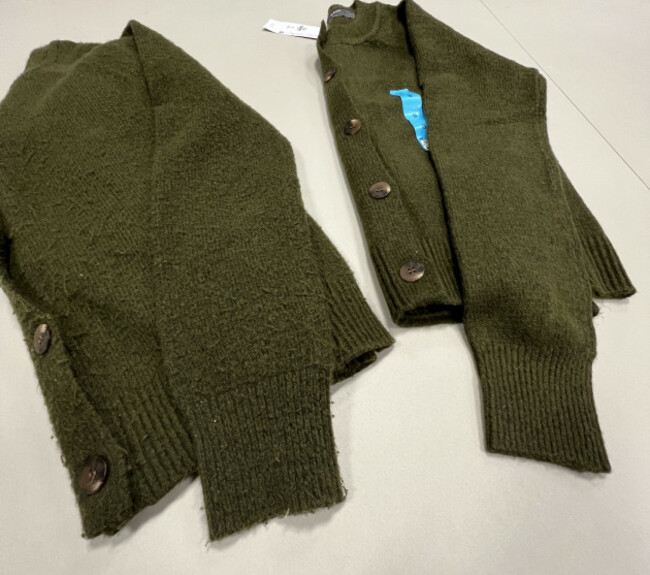
edit Green cardigans SIDE BY SIDE 2 A €16 Penneys cardigan was very bobbly after five days' wear (left). New, unworn cardigan on right. The Journal The Journal

This €16 cardigan -  made from a fully synthetic polyester-acrylic-polyamide mix typical of Primark knitwear – was in a sorry state after just five days of wear, as it was already extremely bobbly, as can be seen in the picture.

This indicates more than washing needs to be considered by any fashion brands that want to assess their garments’ durability.

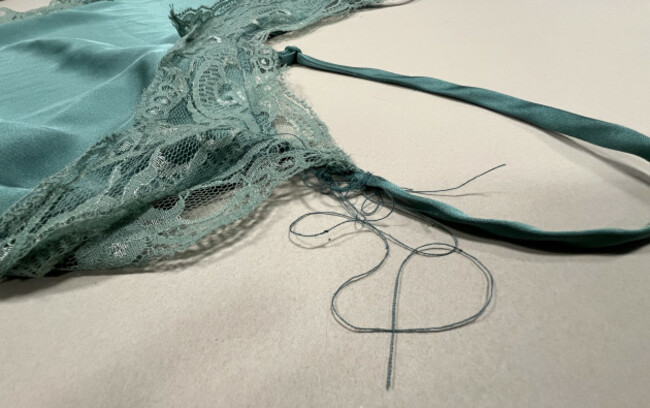
A 100% polyester women’s going-out top, sold for €16, held its shape and colour in the wash but threads came loose.

edit satin top after Threads came loose from this €16 satin top when it was washed. The Journal The Journal

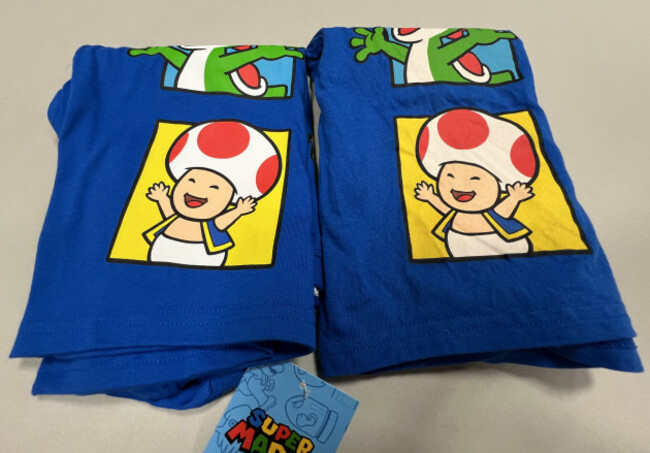
A €4 kids’ cotton t-shirt with a Super Mario printed coating lost about 1cm to shrinkage and the vibrancy of the colours of both the fabric and the print coating faded. (A certain amount of shrinkage is to be expected with cotton, and almost all the cotton and cotton-blend items we tested shrank to some extent.)

edit Child t-shirt SIDE BY SIDE A €4 child's t-shirt before (left) and after washing. The colour of the fabric and print faded in the wash. The Journal The Journal

Penneys, Dunnes and other high street retailers use coatings of this type for an increasing number of brand link-ups with popular TV shows such as Bluey, Pokémon and Stranger Things, and video games such as Minecraft. Branded t-shirts, tracksuits and other clothes of this type are typically sold at a markup.

These coatings are a contaminant that’s likely to inhibit the recyclability of clothes and, as well as not washing well, they shouldn’t be tumble-dried. The coatings have a tendency to crack.

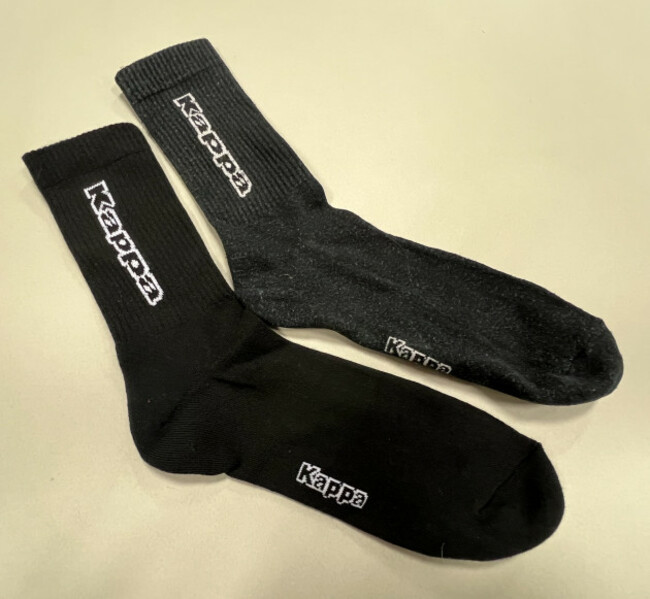
Some men’s cotton-synthetic-blend socks from Primark’s ongoing collaboration with sports brand Kappa became very faded and bobbly in the wash, although the fabric still felt the same. Kids’ cotton-polyester socks shrank considerably.

edit Men's socks SIDE BY SIDE Men's socks before (left) and after washing. The Journal The Journal

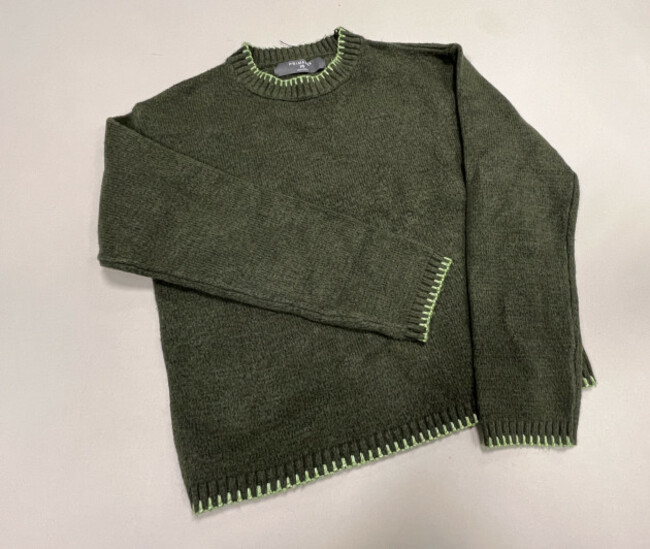
Some other garments held up really well in our five-wash test. A €16 women’s knitted jumper made from synthetic material held its colour and shape after five washes on a delicate cycle – and indeed washing on a delicate cycle or at a lower temperature is likely to be a good strategy to help clothes last longer.

Jumper after The €16 women's knitted jumper which held its colour and shape after five washes

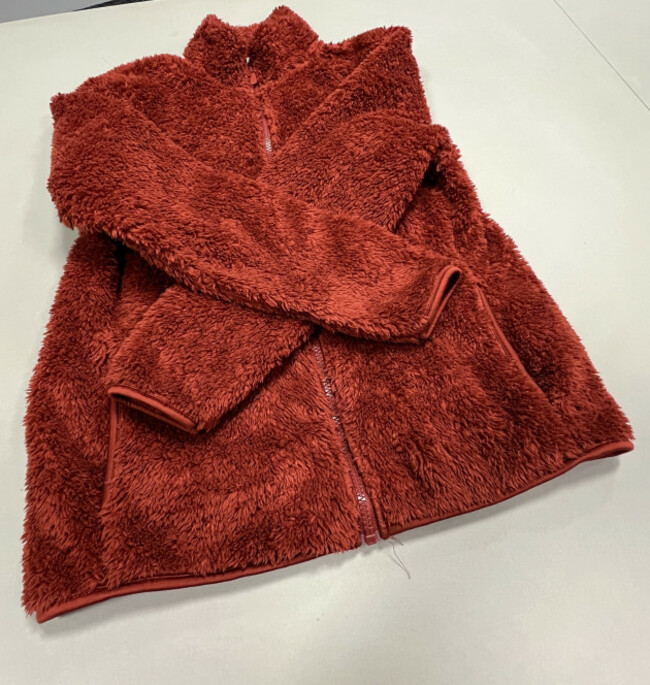
A women’s €10 polyester fleece ended up with one loose thread but held its colour and shape. We washed it in a bag for catching fibres and it didn’t shed (synthetic textiles are a a huge source of microplastic pollution in the ocean).

fleece jumper after (1) A women's €10 polyester fleece held its colour and shape.

A €3.50 men’s cotton t-shirt shrank but held its green colour. The colour of the t-shirt’s print changed from white to beige, but it still looked fine.

Plastic clothes

And what of Primark’s other pledges on clothes designed to last – on recyclability and more sustainable materials?

Gwen Cunningham, sustainability lead at the National College of Art and Design (NCAD), said that when it comes to making clothes recyclable, “mono-materials” – 90-100% cotton, for example, as opposed to a more complicated blend – should be the go-to. 

Blended fabrics are all but unrecyclable with current technology, agreed Ursa Trunk, a campaigner with the environmental NGO Changing Markets.

Globally, less than 1% of old clothes are recycled to make new garments, and blending fibres is basically a “one way ticket to landfill”, Trunk said.

That means a garment such as the polyester-acrylic-polyamide cardigan we tested will not be recycled if the owner sends it to the clothes bank at the end of its useful life – and given how bobbly it became after just a few wears, this item is highly unlikely to be sold second-hand either.

The basket of goods used for our experiment was representative of Primark’s wider stock, which contains vast amounts of blended fabrics. 

However, there’s a tricky toss-up for designers and consumers to consider between durability and recyclability, Cunningham added. Blends often wear and wash better – for example, they are less likely to shrink.

As for the sustainability of the materials themselves, Trunk cautioned that consumers need to be wise to what polyester is: a form of plastic, and a fossil fuel-based material.

She added that consumers also need to be wary about recycled polyester, which may sound sustainable but really isn’t. Even the European Commission has raised concerns about the accuracy of green claims about recycled polyester fabrics.

Several of the garments we tested contained recycled polyester – and had prominent labels drawing consumers’ attention to this. 

IMG_7075 Made using a minimum of 50% recycled polyester - but maybe not as green as it seems. The Journal The Journal

The problem is that the vast majority of recycled polyester is made from plastic bottles, not old clothes, Trunk explained. If the same material was reused for more plastic bottles, it could be recycled again – but as clothes, it’s ultimately destined for landfill or incineration.

Primark is not alone in using recycled polyester as part of a shift in material choice – Adidas, Puma and H&M are among the companies employing the same strategy as they try to position themselves as more sustainable.

Primark also promotes the fact that many of its garments are made with at least some cotton from its Sustainable Cotton Project – or Cotton Project, as it had to rename it last year. The earlier usage of the word “sustainable” fell foul of new UK rules on environmental claims. 

Primark told us that nothing about the programme changed with the name. It said the scheme trains and supports cotton farmers to boost output and to use less water, chemical fertiliser and pesticides. It said it has trained over 300,000 farmers to date.

Consumers’ responsibility

Durability isn’t just about a garment’s physical characteristics, said Gwen Cunningham from NCAD. Designers must think about whether a garment is likely to be remain desirable and useful over time – and consumers need to think about this too.

Cunningham said buying “second-hand first” is always the best thing consumers can do, but when we buy new, we should ask ourselves whether the garment will really work for us.

The questions we can ask ourselves include: how am I going to wear this, when am I going to wear this, and how versatile, timeless and useful is this garment going to be for me?

Primark said it hopes its work on durability will help to shape future EU legislation in this area. It also wants to see collaboration across the industry and said it’s working with others.

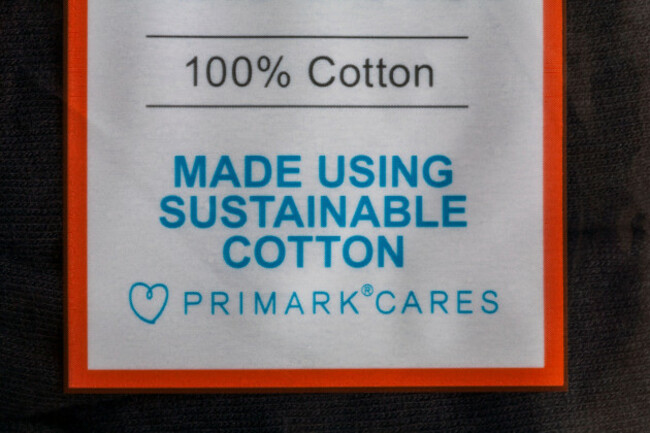
primark-cares-made-using-sustainable-cotton-label-on-pack-of-100-cotton-black-knickers-from-primark A Primark Cares label proclaiming the use of sustainable cotton, in 2022. Alamy Stock Photo Alamy Stock Photo

It has stopped using the Primark Cares labels it used to put on clothes that used a minimum amount of “recycled or more sustainably sourced materials”, on the basis that it wants this to be the norm.

With over €10bn in sales last year across 17 countries, any improvements in sustainability this retail giant can achieve will have a significant impact.

In the final analysis though, Primark just wants to sell us more clothes – and the reality is that the most sustainable clothes are always going to be the ones we already have in our wardrobes.

The Journal Investigates

Reporter: Valerie Flynn • Additional reporting: Kira Schacht of DW • Editor: Noel Baker • Social Media and Video: Cliodhna Travers • Video: Nicky Ryan • Main Image Design: Lorcan O’Reilly

This story is part of a collaborative project among several media outlets in the European Data Journalism Network in context of Chat Europe. Project lead: DW. Contributing partners: El Orden Mundial, FACTA, The Journal Investigates and Voxeurop.

For data and methodology behind the project’s analysis, see this GitHub repository

Investigations like this don’t happen without your support...
Impactful investigative reporting is powered by people like you. Over 5,000 readers have already supported our mission with a monthly or one-off payment. Join them here:

Close
48 Comments
This is YOUR comments community. Stay civil, stay constructive, stay on topic. Please familiarise yourself with our comments policy here before taking part.
Leave a Comment
    Submit a report
    Please help us understand how this comment violates our community guidelines.
    Thank you for the feedback
    Your feedback has been sent to our team for review.

    Leave a commentcancel

     
    JournalTv
    News in 60 seconds