Sign in. It’s quick, free and it’s up to you.
An account is an optional way to support the work we do. Find out more.
Sign in. It’s quick, free and it’s up to you.
An account is an optional way to support the work we do. Find out more.
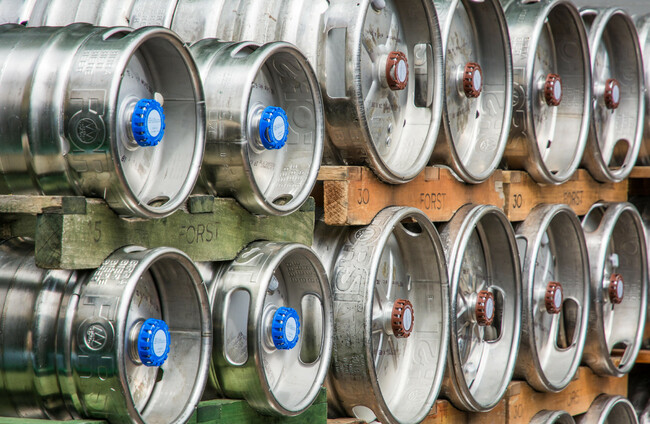
IRISH BREWERS AND distillers are looking to be nimble to navigate the potentially devastating tariffs coming from the US.
Pivoting to Asia and licencing recipes to US brewers are tricks already in operation but are likely to be ramped up in the coming years.
Allied to this, the industry is also calling on the government’s assistance in convincing the EU not to make the alcohol industry one front in the trade war.
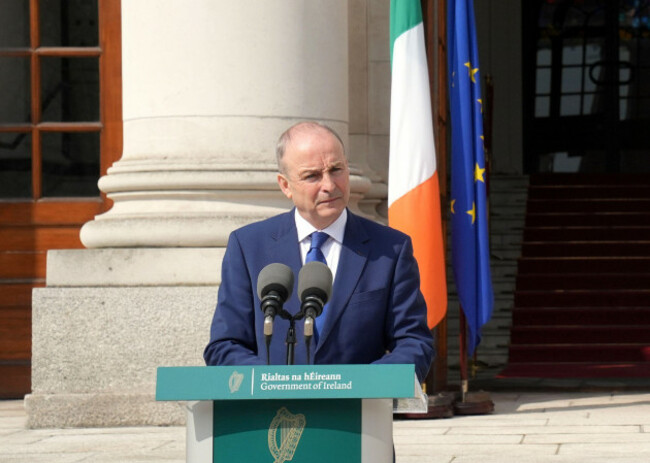
Taoiseach Micheál Martin said yesterday that the EU should shifts its focus away from issuing countermeasures on alcohol to Donald Trump’s tariffs, as a large number of European producers enjoy a substantial trade deficit with the US.
The Irish Independent reported yesterday that government is lobbying the EU to ease its expected response to the US President’s global tariffs so that it does not impact Ireland’s lucrative alcohol and food industries.
If the EU are to slap additional duties on American whiskeys, as was done in 2018, Trump and the White House may respond with potentially drastic tariffs on Irish whiskey, beer and spirit distillers, it is feared.
Speaking on RTÉ Radio One’s Morning Ireland yesterday, the Taoiseach suggested that Irish distillers and brewers enjoy a three-to-one ratio trade deficit with the US – particularly for whiskey and other spirits.
Certain requirements are placed on Irish alcohol, notably whiskey, the most obvious among them being that the brewing, distilling, aging and the production process starts and ends in Ireland.
According to Statista, Jameson Irish Whiskey recorded volume sales of about 3.9 million nine-litre cases in the US in 2023. Business news mag Robb Report said that Irish whiskey saw a 13% growth in the US last year, despite the overall market softening.
The Irish Whiskey Association said that new tariffs could bring “devastating impacts” to the entire Irish drinks sector operating in the US. The US represents 41% of Irish alcohol exports every year, with an estimated value of €865m, it said.
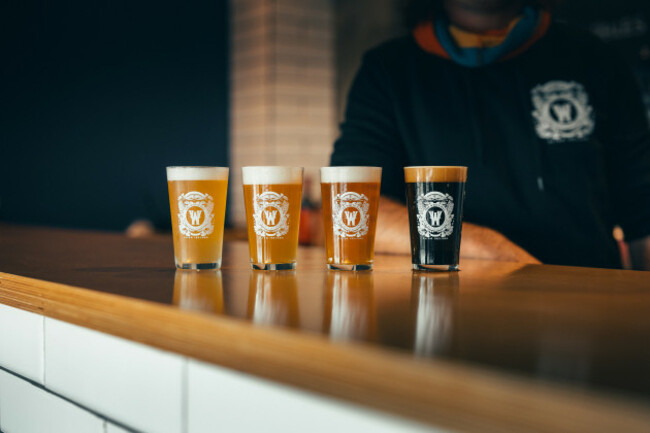
Speaking to The Journal, Bob Coggins, co-founder of independent brewery in Co Sligo, The White Hag, said it is his opinion that the tariffs are going to happen but that businesses will move quicker than government.
He said that many, particularly in the spirits’ industry, are now looking east – to markets in Asia and Oceania – to build stronger relationships in the wake of Trump’s tariffs, using products once earmarked for the US.
Clonakilty Distilleries, in Co Cork, said this week that they are seeking to pivot to other markets in China, Japan and South Korea should exporting costs and tariffs begin to massively impact their whiskey sales.
This process is not easy, Coggins said, due to logistical barriers. But, he suggested that Irish businesses may be welcomed in those markets, comparing the situation to when European importers favoured Irish products after Brexit.
“This is the same thing as Brexit,” Coggins said. “It’s similar to Brexit, we’ve a similar challenge, and the Irish government responded better to Brexit – better than Britain did itself.”
He added: “That helped us grow our export markets in other territories and negate any impacts – not all of them, we had 22% of our business in Britain and we had to navigate very choppy waters for a while – but we did it and we’re still alive and growing.”
Coggins, whose business began trading in the US again in January, said the government has a “job to do” and suggested that ministers could focus more on how to help businesses navigate shocks, rather than lobbying to prevent them.
Over the last 12 months, Coggins said, The White Hag has been developing a strategy whereby they licenced their recipes to commercial brewers based in the US – meaning it avoids additional tariffs or exporting duties and has access to the American market.
Tariffs will still have some impact on the business, he added, as there will be higher exporting costs for shipping high-end products, such as barley wines, to the US. But the company believes price increases abroad will be justified, given the nature of the product.

To embed this post, copy the code below on your site













have your say