Sign in. It’s quick, free and it’s up to you.
An account is an optional way to support the work we do. Find out more.
Sign in. It’s quick, free and it’s up to you.
An account is an optional way to support the work we do. Find out more.
We’re surrounded by farmers here and only some of them know what we are doing … we don’t broadcast it too much because they would probably lock you up.”
WHEN PICTURING A winery, the first images to come to mind might be a French château or a sun-kissed Australian valley. Something a long way from a sodden Irish field.
Yet a handful of ambitious – maybe foolhardy – producers are trying their hand at making the nectar of the Gods in a land renowned for pints of the black stuff.
David Llewellyn, probably best known for his cider and other apple products, has been selling wine made from the nearly 1,000 vines on his farm at Lusk in north County Dublin for the past decade.
“That’s tiny in vineyard terms … but I have got to the stage where I feel I am making pretty good red wine,” he told TheJournal.ie.
I’ve been selling wines since 2005 and since then only a few years would have been missed; some years I wouldn’t have had a crop or I wasn’t happy enough to sell it.”
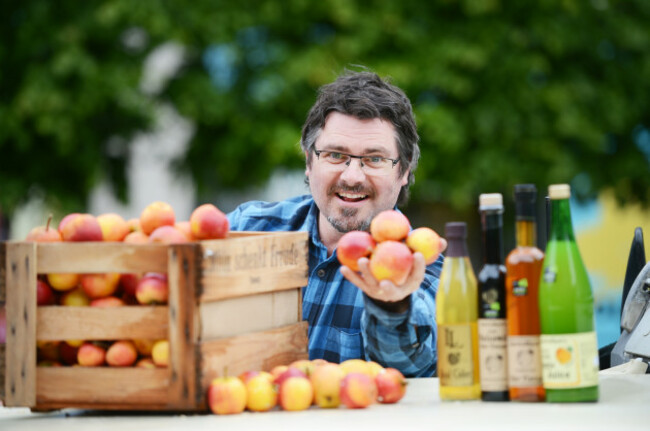
It is a modest assessment from the man behind the only vineyard consistently producing commercial batches of Irish wine on the local market.
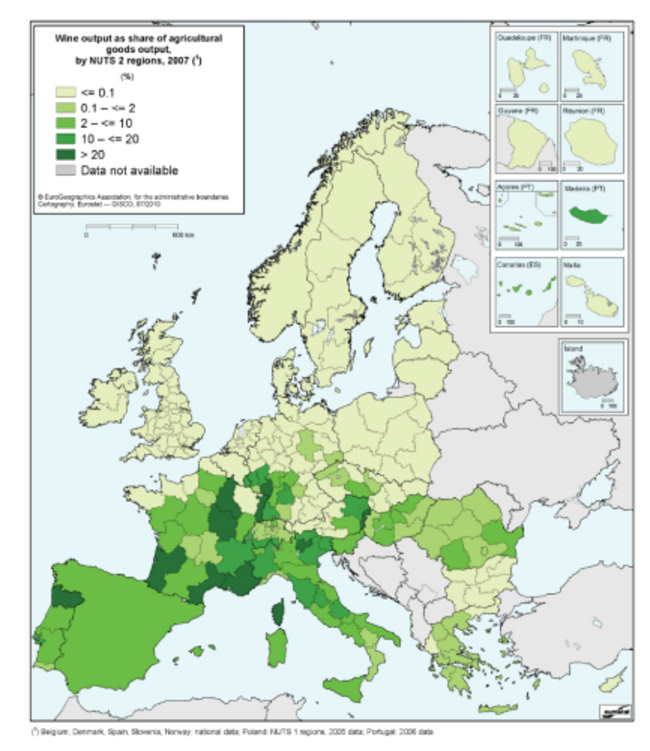
Ireland is, believe it or not, classified under the EU’s official wine-growing regions, joining much of Germany, as well as the UK and other northern European countries in a cold-climate zone.
However according to the Department of Agriculture, which doesn’t regulate vineyards because of the small scale of production in the country, Llewellyn is the only known commercial winemaker in the country.
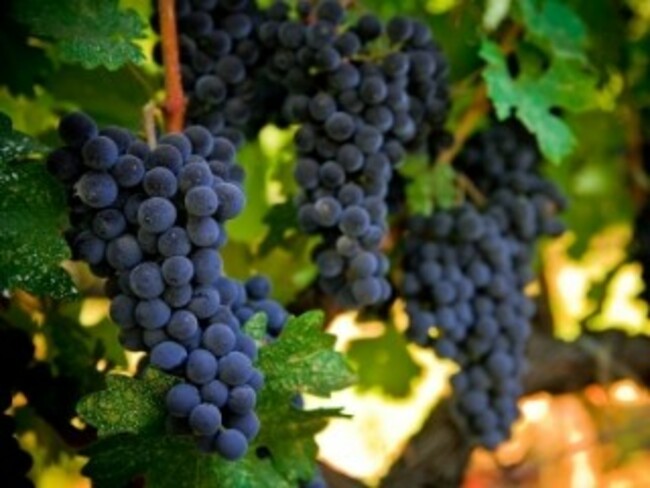
The trained horticulturist, who said he learned the trade from working on other vineyards and trial and error, grows mostly cabernet sauvignon, merlot and rondo grapes on about half an acre of land.
An unfriendly climate
It is the last variety, a hardy, dark-skinned grape, that has proven the most suitable to Ireland’s unfriendly climate, growing outdoors without protection despite the dearth of sunshine during the essential ripening season.
“Producing in Ireland, there are so many disadvantages compared to an established wine-growing region,” Llewellyn said.
“You’ve got the weather to deal with, you’ve got lower yields so therefore you’ve got a very small scale.
Also, there are the disadvantages of having no supporting industry and there’s no body of expertise and advice to fall back on when you are setting up. You’re paddling your own canoe and making your own mistakes.”
Llewellyn admitted his Lusca wine, of which he produced about 500 litres each year and sold for €45 per bottle in specialist Dublin outlets, was “pretty expensive by normal comparisons”.
But people buy it, they taste it and they like it. I think the main thing for most people is novelty value, curiosity value.”
Southern exposure
Meanwhile in the south, there is what appears to be Ireland’s longest-standing and most-mysterious winemaker – apparently flying under the radar of even agriculture officials.
The Thomas Walk Vineyard near Kinsale in Cork is probably the largest on the island, according to its namesake founder.
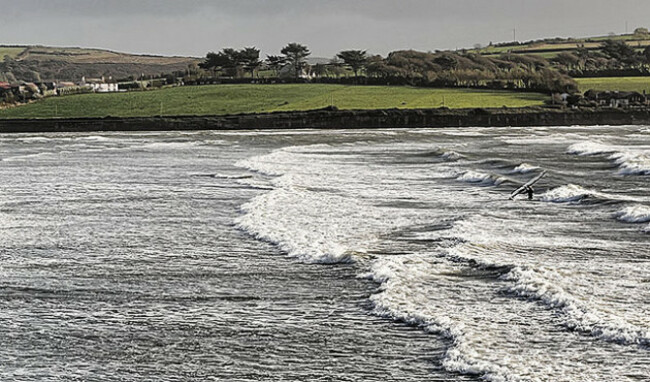
German native Walk said he had been cultivating vines in the region since the mid-1980s and he was the first to successfully grow red grapes outdoors in the cold climate.
“I always like to do things which are unusual and making red wine in Ireland is very unusual – and it is even more unusual to do it successfully,” he said.
Walk, who is keen to keep his winery private from prying eyes for now, said he was growing up to three acres of grapes also using the rondo variety – although he was tight-lipped about how much of the end product he was actually making.
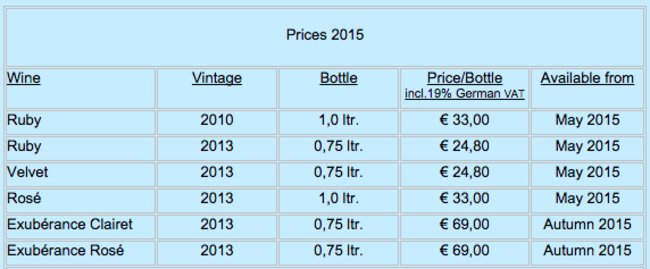
The winery’s website lists 2010 and 2013 vintages “spoiled by the southern sun of Kinsale” starting from about €25 per bottle with all the transactions done via Germany.
A chequered history
Others winemakers have come and gone in various parts of the island from as early as the 1960s.
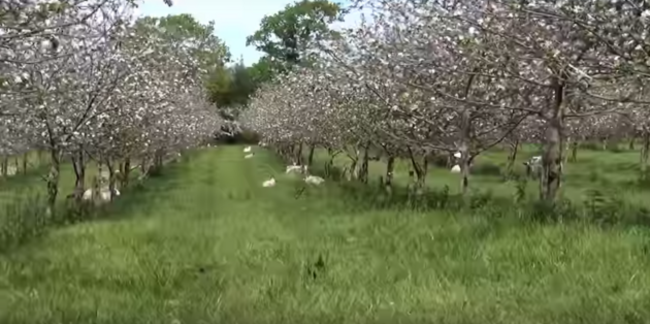
According to Stephen Skelton’s UK Vineyards Guide, which includes an appendix on Ireland, Michael O’Callaghan had a crop at Longueville House in Cork’s Blackwater Valley from the early 1970s.
While the vineyard at one stage covered more than two acres, it was abandoned about five years ago and replaced with further orchards after he died.
Nearby, Mallow GP Billy Christopher started planting vines at his Blackwater Valley Vineyard in the mid-80s and produced wine through to 2006 – when the project was scrapped.
He told the author he had “20 years of fun” with the winery, but the inconsistent harvests meant the risk and reward were too far out of whack to make a vineyard worthwhile.
And Skelton, one of the UK’s top authorities on vineyards, was blunt in his assessment of the future prospects for any Irish winemakers.
“You just don’t have the sunshine and you don’t have the climate – although I would love to be proved wrong,” he told TheJournal.ie.
It has been tried and it hasn’t worked. There are grape varieties that no doubt will grow in very, very cool climates, but they make rubbish wine.”
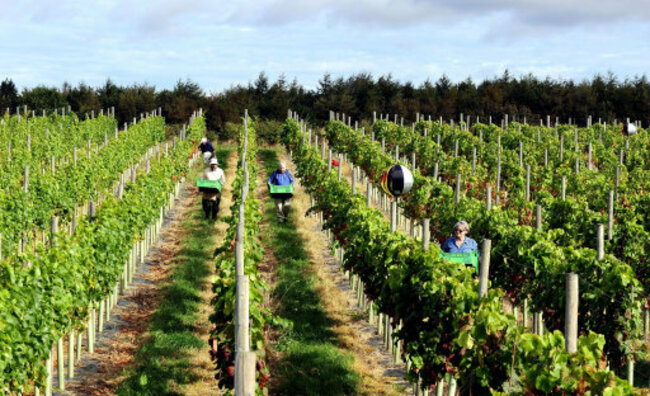
Even in England and Wales, where warmer summers have enabled about 500 winemakers to set up and locally-made sparkling wines have been getting international recognition, there were questions over whether it was a sustainable pursuit.
“It’s not just a matter of finding a grape variety that will produce a fruit, you also need to make a wine that you don’t have to charge a price for that’s too high for what the quality is worth,” Skelton said.
‘Romantic’
But the challenge hasn’t deterred new winemakers from trying where others have given up.
Since 2011, David Dennison, who runs a wine-importation business and also grows crops like raspberries and blackcurrants, has been planting grapes at his property in Waterford and now has about 2,000 vines of rondo, pinot noir and several white varieties spanning about two acres.
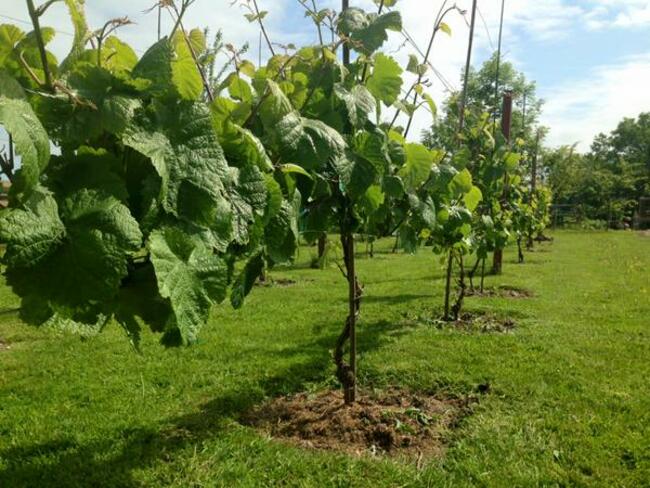
He expects to make 500 bottles as an “experimental batch” – mostly rondo-based reds – this year and believes there is “huge potential” for selling wines from the southeast after visiting vineyards in the UK.
“We’re surrounded by farmers here and only some of them know what we are doing … we don’t broadcast it too much because they would probably lock you up,” he said.
In realistic terms it’s peripheral, but then you look at other crops that we grow in this country and you would wonder sometimes if they’re peripheral as well.”
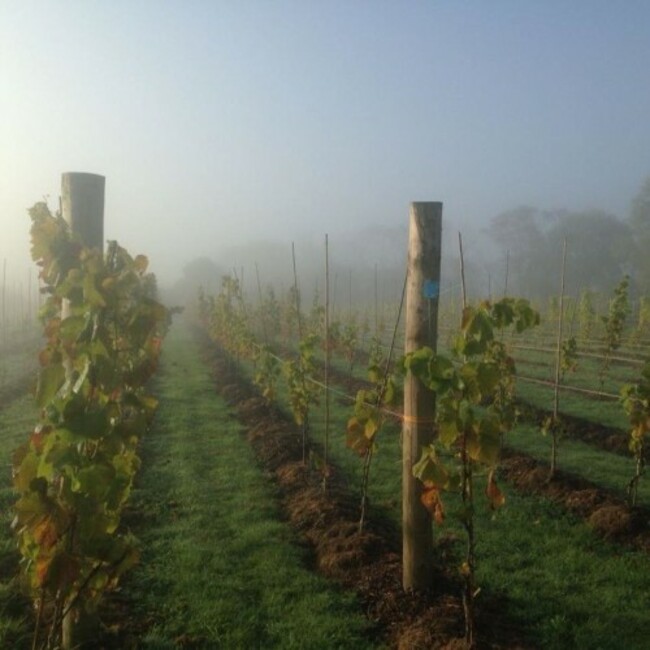
Dennison said he believed successful commercial vineyards were possible in Ireland with the right grapes and growing techniques.
“Is it romantic? If you can sit down and drink a bottle of your own wine it’s romantic, but it’s a tough crop.”
This month, as part of TheJournal.ie’s ongoing startup and small and medium enterprise (SME) focus, we are looking at the drinks industry.
To view other stories from our collection, click here.

To embed this post, copy the code below on your site














have your say