Sign in. It’s quick, free and it’s up to you.
An account is an optional way to support the work we do. Find out more.
Sign in. It’s quick, free and it’s up to you.
An account is an optional way to support the work we do. Find out more.
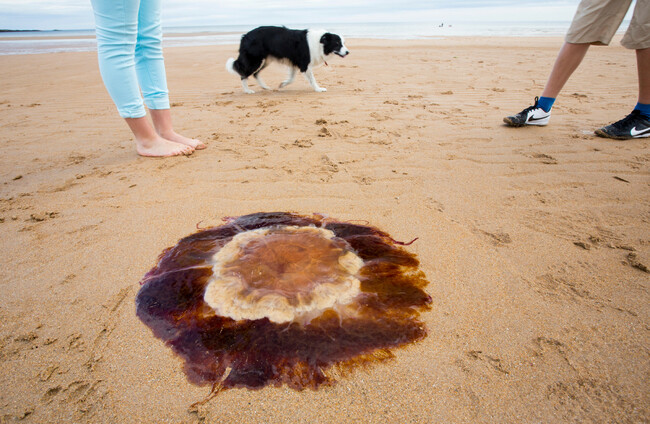
AS THOUSANDS FLOCK to beaches across the country chasing the last of the summer heat, a new, slippery visitor has been spotted in the waters, and local authorities are warning swimmers to keep their distance.
Lion’s Mane jellyfish have been seen along the shore in Dublin, Donegal, and a number of western counties in recent weeks, prompting local councils to issue warnings.
Fingal County Council has urged beachgoers to stay alert, noting that the stinging animals may turn up at other beaches in the coming weeks.
Conditions at this time of year are perfect for these jellyfish, and from mid-August through the second week of September, a “noticeable increase” in their numbers is expected both in the water and washed up on shore.
Lion’s Mane jellyfish are usually around 40cm long, but some have been known to stretch up to 200cm, with tentacles that trail like delicate, venomous ribbons.
Their sting is no joke, causing nausea, sweating, cramps, and headaches. Beachgoers are being urged to stay extra vigilant wherever these jellyfish appear.
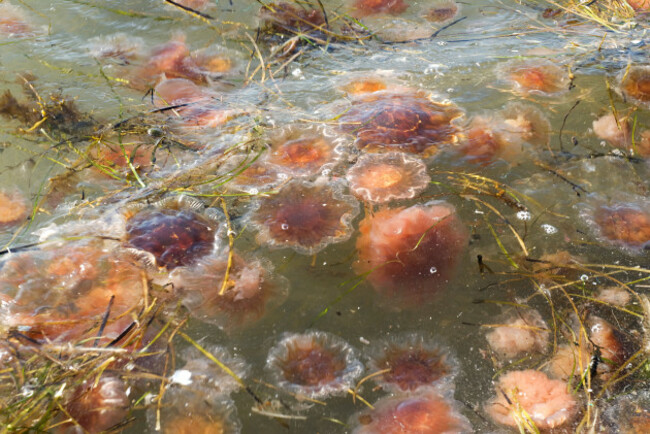
Paul McGowan, marketing executive at Water Safety Ireland, explained that these jellyfish are a common summer sight in Irish waters.
“Their sting is a good bit worse than other jellyfish you might encounter,” he said.
“It’s very painful,” McGowan added, but he clarified that “in 99% of cases, it doesn’t require a hospital visit.”
Even jellyfish that appear dead can be dangerous, McGowan warned, as their venom can remain active in the tentacles for several days.
“With so many long trailing tentacles there is a chance you could still get stung, even when you try not to swim near them. Fragments of tentacles floating in the water can still sting,” he said.
Swimmers are encouraged to scan the water before taking the plunge and keep an eye out for these luminous, ghostly creatures drifting just below the surface.
And if you’re stung, forget the infamous remedy myth.“Peeing on the affected area does not work,” McGowan said.
“Instead, apply an ice pack to the affected area and notify a lifeguard if one is nearby.”

To embed this post, copy the code below on your site













have your say